



Beyond the Usual Hill Station Rush
For decades, a trip to Himachal Pradesh meant a predictable itinerary: Shimla's Mall Road, the busy streets of Manali, or the Dalai Lama Temple in McLeod Ganj. While these destinations hold timeless appeal, a significant shift is underway. Travellers,
particularly from metropolitan India, are actively seeking alternatives. The digital footprint tells the story: search queries for terms like 'remote homestays in Himachal,' 'work from mountains,' and 'Tirthan Valley stays' have seen a dramatic uptick. This isn't just about avoiding crowds; it represents a fundamental change in what people want from a vacation. The post-pandemic traveller is less interested in a checklist of sights and more focused on immersive, restorative, and meaningful experiences.
The 'Work from Mountains' Phenomenon
A key driver of this trend is the widespread adoption of remote and flexible work. The 'workation' is no longer a niche concept for freelancers; it’s a mainstream reality for corporate employees who can trade their city apartment for a month-long stint in a mountain cottage. These long-stay travellers are not looking for luxury hotels. Instead, they desire a comfortable, quiet space with a reliable internet connection and a sense of community. This has fuelled demand for homestays and guesthouses in previously overlooked villages, where hosts offer not just a room, but a glimpse into the local way of life. The dream of waking up to a mountain view, putting in a productive workday, and spending the evening by a bonfire is proving to be a powerful antidote to urban burnout.
What Defines a Community Stay?
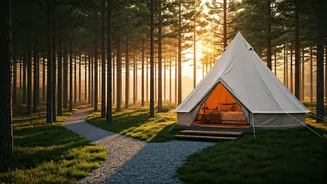
The term 'community stay' is more than just a marketing buzzword. Unlike a conventional hotel, which can often feel isolating, these stays are deeply integrated into the local fabric. This could mean a family-run homestay where you share meals with your hosts, a farm stay where you can learn about organic apple cultivation, or an eco-lodge built using sustainable materials and employing local staff. The emphasis is on connection—with nature, with the local culture, and with fellow travellers who share a similar mindset. These stays often promote a slower pace of life. The luxury here isn’t a swimming pool or a spa; it’s the fresh air, the home-cooked food, the silence, and the opportunity to disconnect from the digital noise and reconnect with yourself.
Exploring the Uncharted Territories
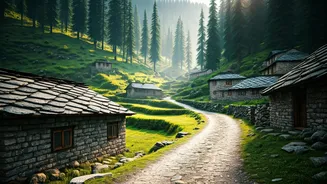
This search for authenticity is pushing the tourist map of Himachal into new territories. While places like Kasol and Tosh were once considered 'offbeat,' they are now firmly on the mainstream circuit. The new wave of travellers is venturing deeper. Valleys like Tirthan and Sainj, once known only to avid trekkers, are now popular for their riverside homestays. The stark, breathtaking landscapes of Spiti Valley and the serene villages around Palampur and Bir are attracting those looking for peace and spiritual rejuvenation. The focus is less on a specific pin on the map and more on the type of experience: living in a traditional Kath-Kuni house, learning a local craft, or simply spending days reading a book with the Himalayas as your backdrop.
A Note on Responsible Travel
While this trend is a wonderful opportunity for local economies, it comes with a significant responsibility. The fragile ecosystems and unique cultures of these remote communities are their greatest assets. The influx of tourists, if not managed sustainably, can lead to the very problems they are trying to escape: overcrowding, pollution, and the erosion of local culture. As travellers, it's crucial to be mindful. This means choosing genuine homestays over illegal constructions, respecting local customs, managing your waste properly, and understanding that amenities like 24/7 electricity or high-speed internet may not always be available. The goal should be to leave these places as beautiful and pristine as we found them.