




The Science of Ripening
To understand where to store your fruit, it helps to know a little about how it ripens. Some fruits, known as 'climacteric' fruits, continue to ripen after they are picked. They do this by producing a natural, odourless gas called ethylene. Bananas, avocados,
mangoes, and stone fruits like peaches and plums fall into this category. For these, the countertop is your friend. Refrigerating them too early halts the ripening process, leaving you with hard, flavourless fruit. Cold temperatures can cause 'chilling injuries', which result in a mealy texture or mushy insides. Other fruits are 'non-climacteric', meaning they stop ripening the moment they're harvested. Berries, grapes, and citrus fruits are prime examples. For these, the goal is simply to preserve their freshness, making the refrigerator the best place to slow down decay.
Countertop First, Then Fridge
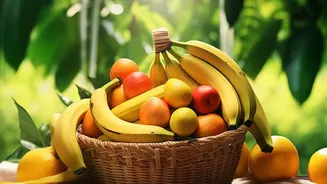
Many of the most popular fruits need some time at room temperature to reach their peak flavour and texture. Think of your fruit bowl as a ripening station. Avocados, bananas, kiwis, mangoes, peaches, pears, and plums should all be left on the counter until they are ripe. You can tell they’re ready when they yield to gentle pressure and have a fragrant aroma. Once they reach this perfect stage, you can move them to the refrigerator to prolong their life for a few more days. A green-tinged banana will sweeten up on the counter, but if you put it in the fridge too soon, the peel may darken while the inside remains starchy. Similarly, a hard peach or pear will soften and become juicy at room temperature, a process that the cold would only stop in its tracks.
Straight to the Refrigerator
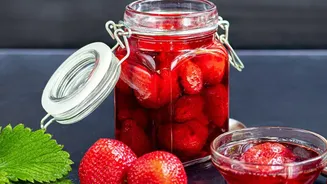
Some fruits are highly perishable and should be refrigerated as soon as you get them home. This category includes most berries, like strawberries, blueberries, and raspberries, which can develop mould quickly at room temperature. Grapes and cherries also benefit from immediate chilling to keep them crisp and prevent them from spoiling. It’s best to store these delicate fruits unwashed in a dry, covered container or a perforated plastic bag in the fridge; washing them too early introduces moisture that can accelerate decay. Wash them just before you plan to eat them. Citrus fruits like oranges, lemons, and grapefruits can last for about a week on the counter, but storing them in the fridge's crisper drawer will extend their shelf life significantly.
The Ethylene Factor: Keep These Fruits Separate
Remember ethylene, the ripening gas? Some fruits are super-producers, and storing them next to ethylene-sensitive produce can cause everything else to spoil much faster. Apples are one of the biggest ethylene producers, along with ripe bananas, pears, and avocados. To prevent your other fruits and vegetables from ripening prematurely, it's wise to store these high-ethylene fruits separately. For instance, keeping apples in their own drawer in the fridge or bananas away from other fruits on the counter can make a big difference. This is why you should avoid storing apples next to leafy greens or strawberries, as the gas will cause them to wilt and rot more quickly.
Special Cases and Pro Tips
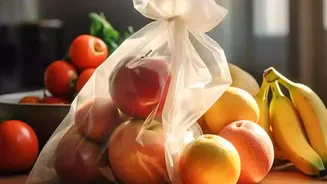
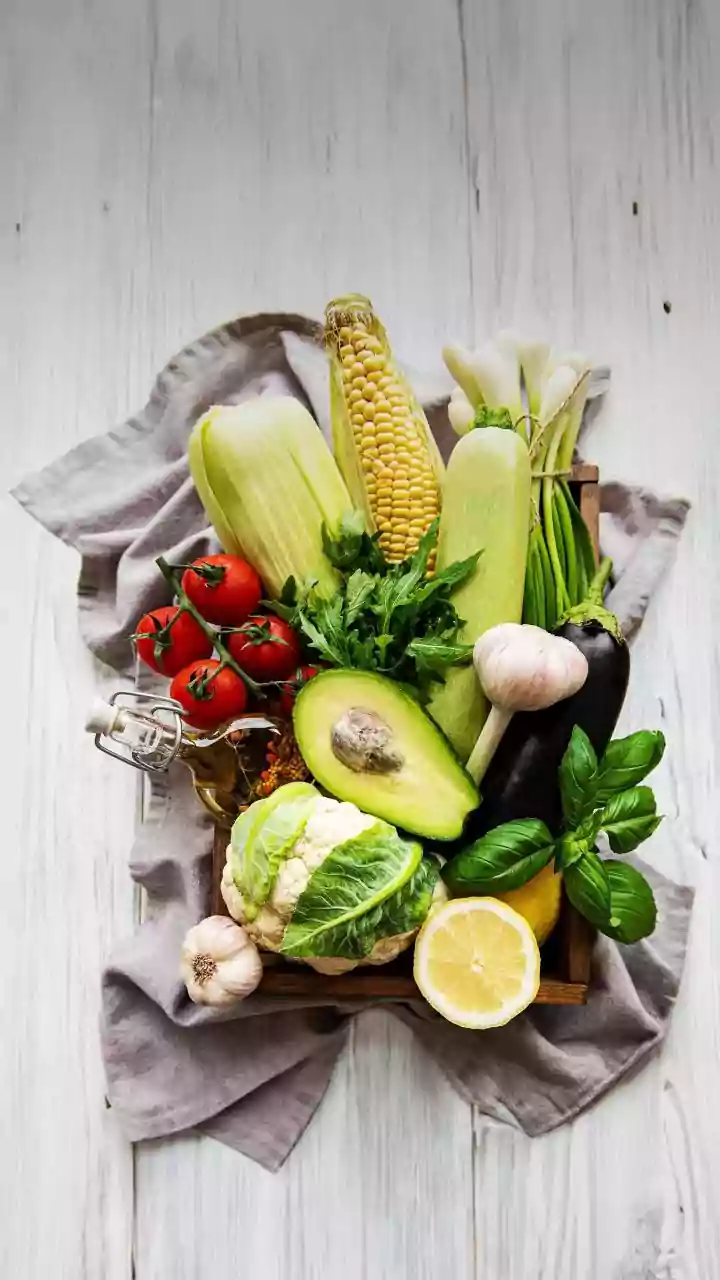
A few fruits have unique storage needs. Whole melons like cantaloupe and honeydew can be kept on the counter, but once cut, they must be refrigerated immediately in a sealed container. The same rule applies to pineapple. Tomatoes, which are technically a fruit, should always be stored at room temperature, as refrigeration destroys their flavour and gives them a mealy texture. Once you've cut any fruit, regardless of its type, it needs to be stored in the refrigerator for safety. If you want to speed up ripening for fruits like avocados or peaches, you can place them in a paper bag on the counter. Adding an apple or a ripe banana to the bag will trap the ethylene gas and accelerate the process even more.