

The Risk of a Hasty Upgrade
Repotting is a significant event for a plant. It involves uprooting it from a familiar environment and disturbing its root system. When done prematurely, this process can induce a state of shock known as transplant shock. This stress response occurs because
the plant's roots, which are crucial for absorbing water and nutrients, are temporarily damaged or disrupted. Symptoms of transplant shock include wilting leaves, yellowing or browning, leaf drop, and stunted growth. Instead of thriving in its new home, the plant must divert its energy toward recovering from the move, which can set back its growth for weeks or even months.
When Is It Actually Time to Repot?
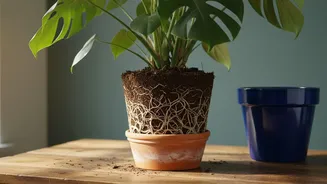
A happy plant shouldn't be disturbed. Instead of repotting on a schedule, look for clear signs that your plant has outgrown its current home. The most obvious indicator is seeing a dense mass of roots growing out of the drainage holes or coiling tightly at the bottom of the pot. Other key signs include the soil drying out extremely quickly after watering, new leaves appearing smaller than previous ones, or the plant's growth slowing down or stopping entirely during the growing season. If the plant is top-heavy and constantly tipping over, it's also a strong clue that the root system needs a more stable base. If you're not seeing at least one of these signs, it's best to wait.
Timing Is Everything: The Best Season for a Move
The best time to repot a houseplant is during its active growing period, which for most plants is in the spring and early summer. During this time, rising temperatures and longer days signal the plant to produce new roots and foliage. Repotting in spring gives the plant the best chance to recover quickly from the stress of the move because it is already in a state of vigorous growth. Repotting during a plant's dormant period, typically autumn and winter, is generally not advised. With its metabolism slowed, a plant will struggle to establish its roots in the new soil, making it more vulnerable to issues like root rot from sitting in damp, cold soil.
How to Repot Without the Shock
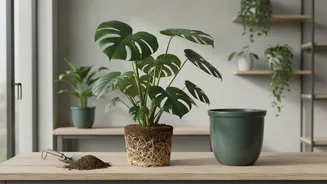
When the signs are clear and the time is right, a few simple steps can minimise stress. First, choose a new pot that is only one to two inches larger in diameter than the current one. A pot that is too large can hold excess moisture, increasing the risk of root rot because the roots can't absorb the water quickly enough. Water your plant a day before repotting to help reduce stress. When you move the plant, handle the root ball as gently as possible. It’s okay to gently loosen compacted or circling roots, but avoid aggressively tearing them apart. Place the plant in its new pot with fresh, appropriate potting mix, ensuring it sits at the same depth as it did in its old pot. After repotting, water it lightly and give it time to acclimate before resuming your normal fertilizing routine.