
The Social Media Filter
A significant part of this phenomenon is rooted in our digital lives. Platforms like Instagram and TikTok have trained our eyes to see the world through a 'cinematic' lens. The popularity of moody, atmospheric urban nature photography, often tagged with
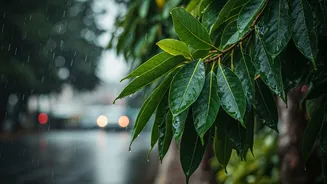
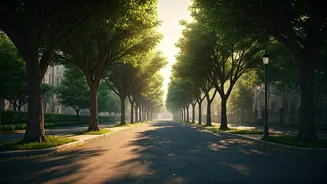
hashtags like #UrbanNature or #CityGreenery, has skyrocketed. These platforms are filled with images that romanticize the everyday: golden hour light filtering through leaves, the stark silhouette of a tree against a concrete wall, or the vibrant green canopy over a quiet street. This visual diet of beautified reality encourages us to look for and create these same picturesque moments in our own lives. We’ve become directors of our own daily experiences, and the humble street tree is often a perfect, willing actor, always ready for its close-up. The aesthetic isn't just about beauty; it’s about storytelling, and we are increasingly telling stories where nature and the city collide in poetic ways.
A Long Cinematic Legacy
Of course, trees have been silent stars in films for decades. They are powerful, versatile tools for visual storytelling. Think of the menacing, gnarled branches in a horror film, creating a sense of dread and entrapment. Contrast that with the sprawling, benevolent trees that shelter picnics in romantic comedies, symbolizing stability and peace. From the rain-soaked streets of film noir, where a single tree might witness a clandestine meeting, to the lush, tree-lined avenues of Paris in a feel-good classic, our cinematic memory is rich with arboreal imagery. This long history has embedded a deep cultural symbolism in our minds. When we see a particularly striking street tree, we are subconsciously tapping into this vast library of film references, which gives the scene an emotional weight and a narrative quality that feels instantly familiar and profound.
The Greening of Our Cities
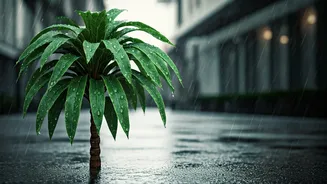
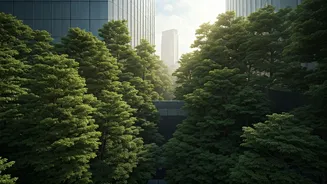
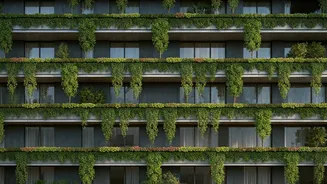
Beyond our screens, there is a tangible change happening on our streets. Cities worldwide are actively pursuing urban greening initiatives, planting more trees than ever before. This push is driven by the many benefits trees provide: they cool our cities, combatting the 'urban heat island' effect; they improve air quality by absorbing pollutants; and they have a proven positive impact on mental and physical health. As a result, our urban landscapes are literally becoming greener and more lush. This increased density and diversity of trees naturally creates more visually compelling streetscapes. Streets that were once barren expanses of concrete and asphalt are now being transformed into green corridors. This physical transformation provides a richer, more textured backdrop for our daily lives, making our environment inherently more aesthetic and, therefore, more cinematic.
The Silent Characters of the Street
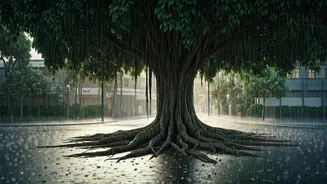
Perhaps what we are truly responding to is the tree as a character in the urban drama. Unlike buildings that can be torn down or storefronts that change overnight, old street trees are symbols of resilience and continuity. They are living history, silent witnesses to the generations that have passed beneath their branches. A gnarled trunk or a uniquely shaped canopy gives a tree a personality, turning it from simple scenery into a neighbourhood landmark. This personification makes them compelling figures in the narrative of a place. They offer a quiet, steady contrast to the fast-paced, transient nature of city life. In their silent, steadfast presence, we find a story of survival and endurance against the odds, a narrative that resonates deeply in our often-chaotic urban world.