








Ditch the Checklist, Embrace Spontaneity
The biggest shift in travelling better is moving away from a rigid, checklist-driven itinerary. While planning is useful, over-scheduling can create stress and remove the possibility of spontaneous joy. Leaving entire afternoons or even full days unplanned
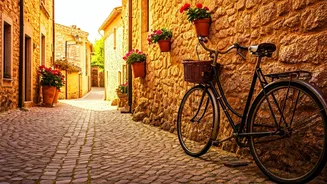
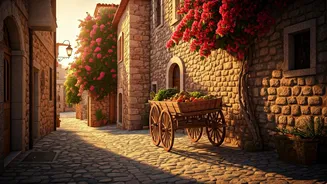
allows for serendipity. You might stumble upon a local festival, get invited for tea, or discover a hidden alleyway that isn't in any guidebook. This flexibility is a luxury, allowing you to explore at your own pace and truly relax. Instead of rushing between attractions, you give yourself permission to linger in a captivating cafe or strike up a conversation with a local artisan, fostering deeper connections.
Go Deeper, Not Wider
Instead of trying to see five different neighbourhoods in a day, choose one and explore it thoroughly. This approach, often called 'slow travel', encourages you to understand the rhythm of a place. Walk the residential streets, visit the local market, find a park bench and simply people-watch. By immersing yourself in a smaller area, you move beyond being a tourist and become a temporary participant in local life. This allows you to uncover hidden gems, support small family-owned businesses, and gain a more profound understanding of the culture than you would by just seeing the main sights.
Engage All Your Senses
Meaningful travel goes beyond just seeing; it involves tasting, hearing, smelling, and feeling a place. Food is a direct gateway to culture. Instead of sticking to familiar tourist restaurants, try the street food a local recommended, even if you don't recognise the name. Listen to live music in a small club, appreciate the architecture of everyday buildings, and notice the unique scents of a spice market. Engaging your senses helps create vivid, lasting memories that a photo alone cannot capture. These sensory details are what make an experience feel authentic and immersive.
Learn a Local Skill
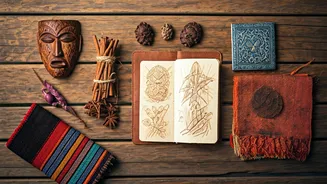
One of the most powerful ways to connect with a culture is by learning something new within it. Participating in a hands-on workshop is a form of experiential travel that turns you from a passive observer into an active participant. Sign up for a cooking class to learn the secrets behind a regional dish, take a pottery or craft workshop with a local artisan, or even try a traditional dance lesson. These activities not only give you a unique souvenir—a new skill—but also provide structured, meaningful interactions with local experts and create opportunities for genuine connection and understanding.
Prioritise Human Connection
Ultimately, what often makes a trip unforgettable are the people you meet. Make an effort to connect with the local community. Learn a few basic phrases in the local language; it shows respect and can open doors to friendly interactions. Ask your taxi driver, a shopkeeper, or the person next to you at a cafe for their recommendations. These conversations can offer insights you'll never find online and may even lead to new friendships. Choosing to stay in locally-owned guesthouses or homestays can also provide a more authentic window into daily life.