






Why Monsoon Humidity Wreaks Havoc on Hair
The primary reason your hair struggles during the monsoon is the high moisture content in the air. When hair, particularly if it's dry or porous, is exposed to this humidity, it absorbs excess moisture from the environment. This causes the hair shaft
to swell and the outer layer, known as the cuticle, to lift. A lifted, uneven cuticle is what gives hair that frizzy, puffy, and unmanageable appearance. Wet hair is also at its most fragile, so any aggressive handling during the drying process can easily lead to breakage and split ends, making the frizz problem even worse.
Ditch the Rough Towel Rub
The single most common mistake is vigorously rubbing wet hair with a standard bath towel. The coarse texture of terry cloth creates significant friction, which not only roughens up the hair cuticle but can also cause tangles and breakage. Instead of rubbing, gently squeeze or blot the excess water from your hair. The best tools for this job are a microfiber towel or a soft, old cotton T-shirt. Both materials have a smoother surface and are highly absorbent, allowing them to draw out water effectively without causing frizz-inducing friction. This simple switch is a foundational step in any gentle drying routine.
The Strategic Approach to Air-Drying
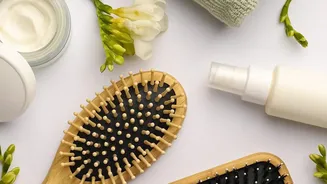
While air-drying seems like the gentlest option, in high humidity it can take hours, leaving your scalp damp for prolonged periods and potentially encouraging fungal growth. A strategic approach works better. After gently squeezing out excess water, apply a leave-in conditioner or an anti-frizz serum to your damp hair. These products help to seal the cuticle, lock in the right amount of moisture, and create a barrier against environmental humidity. Use a wide-tooth comb to gently detangle and distribute the product, starting from the ends and working your way up to the roots. Then, let your hair air-dry without touching it too much, as fiddling can disrupt the strands and create frizz.
Using a Blow-Dryer the Right Way
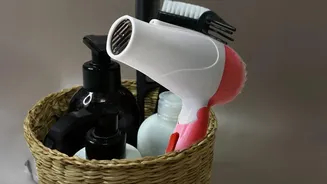
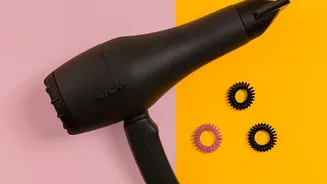
A blow-dryer can be your friend during the monsoon, but only if used correctly. The key is to minimise heat damage and direct the airflow properly. Never use a dryer on soaking wet hair. Instead, wait until your hair is about 70-80% air-dried. Always apply a heat protectant spray first. Use the lowest heat and speed setting on your dryer and, if possible, attach a nozzle. Direct the airflow downwards, from root to tip, as this helps to keep the hair cuticles lying flat and smooth. Using a diffuser attachment, especially for wavy or curly hair, can help maintain natural texture while reducing frizz. Finish with a 'cool shot' from the dryer to seal the cuticles and add shine.
Product and Styling Tips for Lasting Smoothness
The right products provide a crucial layer of defence. Look for sulfate-free shampoos and hydrating conditioners to ensure your hair is well-moisturised from the start. A weekly deep conditioning mask can also help balance hydration levels. Once your hair is dry, simple styling choices can make a big difference. Tying your hair in a loose braid or a bun can protect it from the humid air, especially when you're on the move. Avoid tying wet hair tightly, as this traps moisture and puts stress on the fragile strands. For flyaways, a lightweight hairspray or a tiny amount of hair oil smoothed over the surface can provide a final touch of control.