

The Cleanup Is Almost Non-Existent
Let's start with the most obvious and glorious benefit: fewer dishes. For many beginners, the biggest deterrent to cooking isn't the chopping or stirring—it's the chaotic aftermath of pots, pans, and mixing bowls piled high in the sink. A typical recipe
can require a saucepan for grains, a skillet for vegetables, and another pot for a sauce. A one-pot meal eliminates this juggling act. Everything, from the aromatics to the vegetables and grains, cooks in a single vessel. This streamlined process means you can spend more time enjoying the meal you made and less time scrubbing, making the entire experience more enjoyable and far less daunting.
It's a Masterclass in Building Flavor
Simplicity doesn't mean sacrificing taste. In fact, one-pot cooking is a fantastic way to create deep, layered flavors. As each ingredient is added to the pot, it leaves behind flavor that becomes part of the final dish. When you sauté onions and garlic, then add vegetables, spices, and a liquid like broth or coconut milk, all those tastes meld together. The starches from pasta or rice can thicken a sauce, making it naturally creamy without extra ingredients. This process teaches a core cooking concept: building flavor in stages, all within the forgiving confines of a single pot.
You'll Learn Core Skills, Not Just Shortcuts
While convenient, one-pot cooking is not a cheat code; it’s a training ground. These recipes still require you to learn fundamental techniques that are essential for any home cook. You'll practice basic knife skills while chopping vegetables, understand heat control as you sauté aromatics without burning them, and learn the patience of letting a dish simmer to develop its taste. The primary obstacle for new cooks is often coordinating multiple tasks at once. One-pot meals remove the pressure of multitasking, allowing you to focus on one sequential process at a time in a more forgiving environment.
They Are Budget-Friendly and Reduce Waste
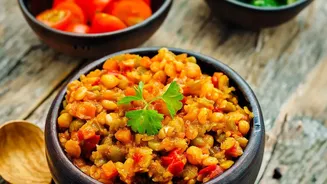
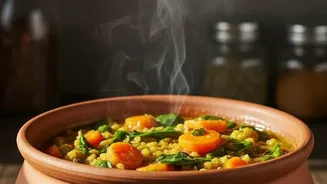
One pot vegetarian meals are inherently economical. Many recipes are built around inexpensive and shelf stable pantry staples like lentils, beans, rice, pasta, and canned tomatoes. This approach is also brilliant for using up lingering produce in your refrigerator. That half an onion, those slightly sad looking carrots, or that handful of spinach can all be thrown into the pot, minimizing food waste. Because everything goes into the meal, you also retain more nutrients that might otherwise be lost in discarded cooking water, making your budget friendly meal a nutritious one, too.
Many one pot recipes feature a significant amount of 'hands off' cooking time. Once the initial ingredients are sautéed and the liquids are added, you can often cover the pot and let it simmer, stirring only occasionally. This frees you up to relax or handle other tasks around the house instead of being chained to the stove. This 'set it and simmer' nature makes these meals ideal for busy weeknights. Furthermore, many one pot dishes like stews, chilis, and curries taste even better the next day, making them a fantastic option for meal prep. Cook once, and you have delicious leftovers for lunch or another dinner.