





Embrace Glass and Transparent Dividers
The most effective way to separate a space while keeping it bright is with glass. Framed glass partitions, often with black steel frames for a modern, industrial look, create a physical barrier without obstructing the view. This allows sunlight to flow
freely, making even small apartments feel larger and more open. These systems can be installed as fixed panels or sliding doors, offering flexibility. For a touch more privacy without losing brightness, consider frosted or fluted glass, which blurs distractions while still diffusing light beautifully throughout the room. These partitions are ideal for establishing a home office that feels both separate and connected to the rest of your home, and research shows that access to natural light can improve focus and comfort for those working from home.
Use Open Shelving Strategically
One of the most popular and functional solutions is an open, backless bookshelf. This type of furniture acts as a semi-permanent wall that defines the office area while allowing light and air to pass through. You can arrange books, decorative objects, and small plants on the shelves to create a visual screen that offers partial privacy. A lower, waist-high unit can create a soft boundary, while a taller, floor-to-ceiling shelf makes the division feel more pronounced. This approach has the dual benefit of adding much-needed storage and display space, making it a perfect fit for smaller homes and studio apartments where every piece of furniture needs to work hard.
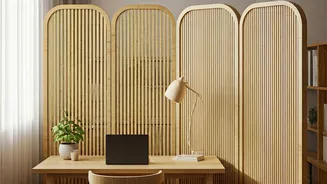
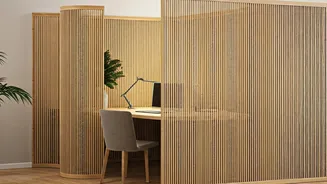
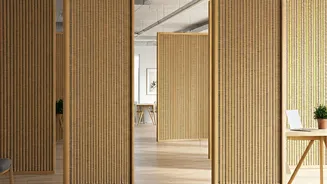
Opt for Slatted Wood Screens
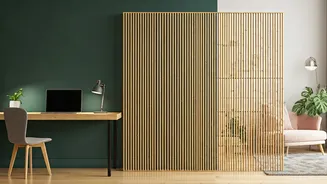
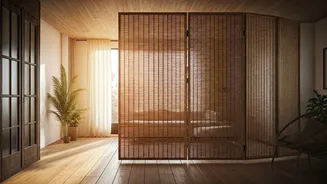
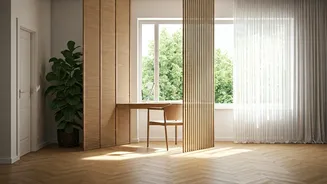
For a solution that is both architectural and organic, consider wooden slats. These can be arranged vertically or horizontally to create a screen that subtly separates your workspace. The gaps between the slats allow light to filter through, casting interesting shadows and maintaining a sense of openness. This method adds texture and visual interest to a room, working well with modern and minimalist decor. You can find pre-made screens or create a custom installation to perfectly fit your space. This approach provides a clear visual cue that you are entering a different zone without the weight and permanence of a solid wall.
Get Creative with Curtains
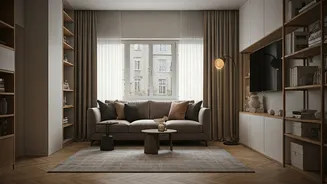
A curtain track installed on the ceiling offers one of the most flexible and affordable ways to divide a room. Opt for sheer or semi-sheer fabrics to maintain a light and airy feel. These materials provide a sense of separation and privacy while still allowing sunlight to permeate the space. The advantage of curtains is their versatility; you can pull them closed for focused work and then open them up completely to restore the open-plan feel when the workday is done. This is an excellent solution for studio apartments or multi-purpose rooms where you need to switch between functions easily.
Leverage the Power of Plants
Create a living wall with a collection of houseplants to form a natural and vibrant room divider. Grouping several large, tall plants like fiddle leaf figs or snake plants can create an effective screen. You can also use a combination of plants on tiered stands or place them on an open shelving unit to build a green barrier. Plants not only define the space but also improve air quality and add a calming, natural element to your home. This strategy provides a sense of privacy while keeping the space feeling breathable and connected to the outdoors.
Define Zones with Furniture and Rugs
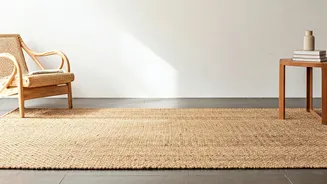
Sometimes, you don't need a physical barrier at all. You can create a distinct office 'zone' through the clever placement of furniture. Position your desk so it faces away from the main living area to help minimise distractions. You can also place a large area rug under your desk and chair to visually anchor the workspace. Using a console table or a low credenza behind a sofa can also act as a subtle line of demarcation between the living area and your office nook. This psychological division can be surprisingly effective at helping you mentally switch into work mode, without impeding the flow of light in any way.