
Beyond Fads, Back to Basics
For years, the global wellness conversation was dominated by exotic ingredients and complicated rules. Quinoa from the Andes, kale smoothies, and a long list of expensive supplements became symbols of healthy living. Yet, a growing number of people in India
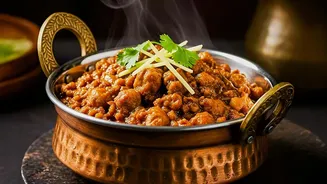
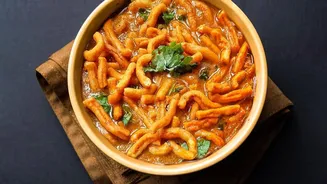
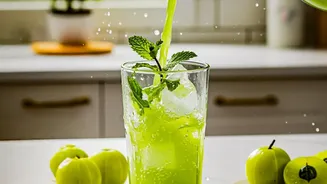
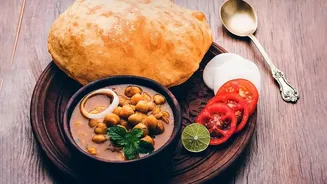
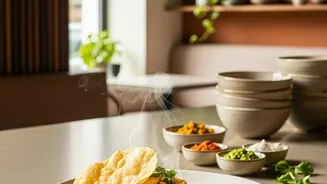
are looking past these trends and rediscovering the profound nutritional wisdom embedded in their own home cooking. Simple, everyday meals that were perhaps once taken for granted—like dal-chawal, sabzi-roti, and idli-sambar—are now being viewed through a modern nutritional lens, and they are passing with flying colours. This shift isn't just about nostalgia; it’s a recognition that many principles of traditional Indian food are aligned with contemporary science. There's a growing fatigue with force-fitting foreign grains into our diets, leading to a renewed interest in familiar, local superfoods like millets, turmeric, and moringa that have always been part of our culinary heritage.
The Science of Grandma's Kitchen
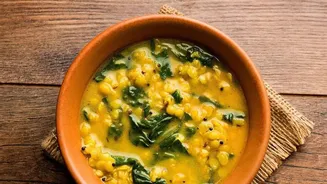
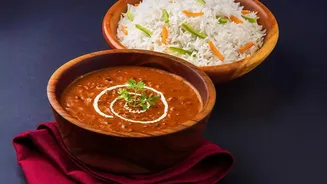
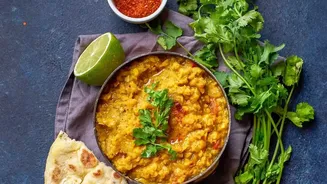
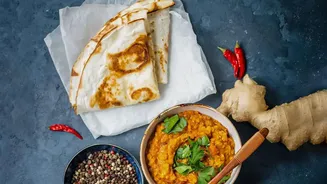
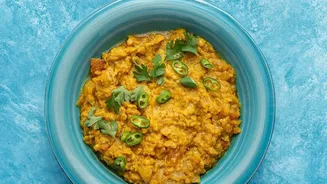
What our grandmothers knew through instinct and tradition is now being explained by science. The classic combination of dal and rice, for instance, is a perfect example of food synergy. Lentils are rich in the amino acid lysine, which rice lacks, while rice contains sulfur-based amino acids that are missing in dal. Together, they form a complete protein, essential for everything from building muscle to supporting immunity. Similarly, the practice of using a 'tadka' or tempering spices in hot ghee or oil is not just for flavour. Most of the aromatic and medicinal compounds in spices like cumin, turmeric, and mustard seeds are fat-soluble. The tadka effectively extracts these compounds, making their health benefits—like turmeric's anti-inflammatory properties—more available to the body. It’s a sophisticated technique that turns a simple dish into a nutrient-dense meal.
Gut Health, the Desi Way
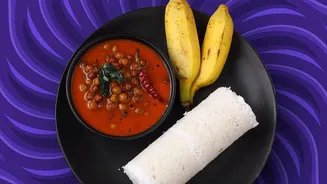
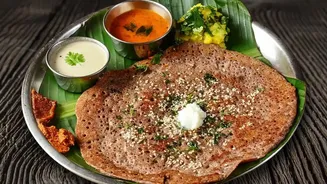
One of the biggest buzzwords in modern wellness is 'gut health', with a major focus on probiotics. While many people turn to expensive yogurts and supplements, Indian home cooking has always been rich in naturally fermented foods. Dishes like dosa, idli, and dhokla are made from batters that are fermented overnight. This process not only makes them light and easy to digest but also cultivates beneficial probiotic bacteria. These microorganisms are crucial for a healthy gut microbiome, which is linked to better digestion, stronger immunity, and even improved mood. The fermentation also breaks down anti-nutrients in the grains, making minerals like iron and zinc easier for the body to absorb. So, a plate of fluffy idlis is not just a comforting breakfast; it's a powerful, traditional probiotic meal.
The Wisdom of Seasonal Eating
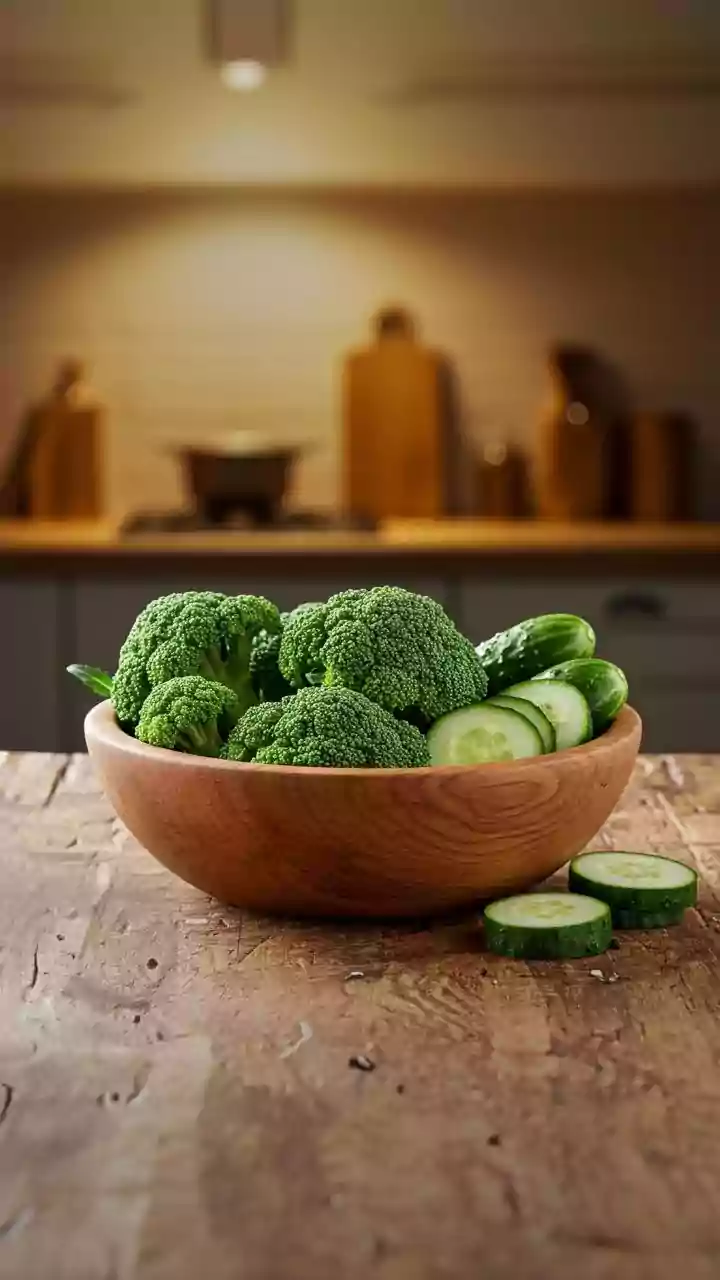
Before year-round availability became the norm in supermarkets, Indian kitchens ran on a seasonal clock. This practice, known in Ayurveda as 'Ritucharya', aligns our diet with the environment. Lighter, water-rich vegetables like lauki and turai were eaten in the summer to stay hydrated, while winter brought heartier root vegetables and warming spices to boost metabolism. Modern science confirms this logic: seasonal produce is often fresher, more nutrient-dense, and more flavourful. Eating with the seasons also ensures a natural variety in our diet throughout the year, providing a wide spectrum of vitamins and minerals. This return to seasonal eating is a simple yet powerful way to improve nutrition, support local farmers, and connect with a more sustainable way of life that was always part of our culture.