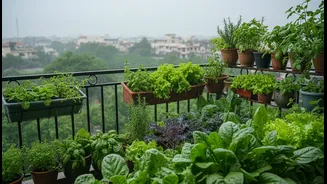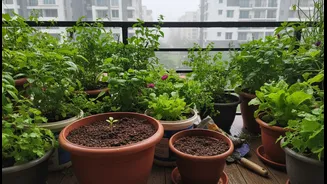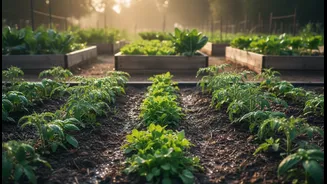






Understanding the Monsoon Advantage
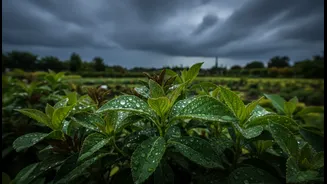
For gardeners, the Bengaluru monsoon, typically from June to September, is a golden opportunity. The combination of cooler temperatures, often between 20°C and 28°C, and high humidity creates an ideal environment for seeds to germinate and plants to grow
with less stress. The frequent rain means less manual watering, and the moist air helps cuttings and new saplings establish roots much faster. This period is perfect for everything from sowing seeds to repotting existing plants, as they recover from the shock more quickly.
Easy Leafy Greens for Quick Harvests
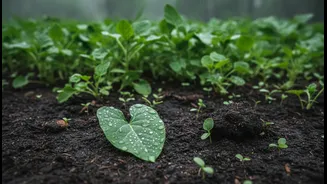
If you're a beginner, leafy greens are the most rewarding plants to start with. They grow fast and thrive in the monsoon moisture. Spinach (Palak), Amaranth (Chaulai/Harive Soppu), and Fenugreek (Methi) are excellent choices. These can be grown in wide, shallow pots or trays. Scatter the seeds, cover with a thin layer of soil, and place them in a spot with partial sunlight, like a balcony that doesn't get harsh afternoon sun. You can often start harvesting outer leaves within a few weeks, encouraging the plant to produce more. Coriander is another must-have that does exceptionally well in this season.
Fruiting Vegetables for Your Balcony
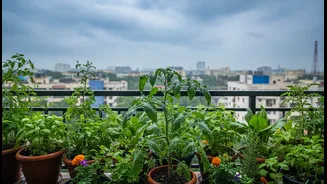
For something more substantial, several fruiting vegetables love the monsoon. Tomatoes, chillies, and brinjal (eggplant) are popular choices that can be grown in 10 to 12-inch pots. It's best to start these from seedlings, which can be transplanted in July. Gourds—like bottle gourd (lauki), ridge gourd (turai), and bitter gourd (karela)—are also fantastic monsoon growers, but they are climbers and will need a trellis for support. Ensure they get at least 4-6 hours of sunlight.
Essential Herbs for Fresh Flavours
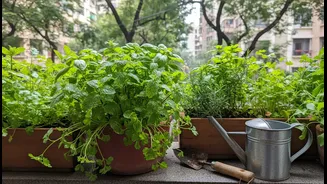
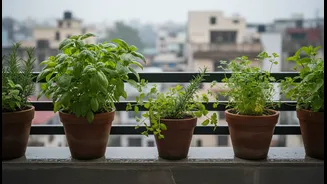
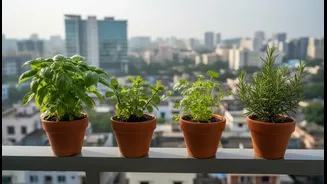
No urban garden is complete without a selection of fresh herbs. Mint is incredibly easy to grow in a container and will provide a steady supply, but it's best to give it its own pot as it spreads aggressively. Basil, both the Italian and holy basil (Tulsi) varieties, also thrives with regular pinching to keep it bushy. Ginger is another great option for the rainy season; planting a rhizome in moist, well-drained soil will give you a continuous supply for your kitchen.
The Right Foundation: Soil and Pots
Success in monsoon gardening hinges on one critical factor: drainage. While the rains are a blessing, waterlogged pots can lead to root rot. Always use containers with drainage holes. Avoid using garden soil directly, as it compacts easily. A good potting mix for containers is a combination of garden soil (or cocopeat), compost, and sand or perlite to keep it light and well-draining. A common recipe is 40% soil/cocopeat, 30% compost, and 30% perlite or sand. This ensures roots get oxygen even during heavy showers.
Monsoon Care and Pest Management
During the monsoon, you'll water less, but you need to be more vigilant about pests and diseases that thrive in high humidity. Check the undersides of leaves weekly for common pests like aphids and mealybugs. A simple spray of neem oil mixed with water is an effective organic solution. Also, ensure good air circulation around your plants by not overcrowding them. If you see yellowing leaves, it could be a sign that the constant rain is washing away nutrients; a light dose of balanced fertiliser can help.