





As the festive lights of Diwali begin to glow, jewellery stores across India see a familiar, brilliant surge in activity. This is no coincidence; buying gold during Dhanteras and Diwali is a tradition steeped in meaning. But what makes this period so
auspicious for purchasing the yellow metal? The reasons are a rich blend of mythology, faith, and astute financial thinking that have been passed down through generations, making gold an inseparable part of the festival of lights.
The Auspicious Alignment of Dhanteras
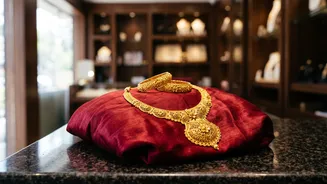
The tradition is most potent on Dhanteras, which marks the first day of the five-day Diwali festival. The name itself, derived from the Sanskrit words 'Dhan' (wealth) and 'Teras' (thirteenth day), points to its purpose. Falling on the thirteenth lunar day of the Hindu month of Kartik, the festival is dedicated to celebrating wealth and prosperity. Buying gold on this specific day is believed to be an invitation to Goddess Lakshmi, the deity of wealth, to bless the household with good fortune and abundance for the coming year. It is a symbolic act of welcoming prosperity into the home. This belief is so strong that it creates a predictable and massive surge in demand, with sales volumes often jumping by 30-40%.
Mythological Roots and Divine Blessings
The practice is anchored in rich mythological tales. One of the most prominent stories is the emergence of Lord Dhanvantari, the physician of the gods and an incarnation of Vishnu, from the cosmic ocean during the 'Samudra Manthan' (churning of the ocean). He is said to have appeared holding a pot of divine nectar and other treasures, including gold. Another popular legend tells of the wife of King Hima's son, who saved her husband from a prophesied death by snakebite. She did this by piling up her gold ornaments at the entrance of his chamber and lighting lamps everywhere. When Yama, the god of death, arrived in the form of a serpent, he was so dazzled and blinded by the brilliance of the gold and lamps that he was unable to enter, thus sparing the prince's life. These stories cement gold's role as a protector and a harbinger of good fortune and health.
Gold as a Prudent Financial Asset
Beyond the spiritual significance, there is a strong element of financial wisdom behind the tradition. Gold is seen as a reliable and secure investment, a safe haven from economic volatility and inflation. For centuries, it has been a trusted store of value, an asset that does not corrode or degrade and can be passed down through generations. This aligns perfectly with the festival's theme of securing a prosperous future. The timing of Diwali, which often follows the harvest season, traditionally meant that rural households had more disposable income to invest. Today, this practice continues across the country, with many viewing the Dhanteras purchase as a form of disciplined annual savings. It's a blend of faith and finance, where a sacred ritual also serves as a sound investment.
A Tradition Evolving With Time
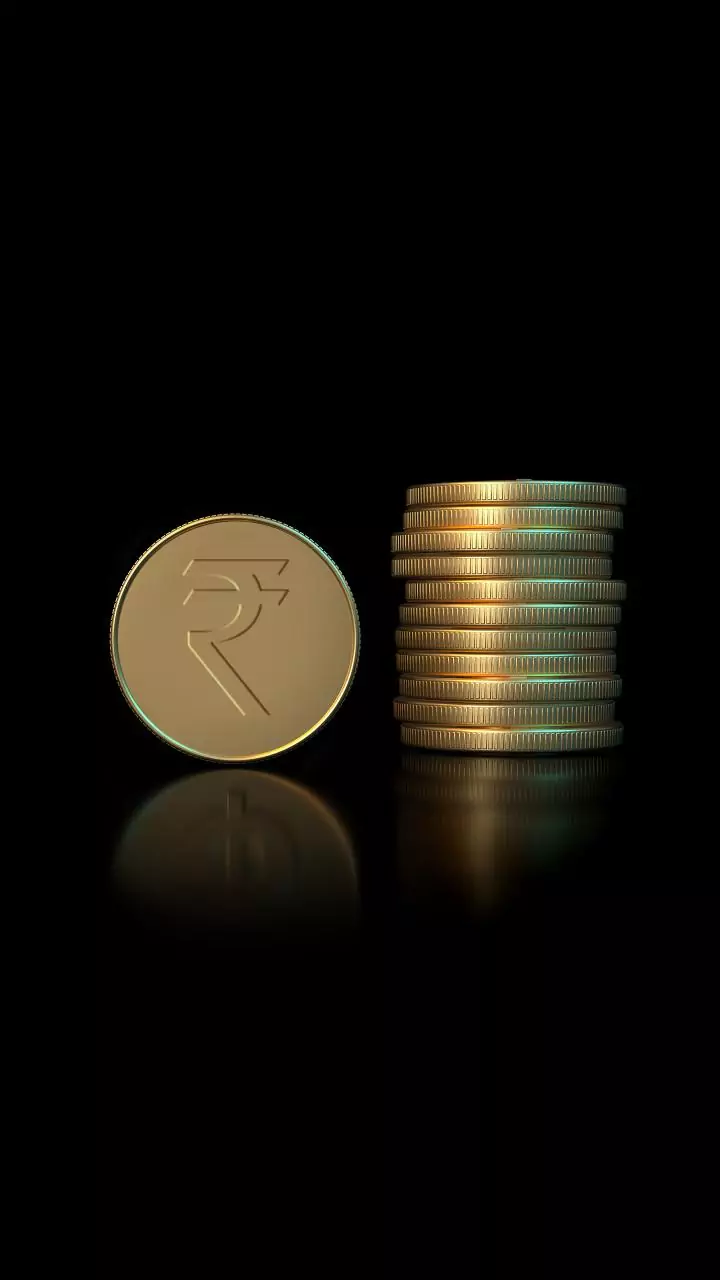
While the core tradition remains unshaken, purchasing habits are evolving. Historically, families might have bought gold coins and bars for worship or heavy traditional jewellery. In recent years, especially with fluctuating and elevated gold prices, consumer behaviour has adapted. Many buyers now opt for lighter, more contemporary jewellery designs that are versatile enough for everyday wear, not just for festive occasions. This allows them to honour the tradition while staying within a budget. The rise of digital gold has also provided a modern alternative, allowing people to invest in gold without the need for physical storage. Jewellers have responded with aggressive discounts, exchange offers, and diverse product ranges, including silver and gemstones, to cater to a broader audience and keep the festive spirit of purchasing alive.