



An Offering of Gratitude and Love
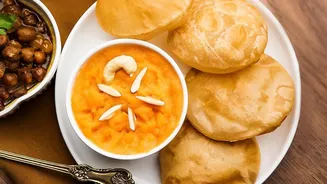
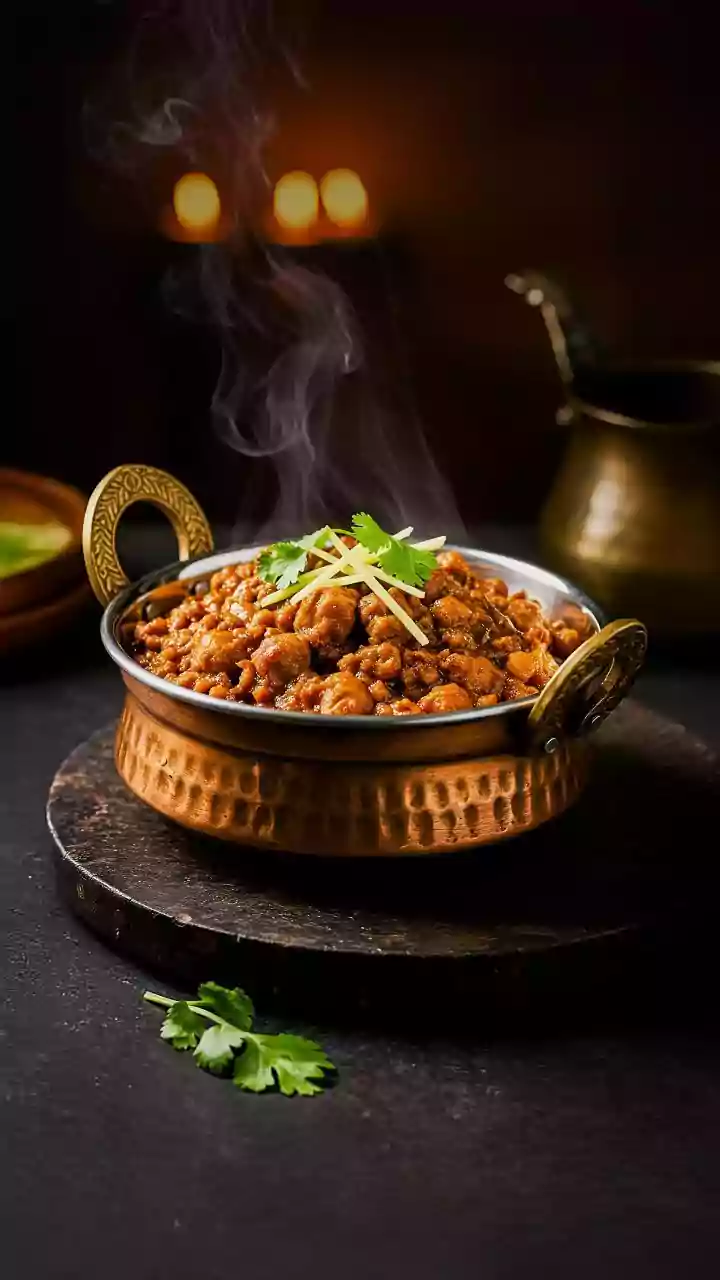
At the core of Janmashtami's culinary traditions is the concept of 'bhog'—a food offering made to Lord Krishna before being shared among devotees. The most elaborate of these is the 'Chappan Bhog', a spread of 56 distinct dishes. Legend holds that this
tradition began when Krishna held the Govardhan Hill aloft for seven days to protect his villagers from torrential rains, missing his usual eight meals a day. To show their gratitude, the villagers prepared a feast of 56 items (seven days multiplied by eight meals). This grand offering typically includes a mix of sweets, savouries, grains, and dairy products, symbolizing deep devotion.
The Sweetness of Braj Bhumi
In Mathura and Vrindavan, the heartland of Krishna's childhood, the festivities are steeped in sweetness. The offerings are dominated by milk-based desserts, a nod to Krishna's famous love for butter (makhan) and other dairy delights. Makhan Mishri, a simple blend of fresh white butter and rock sugar, is a quintessential prasad. Another iconic sweet is the Mathura Peda, a rich, grainy confection made from slow-roasted milk solids (khoya) and sugar. Other regional specialties include Dhaniya Panjiri, a unique prasad made from roasted coriander powder, ghee, and nuts, often prepared by families who fast from grains. These dishes are not just food; they are edible symbols of the region's sacred geography and history.
A Savoury Celebration in the West
Moving to western India, particularly Maharashtra, the menu takes a savoury turn that is deeply connected to local life. Here, the festival is famously marked by the Dahi Handi ritual, where communities form human pyramids to break a pot of curd hanging high above. The prasad that often follows is Gopalkala. This dish is a simple, no-cook mixture of flattened rice (poha), curd, cucumber, coconut, and spices. The name itself signifies community; 'Gopal' refers to Krishna the cowherd, and 'kala' means mixture. It is believed to represent the meal Krishna would share with his friends, mixing whatever food they all brought together. This tradition beautifully reflects the region's agricultural staples and the spirit of communal harmony.
Southern Delights and Ritualistic Snacks
In Southern states like Tamil Nadu and Karnataka, Janmashtami, or Gokulashtami, is celebrated with an array of intricate, often crunchy, snacks. Homes are decorated with tiny rice-flour footprints, symbolizing Krishna's arrival. The kitchen is busy preparing treats like Uppu Seedai (savoury rice flour balls) and Vella Seedai (a sweet version with jaggery). Murukku, a crispy, spiral-shaped snack made from rice and lentil flour, is another festive staple. These fried delicacies, along with sweets like Avalakki Payasam (poha kheer), are prepared with great care. The emphasis on these specific snacks showcases a distinct culinary heritage, where texture and tradition are paramount.
The Uniting Thread of Family
Beyond regional specialties, the true essence of the Janmashtami menu comes alive within family homes. Many dishes are prepared from recipes passed down through generations, each with its own story and subtle variation. Whether it's a grandmother's secret technique for the perfect Panjiri or a family's unique take on Kheer, these traditions are a powerful link to heritage. The act of preparing these foods together—roasting, grinding, mixing, and frying—becomes a ritual in itself, weaving the spiritual significance of the festival into the very fabric of family life. It transforms the kitchen into a space of shared memory, devotion, and love, ensuring that cultural and culinary legacies continue to thrive.