






The Science of Less Protein
The theory behind protein restriction and longevity is not just about eating less; it's about changing how our cells behave. The central player in this story is a cellular pathway called mTOR (mechanistic target of rapamycin). Think of mTOR as a master
growth regulator in your cells. When you eat a lot of protein, particularly certain amino acids like leucine and methionine, mTOR is activated, telling your cells to grow and multiply. This is great for building muscle. However, constant mTOR activation may suppress a crucial cellular cleanup process called autophagy, where cells recycle old, damaged parts. By restricting protein, the theory goes, you can dampen the mTOR signal, boost autophagy, and potentially slow down aspects of ageing.
What the Animal Studies Show
The most dramatic findings supporting this theory come from laboratory animals. Studies on yeast, flies, worms, and rodents have shown that diets with restricted protein or specific amino acids can significantly extend lifespan. In some experiments, this effect occurred even without reducing overall calorie intake, suggesting protein levels were the key factor. Scientists can control every aspect of a lab animal's life, from its exact genetic makeup to every morsel of food it eats, allowing them to isolate the effects of protein. These studies often point to a hormone called FGF21, which increases during protein restriction and is linked to improved metabolic health and a longer life in mice.
The Human Translation Problem
Here’s the million-dollar question: are we just big mice? The answer, metabolically speaking, is no. While the consistency of findings across different species is compelling, translating them directly to human health is complex. Humans live for decades, not a few years, and our diets and lifestyles are incredibly varied. A dietary change that works over a mouse's entire two-year lifespan might have very different long-term consequences for a person over 80 years. Furthermore, human studies on this topic have been small, short-term, and have mostly measured metabolic markers like blood sugar and body fat, not lifespan itself. While some trials show that reducing protein intake can improve these markers, it's a huge leap to say it will make us live longer.
The Real-World Risks of Cutting Protein
Before you clear your pantry of protein, it's crucial to understand the risks, especially for certain groups. For older adults, consuming enough protein is vital to combat sarcopenia—the age-related loss of muscle mass, strength, and function. Low protein intake is consistently linked to a higher risk of sarcopenia, frailty, and loss of independence. In fact, many guidelines recommend that adults over 65 should consume more protein than the standard recommendation to preserve muscle and bone health. The benefits of suppressing mTOR in midlife might be completely outweighed by the dangers of muscle loss in later life. Pregnant women, children, and people recovering from illness or surgery also have higher protein needs and should not restrict their intake.
A Balanced and Personalised Approach
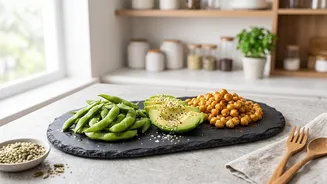
The emerging science doesn't paint a simple picture of 'more protein good' or 'less protein bad'. The answer is likely far more nuanced and depends on your age, activity level, and overall health. For a sedentary person, a very high-protein diet might not be beneficial. For an active individual or an older adult, adequate protein is essential for muscle maintenance and repair. The type of protein may also matter. Some research suggests that plant-based proteins, which are often lower in the specific amino acids that strongly activate mTOR, might be associated with better long-term health outcomes than animal proteins. This points towards a future of personalised protein recommendations rather than a one-size-fits-all rule.