


More Than Just Collection
The allure of a full rain barrel is understandable—it’s a visible sign of your eco-friendly efforts. However, leaving a container full for extended periods is a common mistake that can lead to several problems. A holistic approach to rainwater harvesting
means not just planning for the fill-up but strategizing the draw-down. The goal is to have an empty barrel ready to capture the next rainfall, ensuring you maximize collection and prevent the water you’ve saved from becoming a liability. Regularly using and draining your barrel is key to a healthy, efficient system.
The Stagnation Situation
When water sits for too long, it becomes stagnant. This is where the trouble begins. Stagnant water is a perfect environment for anaerobic bacteria to thrive. These microorganisms multiply in low-oxygen conditions, breaking down organic debris like leaves and pollen that inevitably wash in from your roof. The result? A foul, sulfur-like smell often compared to rotten eggs. This smelly water is not something you want to put on your garden. Moreover, this decomposition process can create a slimy biofilm on the inside of your tank, making it harder to clean and potentially clogging your spigot.
A Breeding Ground for Pests
Perhaps the most significant health concern with standing water is mosquitoes. A forgotten, full rain barrel is an ideal nursery for mosquito larvae. Mosquitoes can complete their breeding cycle in as little as a week in stagnant water, and a single barrel can produce thousands of new mosquitoes in a season. While a fine mesh screen over the opening is the first line of defense, it’s not foolproof. The best way to prevent your rainwater system from becoming a neighborhood nuisance is to ensure the water is used or drained within a week after a rain event.
Practical Ways to Empty Your Container
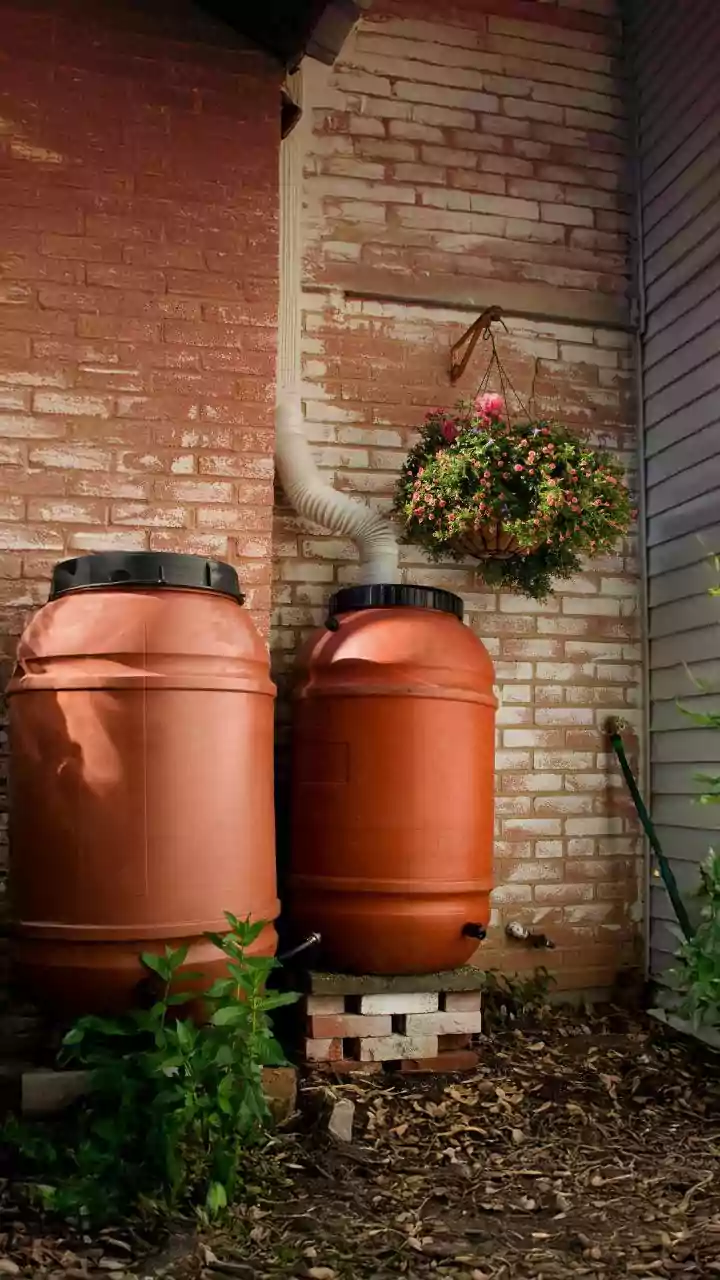
Planning how to empty your barrel from the outset makes the process seamless. The simplest method is a gravity-fed spigot at the base of the container. Attaching a hose allows you to direct water to your garden beds. For more pressure, you can elevate your barrel on a sturdy, level stand. Another option is a small, submersible pump, which can provide the pressure needed for a spray nozzle. For a more automated approach, an overflow pipe can be installed near the top of the barrel to divert excess water away from your home's foundation, ideally to another garden area or a permeable surface.
When and How to Use the Water
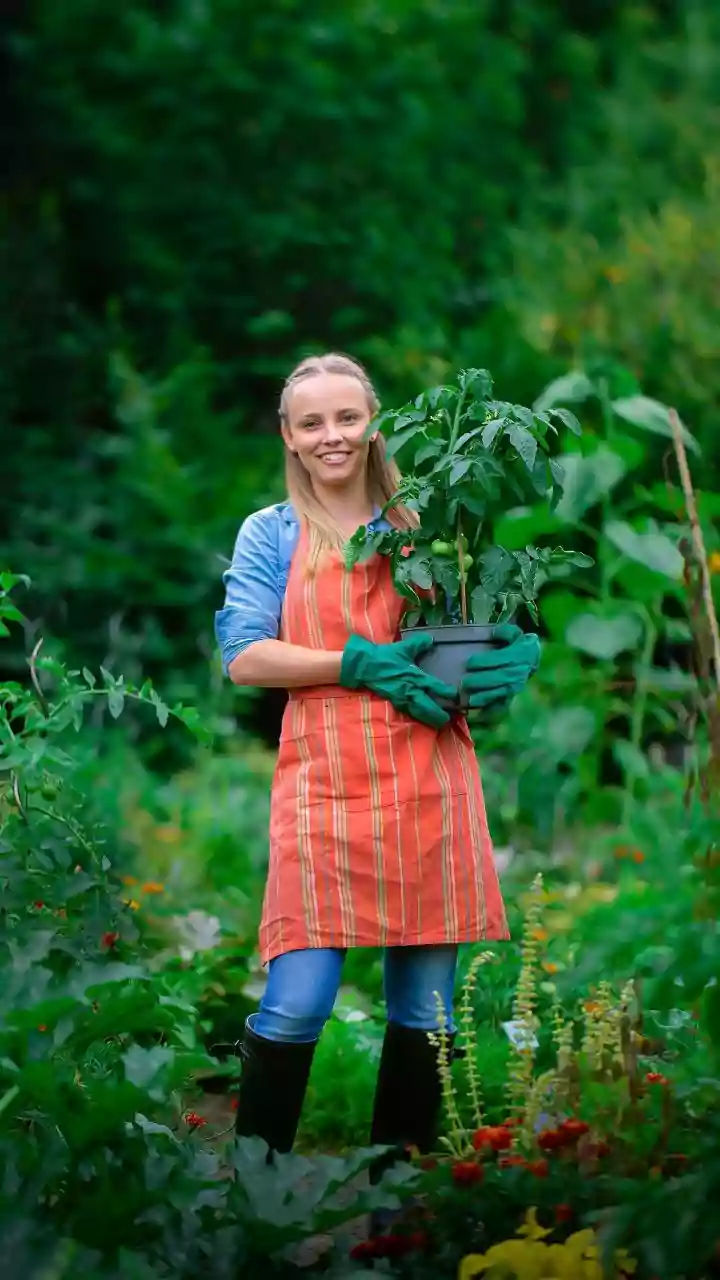
Harvested rainwater is a fantastic resource for many outdoor tasks. It's excellent for watering ornamental plants, lawns, and trees. However, it's important to be cautious. Because the water can contain contaminants from your roofing material and bird droppings, it should not be considered potable for humans or pets. Most experts recommend avoiding using it directly on the edible parts of fruits and vegetables, like leafy greens. If you do use it in your vegetable garden, apply it directly to the soil to avoid contact with the plants themselves.
Creating a Maintenance Schedule
A good rainwater system is a low-maintenance one, but not a no-maintenance one. Make it a habit to use the water in your barrel regularly. After a big rain, aim to drain it within seven days. At least once a season, and especially before winter, it’s wise to empty the barrel completely. Give the interior a scrub with a simple soap or vinegar solution and rinse it thoroughly to remove any sediment or algae. In colder climates, it's crucial to disconnect and drain your barrel before the first freeze to prevent ice from forming and cracking the container.