


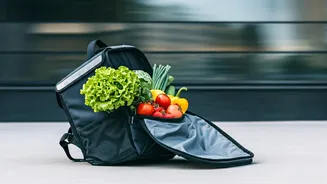


The 10-Minute Revolution
A new category of e-commerce has taken India's metros by storm: quick commerce. Led by platforms like Blinkit, Zepto, and Swiggy Instamart, this model promises to deliver groceries, snacks, and a growing array of essentials to your doorstep in 10 to 20
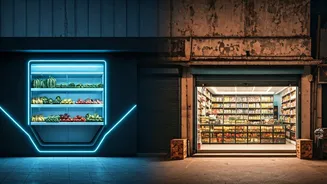
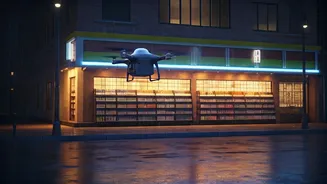
minutes. [2, 12, 17] This isn't just a marginal improvement over next-day delivery; it's a fundamental rewiring of consumer expectations. The Indian quick commerce market has seen explosive growth, jumping from ₹850 crore in FY20 to a staggering ₹28,390 crore by FY24. [8] Forecasts project the market will continue its rapid ascent, potentially reaching nearly $13 billion by 2029. [3, 14] This growth is fuelled by a network of strategically located 'dark stores'—small, unseen warehouses stocked with high-demand items, enabling the lightning-fast delivery times that have become the industry's signature. [2, 7]
From Panic-Buy to Daily Habit
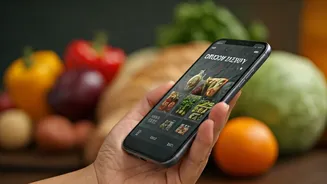
What began as a service for forgotten items or late-night cravings has rapidly evolved into a routine shopping channel. [8] The unparalleled convenience has shifted consumer behaviour from planned, bulk purchases to frequent, small-basket orders. [13, 18] Instead of a large weekly trip to a supermarket, households are now 'topping up' daily, buying what they need, when they need it. This shift is particularly pronounced among urban millennials and Gen Z. [2] These platforms are no longer just for groceries; offerings have expanded to include electronics, beauty products, personal care, and even printouts for a forgotten homework assignment. [2, 26] This is driving what some analysts call 'impulse consumption', where the friction between desire and acquisition is almost entirely eliminated. [4, 8]
The Kirana Store Conundrum
The rise of instant delivery has sparked a critical debate about the future of India's ubiquitous kirana stores. For decades, these neighbourhood shops have been the backbone of local commerce. [25] Now, they face an unprecedented challenge. Some reports suggest that quick commerce is actively pulling spending away from these traditional retailers, with one survey indicating that 46% of quick commerce users have reduced their visits to local stores. [8, 13] The Confederation of All India Traders (CAIT) has voiced concerns, alleging that these platforms threaten the livelihood of millions of small retailers. [19] However, the narrative is complex. Some argue that quick commerce primarily competes with large e-commerce players and modern trade, not kiranas, which retain their edge in personal relationships and providing credit. [11, 24] Despite this, the pressure is undeniable, pushing many kirana owners to modernise by adopting digital payments and offering their own hyperlocal delivery to survive. [20]
The Human Engine of Instant
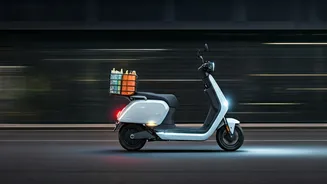
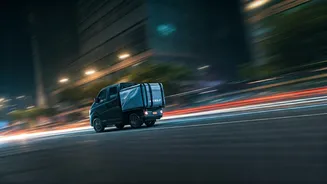
The 10-minute promise is fulfilled by a massive fleet of gig workers, the delivery partners who navigate traffic and weather to meet deadlines. While providing flexible earning opportunities, this model has raised significant concerns about working conditions. [15] Many delivery partners work long hours, often 12-13 hours a day, for earnings that can be unpredictable and are often reduced by costs like fuel and vehicle maintenance. [9, 10] The immense pressure to deliver quickly has been linked to safety risks on the road, mental stress, and income instability. [12, 16] Protests and strikes have occurred, with workers demanding better pay, social security benefits, and an end to practices they feel compromise their safety. [10, 16] The sustainability of the quick commerce model is therefore intrinsically linked to the welfare of its human workforce.
A New Urban Fabric
Beyond shopping, instant commerce is subtly altering the very fabric of urban life. The convenience of having everything delivered reduces the need for trips outside, potentially leading to a more sedentary lifestyle and decreased foot traffic in local neighbourhoods. [22, 26] This has social implications, reducing the casual interactions that once defined community shopping experiences. [26] The 'need' to plan has been replaced by the ability to gratify needs instantly, changing how households manage their time and resources. As these platforms expand from metros into Tier 2 and Tier 3 cities, they are not just delivering goods; they are delivering a new way of living, the long-term consequences of which are still unfolding. [3, 4] The convenience is undeniable, but it prompts a wider conversation about the kind of urban environment we are collectively building.