


An Unprecedented Festive Rush
The upcoming festival season, encompassing major events like Durga Puja, Dussehra, and Diwali, is shaping up to be one of the busiest travel periods in recent years. Analysts point to a confluence of factors: pent-up demand for family visits, a renewed
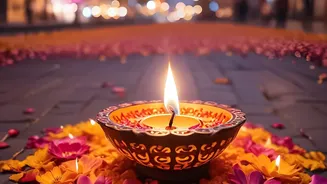
interest in cultural and spiritual tourism, and a strong preference for domestic holidays. Reports indicate that a significant percentage of Indians are planning trips around cultural events, making festivals a primary driver for travel decisions. This isn't just about going home; it's about experiencing the vibrant celebrations in cities famous for them, from Kolkata's Durga Puja to Varanasi's Dev Deepawali. The result is an anticipated surge that will test the limits of the country's transport and urban infrastructure.
Railways on High Alert
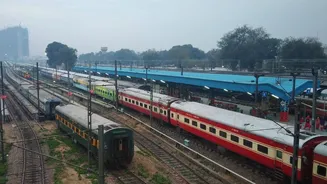
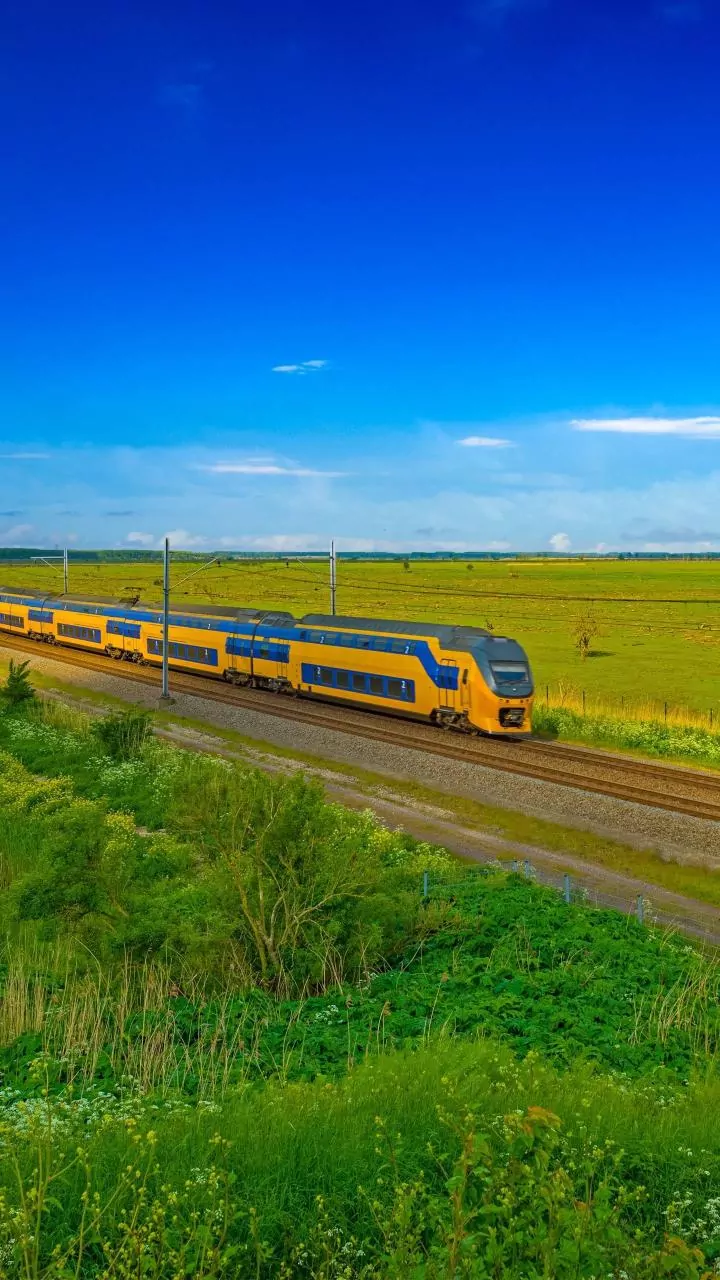
Indian Railways, the backbone of festive travel, is already deep into its preparations. To manage the expected rush, the national transporter has announced hundreds of additional 'Festival Special' train services across high-demand routes. These services are strategically planned to run from September through early December, covering the entire festive window from Durga Puja to Chhath Puja. Key routes connecting major metros like Delhi, Mumbai, and Bengaluru to cities in Uttar Pradesh, Bihar, West Bengal, and Punjab are seeing a significant boost in capacity. For the first time, Indian Railways is also introducing more direct, long-distance special trains to connect northern and southern hubs, eliminating the need for passengers to change trains at busy interchange stations. Bookings for Diwali travel, which falls on November 8 this year, opened on September 6, and authorities have been urging passengers to book well in advance to avoid the last-minute scramble.
Navigating Crowded Skies and Roads
Air travel is also bracing for a turbulent season. Airlines are anticipating high passenger loads, but travellers should be prepared for potentially higher fares. A recent back-to-back hike in Aviation Turbine Fuel (ATF) prices is putting pressure on airlines, and experts warn that some of these costs will likely be passed on to consumers, especially on popular festive routes. Dynamic pricing, where fares increase as seats fill up, means that last-minute tickets could be significantly more expensive. On the ground, major cities are preparing for traffic snarls and logistical challenges. In Kolkata, for instance, police have already started coordinating with Durga Puja committees to finalise crowd management plans. Measures include creating separate entry and exit routes for pandals, discouraging prolonged stays inside, and deploying additional personnel at Metro stations to streamline crowd flow. Motorists will also be discouraged from slowing down near popular pandals to prevent traffic congestion.
Kolkata's Blueprint for Durga Puja
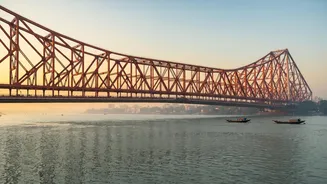
Kolkata, the epicentre of Durga Puja, offers a case study in large-scale festival management. The city administration has begun detailed preparations, with police mapping out big-ticket pujas to assess expected footfall and devise traffic circulation plans in advance. The government is working with organisers to ensure pandals respect cultural traditions. Special arrangements are also being made to help the elderly and persons with disabilities visit pandals. While the grand immersion carnival has been cancelled this year, the state will continue to present awards for categories like 'best crowd management', incentivising committees to prioritise safety. For travellers, the advice from veterans is clear: use the Metro, which runs late into the night, and be prepared to walk, as many popular pandals are clustered together.
The Accommodation Squeeze
The travel surge is also being felt in the accommodation sector. Hotels and homestays in popular festival destinations like Jaipur, Varanasi, and cities across Rajasthan are expected to see high occupancy rates. Travel experts advise booking accommodation two to three months in advance, as prices can rise sharply closer to the festival dates. The demand isn't just for traditional hotels; experiential stays that offer a taste of local culture are also highly sought after. With cultural tourism becoming more intentional, many travellers are planning their entire trip around specific festival dates, prioritising the experience over cost. This means that finding a good place to stay requires early and decisive planning.