


A City Reimagined
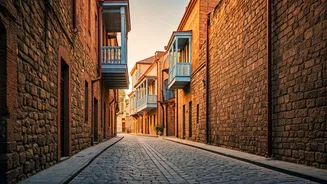
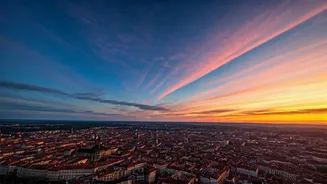
Not long ago, Tbilisi was a hidden gem, a post-Soviet capital known for its historic sulphur baths, crumbling ornate balconies, and hearty cuisine. But in recent years, Georgia’s capital has undergone a quiet but powerful transformation. It has emerged
as a global magnet for creatives, tech professionals, and remote workers drawn by its unique blend of ancient history and modern dynamism. A liberal visa policy, which allows many nationalities to stay for up to a year, has supercharged this trend. The result is a city buzzing with international energy, yet one that remains refreshingly unpretentious and, crucially, affordable.
The Rise of Speciality Kava
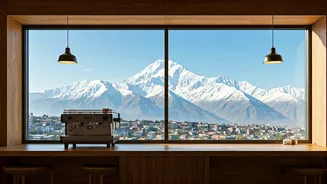
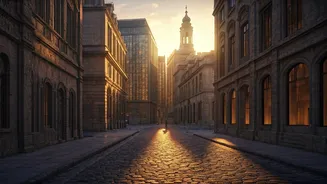
Central to this new identity is a burgeoning coffee culture. While Georgia has a long tradition of strong, Turkish-style coffee (known locally as 'kava'), a new wave of cafes has introduced the city to the world of specialty beans, pour-overs, and expertly pulled espressos. These aren't sterile, cookie-cutter chains. They are independent, design-conscious spaces that reflect Tbilisi's eclectic spirit. They occupy renovated Soviet-era factories, tucked-away courtyards, and top floors of Art Nouveau buildings, each offering a distinct atmosphere. This evolution from basic brew to craft coffee mirrors the city's own journey towards becoming a sophisticated, modern hub.
More Than Just a Workspace
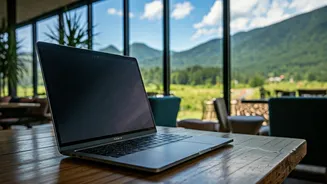
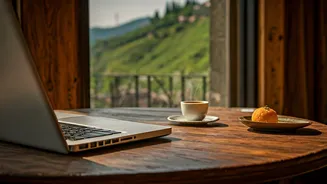
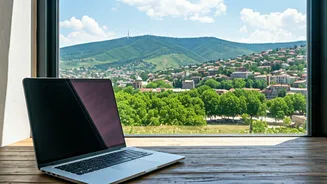
For the digital nomad, a good cafe is more than just a place with Wi-Fi and power outlets. It’s a 'third space'—a social anchor between the private sphere of an Airbnb and the anonymity of a new city. In Tbilisi, these coffee shops function as de facto co-working hubs and community centres. You'll see developers from Delhi coding next to graphic designers from Mumbai, all tapping away on laptops under the warm glow of Edison bulbs. Friendships are formed over flat whites, collaborations are born during coffee breaks, and the loneliness often associated with a nomadic lifestyle is staved off by the gentle, productive hum of a shared space. They provide a soft landing, an instant community for newcomers navigating the city.
Views, Vibes, and Value
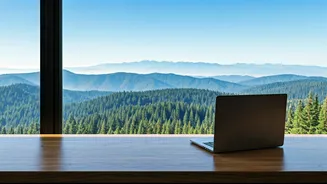
What truly sets Tbilisi's scene apart is the intersection of aesthetics and economics. The 'mountain' in the headline isn't just a metaphor. Many of the most popular spots are perched on the city’s hillsides or feature rooftop terraces with breathtaking views of Mount Mtatsminda, the Holy Trinity Cathedral, and the Caucasus peaks in the distance. This visual splendour provides a daily dose of inspiration that a typical office cubicle cannot. And it all comes at a fraction of the cost of similar experiences in Western Europe or North America. A high-quality cappuccino might cost less than ₹200, and you can often work for hours without pressure to move on. This combination of stunning scenery and low cost of living is an almost unbeatable proposition for someone earning a remote salary.
Who Are the Next Gen Nomads?
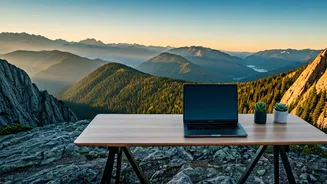
The term 'digital nomad' once conjured images of backpackers blogging from a beach. The 'next gen nomad' flocking to Tbilisi is a different breed. They are seasoned professionals in their late 20s to 40s—software engineers, marketing consultants, entrepreneurs, and artists. They are not just passing through; many are 'slowmads,' settling in for months at a time to immerse themselves in the local culture. They seek a high quality of life, a rich cultural tapestry, and a sustainable work-life balance that their home countries may not offer. For them, Tbilisi isn't a vacation; it's a strategic life choice, and its coffee hubs are the epicentres of this new way of living and working.