





A New Definition of Chocolate
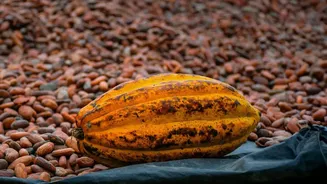
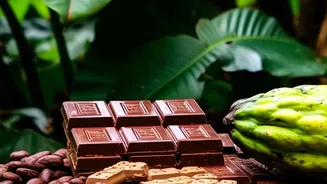
The term 'bean-to-bar' represents a fundamental shift in how chocolate is made and perceived. Unlike industrial manufacturers who often start with pre-processed cocoa liquor, bean-to-bar makers control the entire journey. It begins with sourcing cacao
beans directly from farmers, followed by a meticulous process of roasting, grinding, conching, and tempering—all handled in-house. This hands-on approach allows chocolatiers to preserve the unique flavours of the beans, which are deeply influenced by the specific environment, or 'terroir', in which they were grown. For consumers, it means moving beyond a generic chocolate taste and discovering a world of complex flavour notes, much like one would with fine wine or specialty coffee.
The Southern Cacao Belt
South India provides the perfect conditions for cacao cultivation. The states of Kerala, Karnataka, Tamil Nadu, and Andhra Pradesh form a lush agricultural belt where cacao trees thrive. Historically, cacao has been grown here since the late 18th century, but large-scale cultivation was promoted in the 1960s. Today, this region is the heart of India's craft chocolate movement. The cacao is often intercropped with coconut, areca nut, and spices like cardamom and pepper, which can impart unique and complex flavour notes to the beans. Beans from Kerala might offer fruity or spicy notes, while those from Karnataka can have a nuttier profile, creating a diverse palette for chocolatiers to work with.
The Pioneers of Indian Craft Chocolate
Several pioneering brands have been instrumental in putting South Indian chocolate on the map. Mason & Co, based in Auroville and founded in 2014, is widely regarded as one of India's first bean-to-bar brands, focusing on organic and vegan chocolate sourced from farmers across the south. Soklet, India's first and only 'tree-to-bar' maker, manages the entire process from its own plantations in Tamil Nadu. Meanwhile, brands like Paul & Mike from Kochi have gained fame for infusing their fine flavour cocoa with local fruits and spices like sitaphal and jamun. Newer entrants like Manam from Hyderabad and Bon Fiction from Andhra Pradesh work closely with farmers in the Godavari region, highlighting the specific terroir of their beans and pushing the boundaries of Indian craft chocolate.
A Taste of the Land
What makes these chocolates truly special is their ability to express a sense of place. The flavour profiles are distinctly Indian, reflecting the rich biodiversity of the region where the cacao is grown. You might discover bright, acidic notes of green apple and apricot from beans grown in Kerala, or subtle, earthy undertones from the Western Ghats. This focus on single-origin bars allows consumers to appreciate the nuanced differences between beans from various farms and regions. It transforms chocolate from a simple sweet treat into a sophisticated culinary experience, offering a narrative of the land, the farmer, and the craft. This is a stark contrast to the homogenous flavour of mass-produced chocolates, which are designed for consistency above all else.
More Than Just a Dessert
The rise of bean-to-bar chocolate in South India is more than just a food trend; it's a movement with significant cultural and economic implications. By sourcing beans directly and often paying premium prices, these brands support sustainable agriculture and provide better livelihoods for local farmers. They are also fostering a new wave of culinary pride, challenging the long-held notion that the best chocolate must come from Europe. As consumers become more conscious about where their food comes from, these brands offer transparency, quality, and a story in every bar. They are helping to build a new identity for Indian desserts, one rooted in local ingredients and artisanal craftsmanship.