








A Land Primed for Cotton
Long before the first smokestacks appeared, Coimbatore's destiny was rooted in its soil and climate. The region's black cotton soil, ideal for cultivation, made it a hub for cotton farming for centuries. Even in ancient times, the area was known for producing
high-quality cotton that was part of trade routes extending as far as the Roman Empire. This natural advantage created a foundation for what was to come. With an abundance of the primary raw material, the region was perfectly positioned for a textile revolution, waiting only for the spark of industrialisation.
The Dawn of the Mill Era
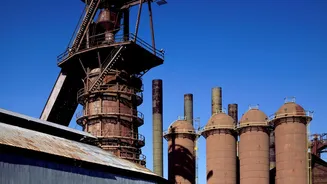
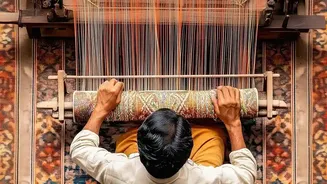
The industrialisation of Coimbatore's textile sector began in the late 19th century. The pivotal moment came in 1888 with the establishment of the Coimbatore Spinning and Weaving Mills, popularly known as Stanes Mill, founded by Sir Robert Stanes. This marked the beginning of a new era, transitioning from traditional handlooms to mechanised production. The arrival of the railway and, crucially, the commissioning of the Pykara hydroelectric project in 1932, provided the city with abundant, cheap power. This ignited a boom, and dozens of textile mills sprouted across the landscape, mimicking the industrial explosion that had occurred in Manchester, England, during its own Industrial Revolution.
Why 'Manchester'?
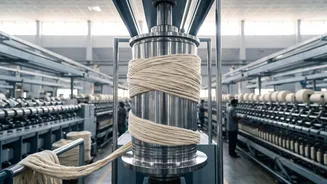
The comparison to Manchester was no coincidence. Just as Manchester became the global epicentre of the textile industry, powered by its numerous mills, Coimbatore became the undisputed textile capital of South India. The city developed an entire ecosystem around textiles, from ginning and spinning to weaving and dyeing. It wasn’t just about the mills; it was about the concentration of the entire production chain in one place. This density of textile activity, coupled with its reliance on cotton from surrounding fields, created a direct parallel to its English counterpart. Coimbatore became synonymous with cotton yarn, and its economy became inextricably linked to the fortunes of its mills.
An Ecosystem of Innovation
Coimbatore's success wasn't just built on production; it was also built on ingenuity. The concentration of so many mills created a demand for machinery and maintenance. This led to the rise of a robust ancillary industry, with local workshops and foundries initially starting as repair shops for textile machinery. Over time, these workshops evolved into sophisticated manufacturing units, making Coimbatore a major hub for textile machinery production in its own right. This self-sustaining ecosystem, where the textile industry spurred the growth of engineering and vice versa, was a key factor in its long-term success. The city is also home to important research institutions like the South Indian Textiles Research Association (SITRA).
A Shifting and Enduring Legacy
Today, the landscape of Coimbatore's textile industry has changed. While Tamil Nadu still accounts for a massive portion of India's spinning capacity, the era of giant, singular mills has given way to a more diversified industry. The neighbouring city of Tiruppur has emerged as a global powerhouse for knitwear, while other regional centres specialise in weaving and home textiles. Coimbatore remains a crucial anchor for the spinning sector, but it also faces modern challenges like global competition and fluctuating yarn prices. Many of the old, iconic mills that once defined the city's skyline have closed, their names now living on as bus stops or landmarks. Despite these shifts, the textile industry, which employs over a million people directly and indirectly in the region, remains a cornerstone of the local economy.