





Why Make Your Own?
The main reason to make your own chutney is simple: superior flavour. Commercial chutneys, designed for a long shelf life, often rely on high amounts of sugar and preservatives which can mask the true taste of the ingredients. When you make it at home,
you control everything. You can dial up the spice, reduce the sugar, and use the freshest seasonal produce available. This not only results in a healthier condiment with less sodium and fewer artificial additives but one that bursts with authentic flavour. Beyond the taste, there is a simple joy in the process itself—transforming a handful of fruits or vegetables into a delicious condiment that can elevate any dish.
Your Chutney Toolkit
You don’t need specialised equipment to start making chutney. All you really need is a large, heavy-bottomed pan to prevent the mixture from sticking and burning, a wooden spoon, and some clean glass jars for storage. The magic of chutney lies in its basic formula: a primary fruit or vegetable, an acid (like vinegar), a sweetener (like sugar or jaggery), and a blend of spices. The ratio is typically about two parts fruit and vegetables to one part sugar and one part vinegar, but this is highly adaptable. The vinegar and sugar act as preservatives, ensuring your creation will last.
Three Gateway Chutneys to Try
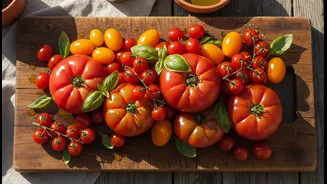
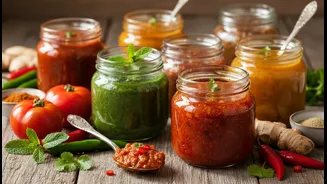
Dipping your toes into chutney making is easy with these simple starting points. First, a classic Tomato Chutney is hard to beat; it’s a versatile condiment that pairs well with almost anything. Next, a fresh Coriander and Mint Chutney offers a completely different experience. This type isn't cooked and preserved in the same way, but it is a quick, vibrant, and healthy addition to snacks and meals. It's known for its digestive benefits and refreshing taste. For something a little sweeter, an Apple or Mango Chutney is a fantastic choice. These fruit-based chutneys balance sweetness with a tangy kick from vinegar and warm spices, making them a perfect partner for cheeses and roasted meats.
Unleash Your Flavour Creativity
Once you're comfortable with the basics, the real fun begins. Chutney making is an incredibly creative process. You can experiment with endless combinations of fruits, vegetables, and spices. Think beyond the basics and try combinations like pineapple and chilli, or pear and ginger. Don't be afraid to use up whatever produce you have on hand; chutney is a brilliant way to use up fruits and vegetables that are slightly past their prime. And don't limit its use to just a side dish. Use your homemade chutney as a glaze for meats like pork or chicken, stir it into mayonnaise for a zesty dip, spread it on sandwiches and burgers for an instant flavour boost, or even mix it into a salad dressing.
Make It Last: Storage Tips
To ensure your delicious homemade chutney lasts, proper storage is key. The most important step is to sterilise your jars and lids. You can do this by washing them in hot, soapy water and then placing them in a hot oven for about 10 minutes, or simply running them through a hot cycle in a dishwasher. It's best to ladle the hot chutney into warm jars to prevent the glass from cracking. Once filled and sealed, unopened cooked chutneys can be stored in a cool, dark place for up to a year. After opening, keep the jar in the refrigerator, where it should last for at least a month. For fresh, uncooked chutneys, storing them in the freezer in ice cube trays is a great hack for convenience.