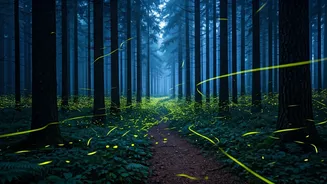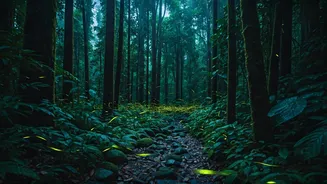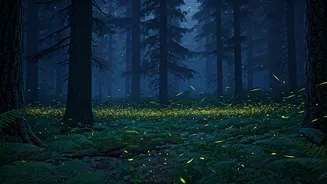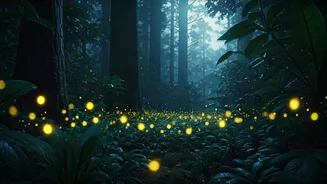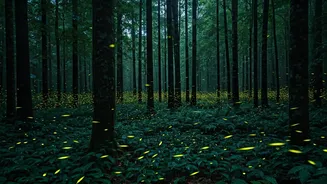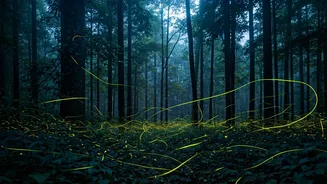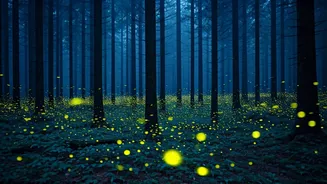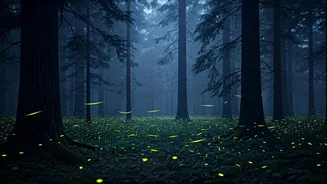



The Science Behind The Sparkle
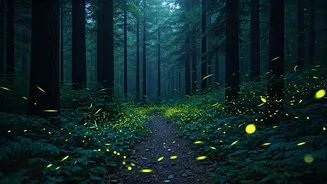
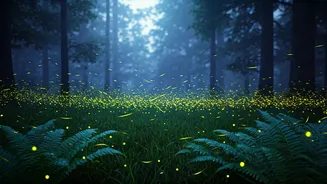
Before you dismiss it as just another trek, understand what makes this experience so unique. The phenomenon is a beautiful, biological marvel. Fireflies, which are actually beetles, use bioluminescence to communicate, primarily for mating. This dazzling
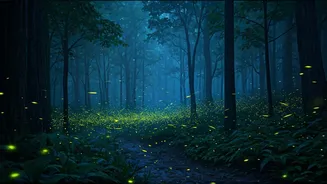
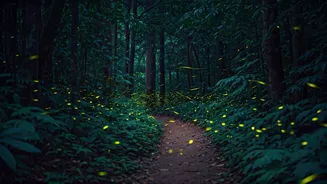
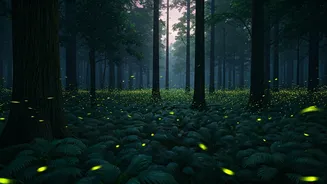
display peaks during their breeding season, which conveniently coincides with the pre-monsoon and early monsoon showers, typically from late May to late June. The moisture in the air after the first rains creates the perfect humid conditions for the fireflies to thrive and for their larvae to find food. So, the rain isn't a bug; it's a feature. It’s the very trigger that transforms dense forests into enchanting landscapes dotted with millions of tiny, flickering lights. This isn’t just a walk in the woods; it’s witnessing a grand, natural synchronised dance.
Where to Witness the Magic
While fireflies can be found in many rural pockets, certain areas in India have become famous for their sheer density of fireflies, earning the nickname 'firefly festivals'. Maharashtra is the undisputed champion of this experience. The village of Purushwadi has pioneered community-led, eco-friendly firefly tourism, offering a truly immersive experience. Trekkers and nature lovers also flock to the forts of Rajmachi and Kothaligad, where the journey to the top is rewarded with these twinkling insects lighting up the trees. Other notable spots include the Bhandardara region, known for its pristine lakes and dams, and parts of the Western Ghats in Karnataka and Goa. These destinations offer a raw, unfiltered connection with nature, far from the light pollution of cities, allowing the fireflies to put on their best show.
Planning Your Firefly Adventure
Timing is everything. The window is short and precious, lasting only a few weeks before the heavy monsoon rains set in. Aim for a trip between the last week of May and the third week of June for the best odds of a spectacular display. Booking is essential, as these spots have limited capacity and are extremely popular. Tour operators often offer packages that include transport, a local guide, and basic homestay accommodation. Pack smart: carry a light raincoat, wear comfortable trekking shoes with a good grip, and bring mosquito repellent. Since these are remote areas, mobile networks can be patchy and amenities are basic. Embrace the disconnect. The goal is to trade your screen’s glow for nature’s much more impressive version.
A Guide to Responsible Viewing
The golden rule of firefly watching is to be a silent observer. These creatures are sensitive, and their habitat is fragile. To ensure this magic lasts for generations to come, follow a simple code of conduct. First, avoid using bright flashlights. Your eyes will adjust to the dark in about 10–15 minutes. If you must use a light, cover it with red cellophane paper, which is less disturbing to the insects. Never try to catch the fireflies or put them in a jar; it disrupts their mating cycle and can kill them. Keep your voice down and move slowly and quietly. And it should go without saying, but flash photography is a major no-no. It ruins the experience for everyone and distresses the fireflies. The best souvenir you can take is a memory, not a blurry picture.