

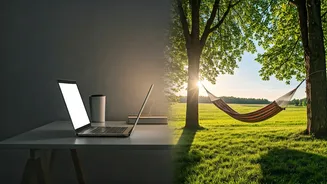



The Hustle Hangover
Remember the 2010s? It was the decade of the 'girlboss,' the side hustle that needed to become a main hustle, and the pervasive feeling that if you weren't optimising every waking moment, you were falling behind. Our social media feeds were slick, minimalist,
and relentlessly positive. Every meal looked like it came from a magazine shoot, every vacation was an epic adventure, and every career move was a step up the ladder. The pressure was immense. This relentless pursuit of a flawless, monetisable existence, often called 'hustle culture,' left many feeling exhausted, inadequate, and utterly burnt out. The promise of 'having it all' started to feel more like 'doing it all,' and the cracks began to show.
Embracing the 'Good Enough'
The refreshing trend taking its place doesn't have a single, catchy name yet, but its essence is a collective exhale. It’s the move towards 'good enough.' It’s the rise of 'de-influencing,' where creators tell you what *not* to buy, saving you money and mental space. It’s the joy of having a hobby—like baking, painting, or gardening—with no intention of ever opening an Etsy shop or becoming a brand ambassador. This mindset, sometimes called the pursuit of a 'soft life,' prioritises peace over performance. It’s about consciously rejecting the notion that every aspect of your life must be polished, professionalised, and presented for public consumption. It's the unfiltered photo dump on Instagram that captures a messy, joyful weekend, replacing the single, perfectly-posed shot.
A Post-Pandemic Shift
Why is this happening now? The global pandemic was a massive catalyst. It forced a worldwide pause, compelling millions to confront their priorities away from the daily grind. For many, the fragility of life and the futility of chasing endless professional validation came into sharp focus. Health, relationships, and personal well-being suddenly felt more important than climbing another rung on a corporate ladder that might not even be there tomorrow. For Gen Z entering the workforce, who witnessed the burnout of their Millennial predecessors, this isn't a reaction but a starting point. They are seeking 'lazy girl jobs'—not out of laziness, but as a strategic choice for roles that offer a decent salary and a firm 5 PM cutoff, leaving ample time and energy for life itself.
From 'Perfect' to 'Present'
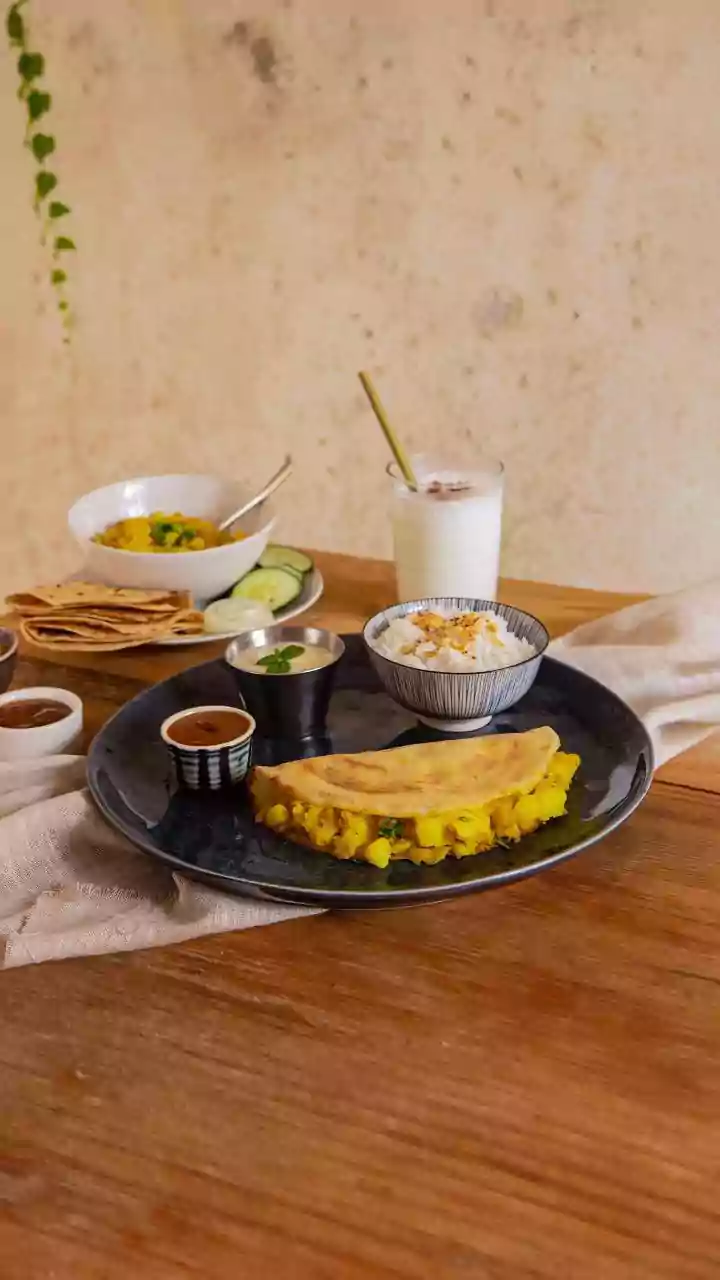
So what does this look like in day-to-day life? It’s cooking a simple dal and rice because it’s comforting, not because it will look good on your Reels. It's reading a book for the pure pleasure of it, without needing to post a review on Goodreads. It's saying 'no' to social events that drain you and 'yes' to a quiet evening at home. It’s about choosing a job that facilitates your life, not one that consumes it. This shift is a quiet rebellion against the tyranny of the algorithm, which rewards consistency, perfection, and constant engagement. Instead, people are choosing to be present in their own lives, valuing real-world connections and internal satisfaction over external validation and digital applause.
The Joy of Lowering the Stakes
The most refreshing part of this trend is the profound sense of relief it offers. By lowering the stakes, we reclaim our most valuable resources: our time, our attention, and our mental health. When not every meal needs to be a masterpiece and not every weekend needs to be an adventure, we create space for spontaneity, rest, and genuine discovery. The pressure to perform dissipates, and with it, the crippling anxiety of comparison. It allows us to be human—flawed, messy, and beautifully imperfect. It’s a return to an older, wiser way of being, where life is something to be lived and experienced, not just documented and branded.