




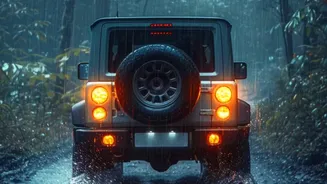

Before You Leave Home
The best way to handle a rainy day commute is to prepare before you even step out the door. Start by checking the weather forecast on reliable apps like the IMD's 'Mausam' or other services that provide hyper-local precipitation updates. If heavy rain is predicted,
the simplest solution is often to leave earlier than usual. Traffic will inevitably slow down, and public transport may face delays. It's also wise to check local traffic police social media feeds or apps for real-time information on waterlogging and road closures. This simple step can help you reroute and avoid getting stuck. Finally, let someone know your travel plans, especially if the weather is severe.
Your Vehicle's Monsoon Checklist
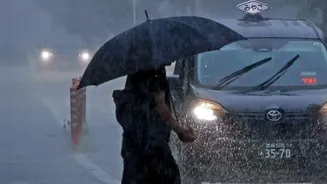
Your vehicle is your first line of defence. For cars, the most critical checks are tyres, brakes, and wipers. Ensure your tyres have adequate tread depth—at least 3mm is recommended for monsoon safety—to prevent skidding on slick roads. Wet roads significantly increase braking distances, so ensure your brake pads and fluid are in top condition. Replace wiper blades that leave streaks or squeak; clear visibility is non-negotiable in a downpour. Also, test all your lights—headlights, tail lights, and indicators—as they are crucial for being seen by other drivers in low-visibility conditions. For two-wheeler riders, a poncho-style raincoat that covers you and your bag can be more effective than an umbrella.
Navigating Waterlogged Roads
Driving through flooded streets is one of the biggest risks during the monsoon. If you're unsure of the water's depth, do not attempt to drive through it. Hidden potholes or open manholes can cause serious accidents or vehicle damage. If you must proceed, watch other vehicles to gauge the depth and stick to the centre of the road, where the water is often shallower. Drive slowly in a low gear, keeping the engine revs high to prevent water from entering the exhaust pipe. Avoid sudden braking or acceleration. If your car stalls in water, do not try to restart it, as this can cause severe engine damage, known as hydrolock. It is often safer to abandon a submerged car than to risk getting trapped inside.
The Commuter's 'Go-Bag'
Whether you use public transport or your own vehicle, a well-stocked 'go-bag' is a monsoon essential. The first priority is protecting your electronics. A waterproof backpack or a simple rain cover can save your laptop, and keeping phones and wallets in zip-lock bags adds an extra layer of security. A fully charged power bank is crucial, as long delays can drain your phone battery. Pack a lightweight raincoat or a sturdy umbrella. It's also smart to carry a small microfibre towel, an extra pair of socks, and any personal medications you might need. Having some drinking water and light, non-perishable snacks can make an unexpectedly long journey much more comfortable.