




Why Cuts and Seasons Matter
Have you ever wondered why a recipe asks you to 'finely dice' an onion for a gravy but 'roughly chop' it for a soup? It’s not just for looks. The way you cut a vegetable changes everything: its texture, its cooking time, and even its flavour. When you cut a vegetable,
you break open its cell walls, releasing enzymes that create aroma and taste. A finely minced onion will react more strongly with oil, becoming sweeter and melting into a dish, while larger chunks will hold their shape and offer a milder bite. Pairing this knowledge with seasonal produce—which is naturally more flavourful and nutrient-dense—is a game-changer for any home cook. During the monsoon, for instance, our markets are filled with gourds, greens, and corn, all of which shine in different ways depending on your knife skills.
Mastering the Essential Cuts
You don’t need to be a professional chef to improve your cutting game. Mastering a few basic techniques will make you a more efficient and creative cook. Dice: This is about creating small, uniform cubes. A fine dice is great for bases of curries and sauces where you want the vegetable to dissolve, while a larger dice is perfect for a sabzi or stir-fry where you want distinct pieces. Julienne: This technique creates long, thin matchsticks. It’s ideal for salads, spring rolls, and quick-cooking dishes like chowmein. Vegetables cut this way cook very quickly and offer a pleasant, crunchy texture. Slice: Slicing simply means cutting into thin, flat pieces. You can slice in rounds (like a cucumber for a salad) or lengthwise (like brinjal for grilling). The thickness of your slice will determine its cooking time and texture. Chop: This is the most basic cut, often less precise than a dice. A rough chop is great for soups, stocks, and dishes where vegetables will be blended or slow-cooked until tender.
Pairing Cuts with Monsoon Vegetables
Let’s apply these techniques to some beloved monsoon vegetables available across India. Bottle Gourd (Lauki): For a classic lauki sabzi, a medium dice works best, allowing the pieces to become tender without turning to mush. If you're making koftas, however, you'll want to grate the lauki to get the right texture for the dumplings. Okra (Bhindi): To avoid sliminess, the cut is crucial. Slicing bhindi into rounds or lengthwise into halves or quarters for a 'kurkuri bhindi' stir-fry increases the surface area for a crispier result. For a sambar or gravy, a simple one-inch chop is sufficient. Corn (Bhutta): When adding corn to a pulao or salad, slicing the kernels off the cob is the way to go. If you’re making a corn soup or a creamy curry, you might want to blend the kernels after boiling, which is a different kind of preparation altogether. Pointed Gourd (Parwal): This versatile vegetable can be sliced into thin rounds for a quick stir-fry (bhujia) or cut in half and lightly scraped to be filled with masala for a stuffed 'bharwan' dish.
Building a Meal Plan Around Cuts
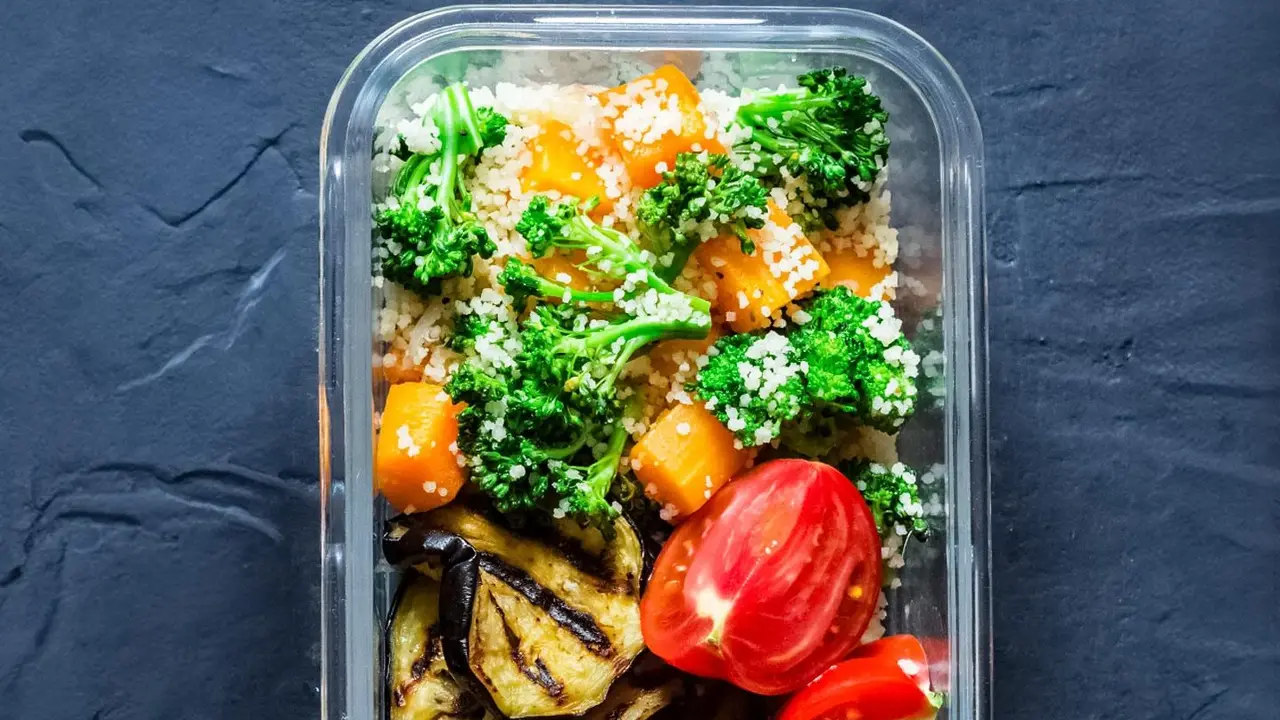
Smart meal planning isn't just about what you cook, but how you prep. By thinking in terms of cuts, you can make your weekly cooking far more efficient. Spend some time on a Sunday prepping your bases. You can dice onions, tomatoes, and carrots for the week's gravies. Julienne some capsicum and cabbage for quick stir-fries or noodle dishes. This 'prep once, cook many times' approach is a lifesaver on busy weekdays. For example, a batch of diced mixed vegetables (like carrots, beans, and peas) can be used for vegetable poha one morning, a quick upma the next, and tossed into a pulao for dinner. The key is to store your pre-cut vegetables in airtight containers in the fridge to maintain freshness.