






Understanding FD Laddering
Fixed Deposit (FD) laddering is an investment strategy where you divide a lump sum of money into multiple FDs with different maturity dates instead of putting the entire amount into a single deposit. For example, instead of investing ₹5 lakh in a single five-year
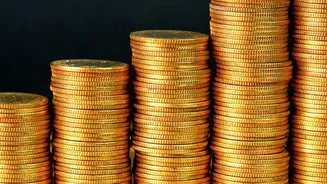
FD, you could split it into five FDs of ₹1 lakh each, with tenures of one, two, three, four, and five years. This creates a 'ladder' where each FD is a 'rung' that matures at a different time. The goal is to provide regular access to your funds while balancing returns across different interest rate cycles. As each FD matures, you have the option to either use the funds or reinvest them, typically into a new long-term deposit to keep the ladder going.
The Core Benefit: Defeating Rate Uncertainty
The primary advantage of FD laddering is how it helps you manage interest rate risk. Interest rates fluctuate based on economic conditions, and it's nearly impossible to predict their future direction. If you lock all your money into a single long-term FD and rates go up, you suffer an opportunity loss. Conversely, if you invest in a short-term FD and rates fall, you'll have to reinvest at a less attractive yield. Laddering hedges against both scenarios. If rates fall, a portion of your money is still locked in at the older, higher rates. If rates rise, you can take advantage of the higher yields by reinvesting the proceeds from your maturing short-term FDs. This staggered approach prevents your entire corpus from being tied to a single interest rate, providing flexibility and optimising your average returns over time.
How to Build Your FD Ladder: A Step-by-Step Guide
Creating an FD ladder is more straightforward than it sounds. First, decide on the total amount you wish to invest. Next, divide this corpus into several equal parts—three to five is a common and manageable number. For instance, a ₹10 lakh corpus could be split into five parts of ₹2 lakh each. Then, invest each part into an FD with a different tenure. You would open a one-year FD, a two-year FD, a three-year FD, and so on, up to five years. The key to the strategy's long-term success is consistency. As your one-year FD matures, reinvest the principal and the interest into a new five-year FD. The following year, when the original two-year FD matures, you do the same. Over time, you will have a portfolio of long-term FDs, with one maturing every single year, giving you the benefit of higher long-term rates combined with annual liquidity.
Enhanced Liquidity and Financial Planning
One of the most practical benefits of laddering is improved liquidity. Since a portion of your investment matures at regular intervals, you have predictable access to cash without needing to break a larger deposit prematurely and incur penalties. This can be incredibly useful for planned expenses like annual insurance premiums, children's school fees, or travel. For retirees, it can create a steady, periodic cash flow to supplement their income. By aligning the maturity dates of your FDs with expected financial commitments, the ladder becomes a powerful tool for disciplined financial planning, ensuring funds are available precisely when you need them.
Potential Downsides to Consider
While effective, FD laddering is not without its drawbacks. The strategy requires more active management than a single deposit; you'll need to track multiple maturity dates and reinvestment instructions. Furthermore, laddering is a method for optimising returns and managing risk, not necessarily maximising them. In a consistently falling interest rate environment, reinvesting your maturing FDs will be at progressively lower rates, which can drag down your overall yield. Additionally, the returns from FDs, even when laddered, may not keep up with inflation over the long term and will generally be lower than returns from market-linked investments like equities.