



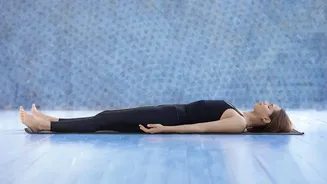


In the search for ways to boost mental wellbeing, yoga and dance stand out as powerful, popular practices. But they work in different ways. This isn't about which is better, but about which is better for you. Let's compare.
The Common Ground: Movement as Medicine
At their core, both yoga and
dance are mind-body practices. They use physical movement to influence your mental and emotional state. Any form of physical activity is known to release endorphins, the brain's natural mood elevators, which can help reduce symptoms of depression and anxiety. Both practices also help lower levels of cortisol, the body's primary stress hormone. Whether holding a yoga pose or learning a dance routine, you are encouraged to be present, shifting focus away from daily worries and onto your body's movement and breath. This shared foundation makes both excellent tools for improving mood and managing stress.
Yoga: The Path of Introspection and Calm
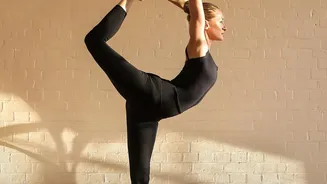
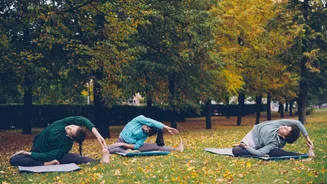
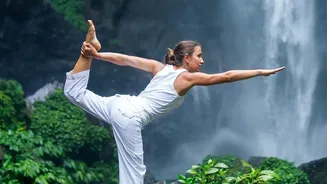
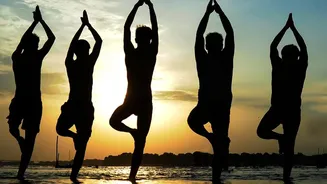
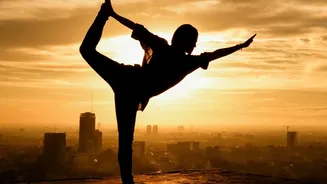
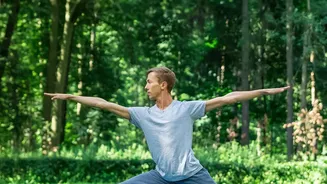
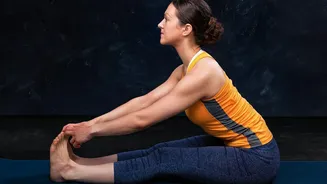
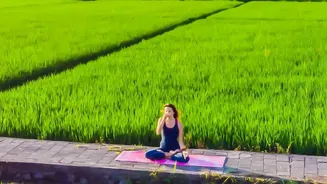
Yoga's primary strength lies in its ability to calm the nervous system through deliberate, controlled movements and breathwork (pranayama). The practice emphasizes turning inward, building awareness of your physical sensations and mental state without judgment. This focus on mindfulness can be profoundly soothing. By activating the parasympathetic nervous system—our 'rest and digest' state—yoga helps shift the body out of a chronic 'fight or flight' response. This makes it particularly effective for managing chronic stress and anxiety, helping to build long-term emotional resilience and a sense of inner stability. For those seeking to quiet a racing mind and foster a deeper connection with themselves, yoga offers a structured path to tranquility.
Dance: The Joy of Expression and Connection
Where yoga is often introspective, dance is largely expressive. It offers a powerful outlet for releasing pent-up emotions—joy, frustration, sadness—through movement. The combination of music, rhythm, and physical exertion can be cathartic and incredibly uplifting. Studies show that dance can increase levels of serotonin, a neurotransmitter linked to happiness and well-being. Furthermore, many forms of dance are inherently social. Group classes or social dancing foster a sense of community and belonging, which are crucial for mental health. For individuals who feel energized by music and community, or who need a way to process emotions outwardly, dance provides a dynamic and joyful release.
A Tale of Two Approaches to Mood
When it comes to specific mental health goals, the choice becomes clearer. If your aim is to manage persistent anxiety or reduce the feeling of being constantly overwhelmed, yoga's focus on breath and nervous system regulation may be more suitable. One study found yoga to be statistically significant in reducing stress levels in women working from home. On the other hand, if you are struggling with low mood, lethargy, or a need for emotional release, dance can be a more direct route to an immediate mood boost. The expressive freedom allows for a physical manifestation of feelings that can be hard to articulate, providing therapeutic relief and a lift in spirits. Research has shown dance to be as effective, and sometimes more so, than other physical activities for improving emotional well-being and motivation.
How to Choose Your Practice
There is no wrong answer, only what is right for you. Ask yourself what you are currently craving. Do you need quiet and solitude, or energy and community? Are you looking to build inner resilience through mindfulness, or do you need to express your feelings through dynamic movement? If you thrive on structure and self-reflection, starting with a gentle Hatha or restorative yoga class could be a great fit. If you are seeking joy, social connection, and an emotional outlet, a beginner's salsa, hip-hop, or even a 'conscious dance' class might be the perfect choice. Don't be afraid to experiment. Try a class in each discipline and pay attention to how you feel not just during, but after the session.