




An Escape from the City Glow
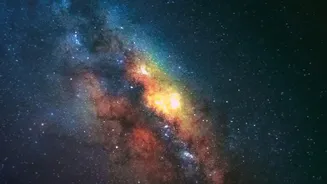
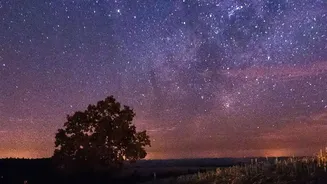
For a huge portion of the world's population, a truly dark sky is a forgotten spectacle. It is estimated that 83% of people globally live under light-polluted skies, a figure that is even higher in urban centres across India. This constant artificial
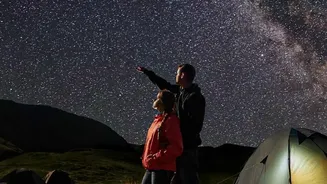
brightness has disconnected us from one of nature's most fundamental wonders: the star-filled night. In response, a powerful travel trend is emerging. Astrotourism, or travel for the primary purpose of stargazing, is booming as people actively seek a digital detox and a reconnection with the natural world. The appeal lies not just in seeing stars, but in the profound sense of awe and perspective that comes with it. Studies suggest that stargazing can reduce stress and foster a sense of well-being, making it the perfect antidote to our hyper-connected, modern lives.
More Than Just Looking Up
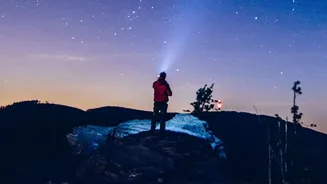
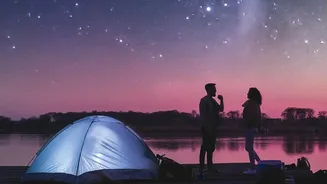
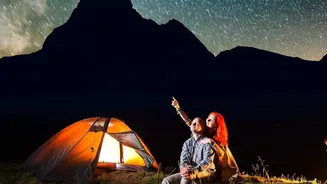
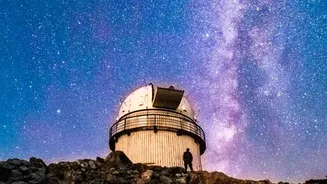
Modern astrotourism offers far more than just laying on a blanket and looking at the sky. The experiences have become as varied as the constellations themselves. Travellers can chase the Northern Lights in Iceland, join a 'star party' at a national park, or attend astrophotography workshops to capture their own cosmic images. In India, companies are curating immersive experiences that blend stargazing with adventure and local culture. These can range from overnight camps in the desert with telescopes and expert guides to stays in dedicated astro-resorts. The goal is to make the cosmos accessible, transforming a simple view into a memorable, educational, and often deeply moving event. It’s about experiencing the universe, not just observing it.
India’s Celestial Hotspots
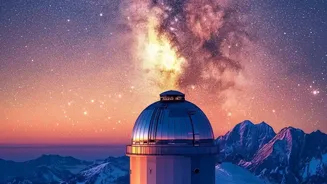
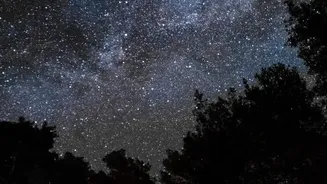
India, with its diverse geography, boasts some of the most spectacular dark-sky locations in Asia. The high-altitude, arid deserts of the Himalayas are a stargazer's paradise. Hanle in Ladakh, perched at 4,500 metres, is home to India's first-ever Dark Sky Reserve. Its pristine, Bortle Class 1 skies mean the Milky Way can be so bright it casts a faint shadow. Local villagers have even been trained as 'Astronomy Ambassadors' to guide visitors. Spiti Valley in Himachal Pradesh is another jewel, with villages like Kaza and Kibber offering incredibly clear views above 4,000 metres. For those seeking different landscapes, the vast, flat expanse of the Rann of Kutch in Gujarat offers a surreal 360-degree view of the sky, where starlight can reflect off the white salt desert. In the south, the coffee plantations of Coorg in Karnataka provide a quieter, lush green setting for celestial observation away from the monsoon season.
Planning Your Cosmic Journey
A successful stargazing trip requires a bit of planning. The most crucial element is timing. To see the maximum number of stars and the Milky Way in its full glory, you must travel during the new moon phase, when the sky is at its darkest. Checking the lunar calendar is essential before booking any trip. Also, consider seasonal celestial events. Annual meteor showers like the Perseids in August or the Geminids in December can turn a great night into an unforgettable one. When choosing a destination, look for places with minimal light pollution, often found in national parks, wildlife sanctuaries, or designated dark sky reserves. Many operators now offer curated tours that provide telescopes and expert guidance, which is a great option for beginners. Pack warm clothing, as even desert locations can get cold at night, and most importantly, bring a sense of patience and wonder.