





The Snack You've Never Heard Of (But Your Aaji Has)
Before you google it, let’s break it down. Sandige, also known as vadam or fryums in some regions, are sun-dried crisps that form a cornerstone of South Indian culinary tradition. The most basic version is a masterclass in frugality and flavour. It begins
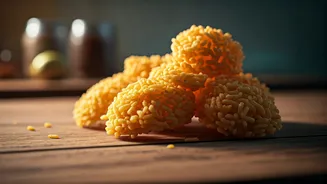
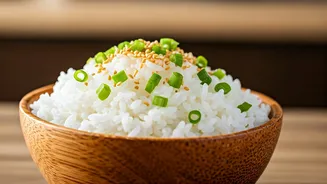
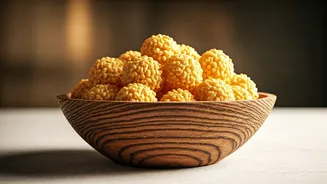
with leftover cooked rice, which is mashed into a paste, seasoned with ingredients like cumin, asafoetida, or chillies, and then painstakingly piped or spooned into small shapes onto a cloth or plastic sheet. These are left to dry under the hot sun for days until they become hard, translucent discs. When deep-fried, they explode into light, airy, and incredibly crunchy snacks. It’s the ultimate ‘zero-waste’ recipe, turning what would be discarded into a pantry staple that lasts for months.
A Crunchy Connection to the Past
For many millennials and older generations, the image of sandige-making is deeply nostalgic. It evokes memories of grandmothers (aajis, paatis, ammammas) commandeering the terrace during peak summer, the white sheets covered in neat rows of drying sandige looking like intricate rangoli. It was a community activity, a seasonal ritual tied to the rhythm of the sun and the resourceful spirit of the Indian home. This wasn't just a snack; it was a testament to a time when nothing was wasted and everything was made with patience and care. The sound of sandige crackling in hot oil was the unofficial announcement of a special meal or a perfect rainy-day treat.
Why Is Gen Z Tuning In?
So, why is a generation raised on instant noodles and imported chips suddenly interested in this laborious, ancient snack? The answer lies in a convergence of Gen Z values. Firstly, there's the powerful appeal of sustainability. The concept of upcycling leftover food resonates deeply with a generation acutely aware of climate change and food waste. Making sandige isn't just cooking; it's a political act against a throwaway culture. Secondly, health-consciousness plays a major role. By making sandige at home, you control every ingredient. There are no unpronounceable chemicals, preservatives, or artificial flavours—a stark contrast to the back of a potato chip packet. It's a clean, transparent food, and that's a huge selling point.
The Viral Power of Authenticity
Of course, a modern trend isn't complete without a social media angle. Platforms like Instagram and TikTok are filled with aesthetic, oddly satisfying videos of the sandige-making process. The visuals are compelling: the smooth mashing of rice, the rhythmic piping of the batter, the dramatic transformation in hot oil. Food influencers and everyday home cooks are sharing their family recipes, framing them not as old-fashioned chores but as acts of reclaiming cultural heritage. For Gen Z, authenticity is the new currency. In a globalised world, connecting with a tangible piece of their own family’s history is a powerful form of self-expression. It’s a way to perform and preserve identity, one crunchy bite at a time.
More Than Just a Snack Swap
While the headline might suggest a complete replacement, the reality is more nuanced. Gen Z isn't necessarily abandoning their favourite chips wholesale. Instead, the rising interest in sandige represents a broader shift towards mindful consumption. It's about creating a balance between convenience and connection, the global and the local. This trend is part of a larger movement that includes sourdough starters, home-brewed kombucha, and urban gardening. It's about finding joy in the process, not just the product. The humble sandige has become an unlikely symbol of this new food philosophy: one that is rooted in tradition, driven by sustainability, and tastes like home.