






Upgrade Your Rainwear
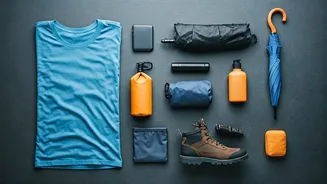
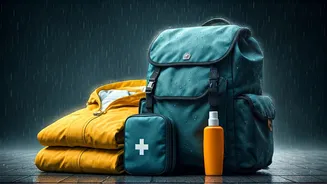
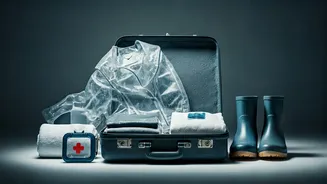
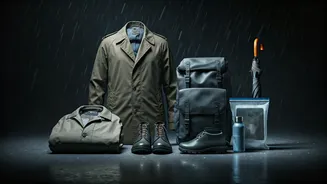
An umbrella is a good start, but it’s often no match for windy, sideways rain. Investing in a high-quality, lightweight raincoat or poncho is a game-changer. [10, 17] Look for breathable materials that won't make you sweat in the humidity and a design
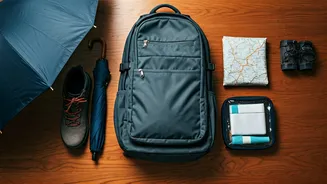
that's long enough to cover your clothes and even a small backpack. [10, 19] A sturdy, wind-resistant umbrella remains a must-have for quick dashes during lighter showers. [10]
Rethink Your Footwear
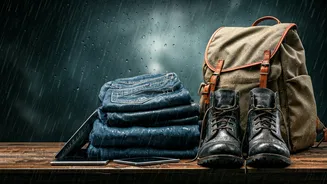
This is perhaps the most critical monsoon adjustment. Leather shoes are a definite no, as they get ruined by water and take ages to dry. [4, 12] Canvas sneakers absorb water and become heavy and smelly. [17, 23] The best choices are waterproof or water-resistant options with excellent grip to handle slippery surfaces. [4, 15] Rubber sandals, floaters, clogs, and waterproof slip-ons are ideal for daily commutes as they are easy to clean and dry quickly. [25, 26] For those who have to walk a lot, ensuring the sole is anti-slip is crucial for navigating muddy, waterlogged streets safely. [4, 25]
Protect Your Electronics
Water isn't the only enemy of your gadgets during the monsoon; high humidity is just as dangerous. [3, 6] Ambient moisture can seep into devices, causing corrosion and short circuits over time. [6] Always carry your phone, power bank, and earphones in waterproof pouches or even simple ziplock bags for an effective, low-cost solution. [2, 11] For added protection, tuck a few silica gel packets into your laptop bag or drawers where you store electronics to absorb excess moisture. [3, 6] It's also wise to unplug devices during thunderstorms to protect them from power surges. [3, 9]
Build a Commuter’s Survival Kit
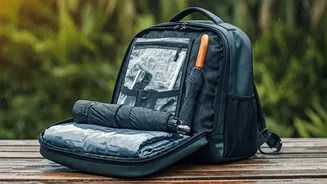
Getting caught in a downpour is inevitable. A small, dedicated kit in your bag can make all the difference. Pack a quick-dry microfibre towel, which is compact and highly absorbent. [2, 20] A spare pair of socks can save you from the discomfort of soggy feet all day. [2] Hand sanitizer is essential for hygiene, especially after wading through murky water. [8] You might also consider a waterproof bag to store your wet clothes or drenched umbrella, keeping the rest of your belongings dry. [22]
Prioritise Health and Hygiene
The monsoon is a breeding season for mosquitoes and waterborne diseases. [5, 7] Always carry a good insect repellent to protect yourself from bites that can lead to illnesses like dengue and malaria. [5, 10] It’s also wise to carry a small first-aid kit with antiseptic wipes, bandages, and any personal medications. [10, 19] Avoid eating street food that may be contaminated by rain and flies, and stick to boiled or filtered water. [5, 8] Good personal hygiene, including washing your hands frequently and keeping your feet clean and dry, can help prevent common fungal infections. [5, 14]
Be Ready for Outages
Power cuts can be more frequent during the monsoon season. A fully charged power bank is non-negotiable to keep your phone and other essential devices running. [10] It’s also a good idea to carry a small, waterproof flashlight or have one readily available at home. [2, 12] Relying solely on your phone's flashlight will drain its battery, which you might need for communication. [12]