






The Challenge of the City Sky
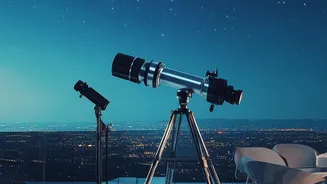
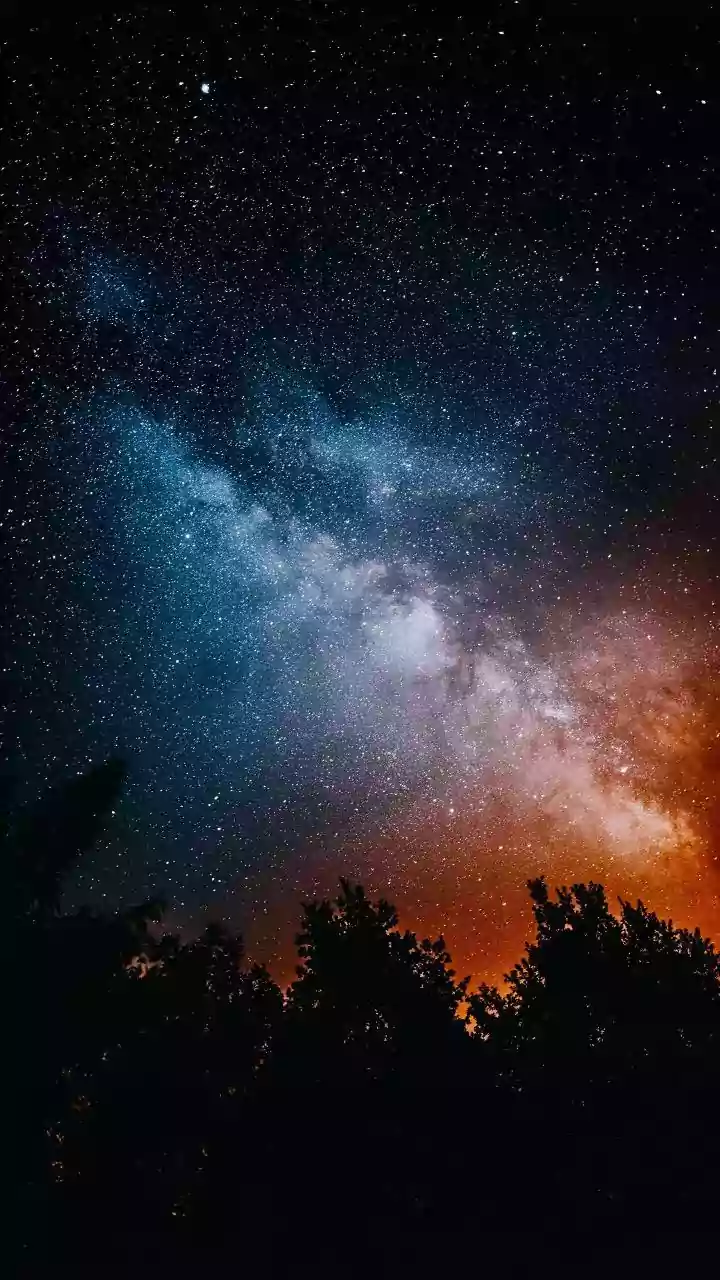
Urban light pollution is the enemy of the stargazer. Caused by excessive artificial light from streetlights, buildings, and cars, this glow scatters in the atmosphere, creating a bright veil that washes out fainter stars and distant galaxies. For many
city dwellers, the night sky appears as a blank canvas with only a handful of the brightest stars and the Moon visible. This can make trying to find celestial objects feel like a hopeless task. However, the planets in our own solar system are often bright enough to punch through this urban glare. The trick isn't necessarily about seeing more, but about knowing exactly where to look. While light pollution makes it harder, planets like Venus, Jupiter, and Saturn are still very much within reach for urban observers.
Your Phone is a Pocket Planetarium
This is where technology becomes your greatest ally. Modern astronomy apps transform your smartphone into a powerful and intuitive guide to the cosmos. Using your phone’s built-in GPS, compass, and gyroscope, these apps know your precise location and the exact direction you're pointing the device. They then display a real-time map of the sky, overlaying labels on stars, constellations, and, most importantly, planets. Even if a planet is currently invisible to your naked eye because of the bright urban sky, the app can show you its precise location relative to a building, a tree, or the horizon. This augmented reality (AR) feature effectively cuts through the visual noise, acting as a celestial signpost that says, “Look here!” Many apps also feature red-light modes to help preserve your night vision once your eyes have started to adjust to the dark.
Top Apps for Urban Planet Hunters
With countless apps available, choosing one can be daunting. For city stargazers, the best options are user-friendly and have strong augmented reality features. Star Walk 2 is a popular choice for beginners due to its beautiful visuals and easy-to-navigate interface. SkyView Lite is another excellent free option, widely praised for its simple point-and-identify AR function that works well even without a Wi-Fi or data signal. For those wanting a bit more power and accuracy, Stellarium Mobile is a fantastic choice. Based on a long-trusted desktop program, it offers a highly realistic simulation of the night sky and can show you what to expect from your specific location, even accounting for light pollution levels in its settings.
Your Planetary Hit List for September 2026
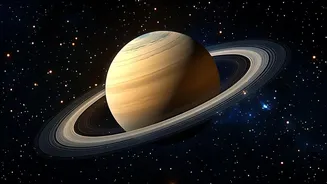
Knowing what to look for makes the hunt much easier. In September 2026, the night sky offers several bright targets perfect for urban viewing. Venus will be a stunningly bright object in the western sky shortly after sunset, reaching its peak brightness for the year this month. You won't be able to miss it. Saturn will be visible for most of the night, rising in the east not long after the sun goes down. Jupiter and Mars are morning planets, best viewed in the hours before sunrise. Jupiter, in particular, will be very bright. These planets are your primary targets, as they are brilliant enough to be spotted even against a washed-out city sky.
Tips for a Successful Viewing
To improve your chances, a little preparation goes a long way. First, find the best possible location. A park, a rooftop, or even a backyard shielded from direct streetlights can make a big difference. Higher ground can help you get above some of the worst street-level glare. Second, give your eyes time to adjust. It takes at least 15-20 minutes for your eyes to become more sensitive to low light, so avoid looking at your bright phone screen during this time. Use your chosen app to get your bearings initially, then put the phone away and just look. Finally, be patient. The planets move slowly and predictably across the sky. Once your app has pointed you in the right direction, scan that area carefully. You'll likely be surprised by what was hiding there all along.