






Choose Monsoon-Loving Plants
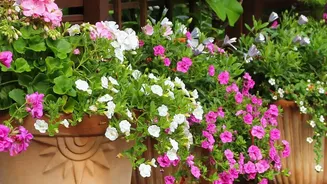
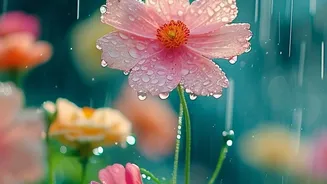
The key to a successful monsoon garden is selecting plants that flourish in high humidity and moist conditions. For vibrant flowers, consider hibiscus, bougainvillea, jasmine (mogra), marigold, and rain lily, all of which bloom beautifully during this
season. If you want to grow your own food, now is the perfect time for vegetables like okra (bhindi), tomatoes, chillies, brinjal, and various gourds. Leafy greens such as spinach and amaranth also do very well. For fragrant herbs, mint, holy basil (tulsi), and lemongrass are excellent choices that love the moist air.
Prioritise Drainage Above All
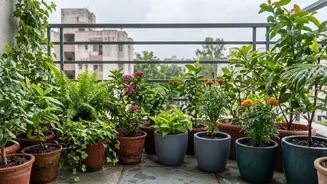
The single biggest threat to balcony plants during the monsoon is waterlogging. Constant rain can leave pots sitting in water, suffocating the roots and leading to root rot. Before the season starts, ensure every pot has clear, unblocked drainage holes. A simple but highly effective trick is to elevate your pots using bricks, small stands, or pot feet. This creates a gap between the pot and the floor, allowing excess water to escape freely and preventing your plants from sitting in puddles after a downpour. Using a well-draining potting mix containing cocopeat, compost, and sand or perlite is also crucial.
Rethink Your Watering Schedule
It may seem counterintuitive, but you still need to manage watering during the rainy season. Don't stick to a rigid summer schedule. The frequent rain and high humidity mean the soil stays moist for much longer. Before watering, always check the soil. A simple finger test works well: poke your finger about an inch into the soil. If it feels dry, it's time to water; if it's still moist, wait another day or two. Plants under a covered part of the balcony might still need manual watering, while those exposed to rain will need very little. Overwatering is a common mistake that leads to yellowing leaves and root decay.
Manage Sunlight and Protect from Rain
While the monsoon sky is often overcast, plants still need adequate light. Try to place sun-loving plants like hibiscus and bougainvillea in the brightest part of your balcony. Conversely, heavy rain and strong winds can physically damage delicate plants. If possible, move smaller pots to more sheltered spots during intense downpours. For larger, immovable plants, consider temporary shields or clustering them together for mutual support. Taller plants or climbers may need to be staked to prevent their stems from snapping under the weight of the water or in the wind.
Stay Vigilant Against Pests and Diseases
The warm, humid monsoon weather is an ideal breeding ground for pests and fungal diseases. Keep a close eye out for common pests like aphids, mealybugs, slugs, and snails, which multiply rapidly in damp conditions. Fungal issues such as powdery mildew and leaf spot are also prevalent. Good air circulation is your first line of defense, so avoid overcrowding your pots. Regularly check the undersides of leaves for any signs of infestation. An organic neem oil solution sprayed every couple of weeks can act as an effective preventive measure against both pests and fungal infections.