






Decoding 'Ultra-Processed'
First, it's important to distinguish between processed and 'ultra-processed' foods (UPFs). Most foods we eat are processed in some way—think canned beans or pasteurized milk. The NOVA classification system, a tool used by scientists, helps clarify the
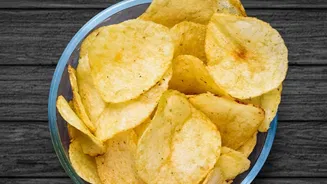
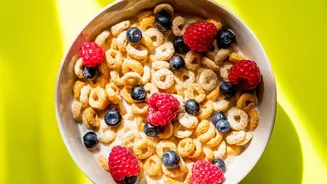
difference. Unprocessed or minimally processed foods are whole foods like fruits, vegetables, and fresh cuts of meat. Processed foods have been altered by adding salt, sugar, or oil, like cheese or traditionally made bread. Ultra-processed foods, however, are in a different league. These are industrial formulations made mostly from substances extracted from foods, like fats, starches, and proteins, plus synthetic additives. A simple rule of thumb is to check the ingredient list. If it contains items you wouldn't use in a home kitchen—such as high-fructose corn syrup, hydrogenated oils, flavor enhancers, or emulsifiers—it's likely a UPF. Examples are widespread and include many packaged snacks, sugary cereals, ready-to-eat meals, and sodas.
The Established Health Risks
For years, research has connected a high intake of UPFs to a host of negative health outcomes. Because they are typically high in added sugar, salt, and unhealthy fats while being low in fiber and nutrients, they have been strongly linked to higher rates of obesity, heart disease, and type 2 diabetes. Some studies have found that these foods now account for more than half of the average diet in countries like the UK and US. One Canadian modelling study suggested that a significant percentage of heart disease cases could be attributable to high UPF consumption, highlighting them as a major public health concern. These findings established a solid foundation for dietary advice recommending a reduction in junk food and convenience meals.
A New Warning for Your Brain
The freshest perspective comes from recent research shifting the focus from the waistline to the mind. A wave of new studies from 2026 suggests a powerful link between high UPF consumption and cognitive health. One major study led by Harvard researchers found that older adults who ate the most ultra-processed foods had a 58% higher risk of developing dementia compared to those who ate the least. The same study also revealed a 46% increased risk for milder cognitive impairment. This research moves the conversation beyond chronic physical illnesses and into the realm of neurological well-being, suggesting that what we eat has a direct and measurable impact on our long-term brain function. The findings point to potential harm not just from the poor nutritional profile but possibly from the industrial processing itself.
Engineered for Overconsumption
Another part of this fresh perspective reframes the idea of willpower. Growing evidence suggests that UPFs may be addictive by design. Researchers argue their unique combination of fat, sugar, salt, and sophisticated additives makes them hyper-palatable, meaning they are engineered to be intensely rewarding to the brain. This can trigger addictive-like eating behaviors, including loss of control and intense cravings. Some studies estimate that 14% of adults and 15% of children meet the criteria for UPF addiction, a rate comparable to addiction to legal substances like alcohol. This emerging science suggests that struggling to resist these foods isn't simply a personal failing but a predictable response to products designed to maximize consumption. The industrial processing itself may enable nutrients to be delivered in a way that hijacks our natural reward systems.
Navigating the Modern Food Environment
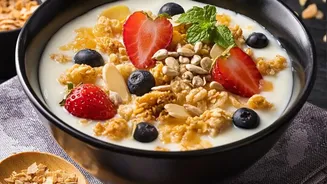
Understanding this new information isn't about aiming for a perfectly 'clean' diet, which is unrealistic for most people. Instead, it's about making more informed decisions. A recent July 2026 study adds nuance, suggesting that overall dietary quality remains the most critical factor for health, even more so than the level of processing alone. A healthy diet rich in whole foods can still be beneficial, even if it includes some processed items. The goal is to shift the balance. Start by prioritizing whole or minimally processed foods like fruits, vegetables, legumes, and whole grains. When buying packaged goods, get into the habit of reading the label. If the ingredients list is long and full of chemical-sounding names, it's a good sign the food is ultra-processed. By focusing on adding more whole foods to your diet rather than just trying to eliminate 'bad' ones, you can gradually improve your overall dietary pattern without feeling overwhelmed.