





Shielding Your Electronics from Moisture
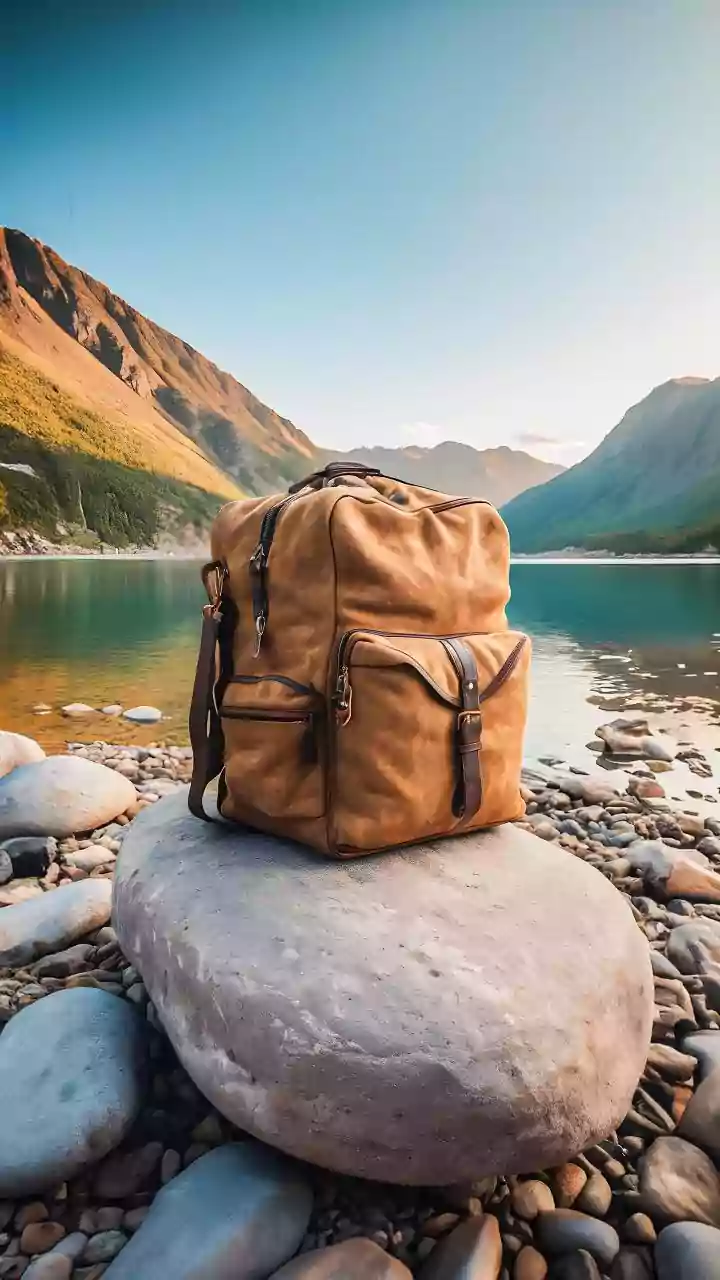
Your laptop, phone, and camera are often the most expensive and delicate items you travel with. Protecting them from humidity and rain is non-negotiable. Start by investing in a quality waterproof or water-resistant backpack with a dedicated padded laptop compartment.
For an extra layer of security, use a waterproof laptop sleeve or even a simple plastic bag before placing it in your backpack. Experienced travelers know that many standard backpacks can get saturated faster than expected. For smaller gadgets, waterproof pouches or even humble Ziploc bags are invaluable for keeping them dry. Another pro tip is to pack a few silica gel packets in your electronics bag. These small but mighty packets absorb excess moisture from the air, preventing the kind of internal condensation that can damage sensitive circuits, especially in humid climates. Remember to fully shut down your laptop, not just put it to sleep, as this prevents it from generating heat in a confined, potentially damp space.
Winning the Battle Against Mud and Damp Shoes
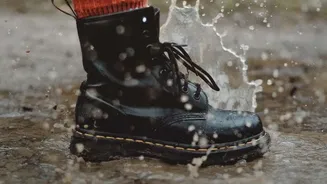
Wet, muddy shoes can make a trip miserable. The first step is choosing the right footwear. Avoid materials like suede and canvas that soak up water easily. Instead, opt for shoes made of rubber, treated leather, or other water-resistant materials that offer good grip on slippery surfaces. Many brands now offer stylish waterproof sneakers and walking shoes that don't sacrifice comfort. Before you leave, consider treating your shoes with a waterproof spray, which creates a barrier that causes water to bead off instead of soaking in. If your shoes do get soaked, never use direct heat like a hairdryer to dry them, as this can crack the material and weaken the glue. The best method is to stuff them with newspaper or paper towels, which absorb moisture naturally. Remove the insoles to let them dry separately and leave the shoes in a well-ventilated area, but out of direct sunlight. Rotating between at least two pairs of shoes gives each pair a chance to fully dry out.
Choosing Clothes That Outsmart the Rain
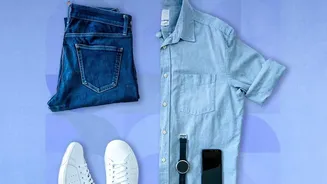
When it comes to clothing, fabric choice is everything. Cotton, while comfortable, is notoriously slow to dry. Instead, pack clothes made from quick-drying synthetic fabrics like polyester and nylon. Merino wool is another excellent choice; it wicks moisture away from your skin and dries faster than cotton. These materials ensure that even if you get caught in a downpour, your clothes will be dry and ready to wear again soon, often overnight. Lightweight fabrics like rayon and linen blends are also great for humid, wet conditions because they are breathable and don't cling. The principle of layering is your best friend on a rainy trip. A combination of a base layer, a fleece or light sweater, and a waterproof outer shell gives you the flexibility to adapt to changing temperatures and levels of rain. Finally, don't forget to pack a few extra pairs of socks—dry feet can make all the difference.
Smarter Packing for a Drier Trip
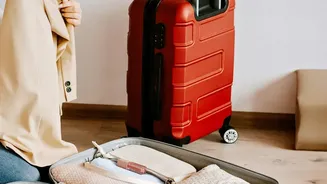
Beyond what you pack, how you pack can also provide protection. Using packing cubes or even sealable plastic bags to compartmentalize your luggage helps organize your belongings and adds another barrier against moisture. Designate one reusable, waterproof bag as a “wet bag” for any drenched clothing to keep it separate from your dry items. A small, microfibre travel towel is another essential; it's super absorbent and dries much faster than a standard towel, making it perfect for mopping up spills or drying off after a sudden shower. Also, consider where you store important documents like passports and tickets. Keep them in a waterproof pouch or a sealed Ziploc bag to ensure they stay legible and intact, no matter the weather. A little organization inside your luggage goes a long way in keeping the rain on the outside.