







The Pinch in Your Pocket
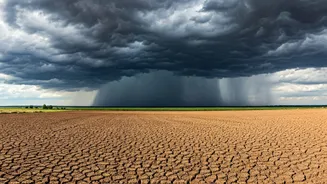
The most immediate and noticeable impact for city dwellers is the rise in food prices. A deficient monsoon disrupts the sowing of key kharif crops like rice, pulses, and oilseeds. This reduced agricultural output tightens the supply of essential food items.
While large buffer stocks of grains can cushion the blow, the prices of perishable goods like vegetables are particularly volatile. The fear and expectation of shortages can lead to hoarding and further price spikes, meaning your weekly grocery bill for tomatoes, onions, and other staples can climb significantly, directly affecting your household budget. A weak monsoon can also dampen rural incomes, which in turn reduces demand for goods and services, impacting sectors from consumer goods to two-wheelers.
When the Taps Run Dry
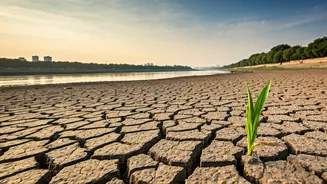
For urban residents, water security often feels disconnected from the seasonal rains, but it is deeply linked. India's major cities depend heavily on reservoirs that are replenished by monsoon rains. A delayed or weak monsoon means these reservoirs don't reach their full capacity. This has a direct consequence, leading to water rationing and supply cuts in major hubs like Mumbai, Bengaluru, and Chennai, often for months at a time. As of late June 2026, water shortages have been reported across the country as the monsoon's start has been weak and erratic. In some cities, municipal bodies have already been forced to stop supplying water for non-essential activities like construction to preserve dwindling stocks for drinking needs.
Flickering Lights: The Energy Connection
A significant portion of India's electricity comes from hydropower, which is entirely dependent on adequate water levels in dams. A poor monsoon leads to lower water levels, which means less force to turn the turbines and, consequently, reduced power generation. This shortfall puts immense pressure on the grid. States like Kerala have already faced a worsening power crisis due to weak rains reducing reservoir levels to alarmingly low percentages. To compensate, power companies must rely more heavily on thermal power, increasing fuel costs and potentially leading to surcharges on your electricity bill. In a double blow, the hot, dry weather associated with a weak monsoon also increases the demand for power as more people turn on their air conditioners, straining the supply-demand balance even further.
A Drag on the Broader Economy
While India's economy has diversified and is less dependent on agriculture than in past decades, the monsoon's influence remains powerful. A struggling agricultural sector, which still employs a large portion of the workforce, creates a ripple effect across the entire economy. Lower rural incomes mean reduced spending on everything from tractors and motorcycles to everyday consumer goods, which can slow down industrial growth. Economists note that rising food inflation complicates monetary policy for the Reserve Bank of India. While structural reforms have improved the economy's resilience, a significant monsoon deficit is still capable of moderating overall GDP growth.