




The 'Superfood' Advantage
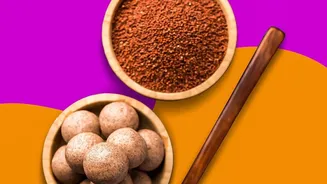
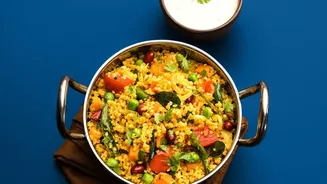
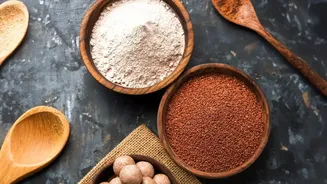
The primary driver behind the millet resurgence is its powerful health narrative. Branded as a 'superfood', millets are nutritional powerhouses. They are naturally gluten-free, making them suitable for people with gluten intolerance or celiac disease.
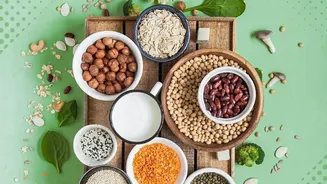
Furthermore, they are rich in dietary fibre, protein, antioxidants, and essential minerals like iron, calcium, and magnesium. This impressive profile resonates strongly with an increasingly health-conscious urban population. For those looking to manage weight or control blood sugar, millets are an excellent choice due to their low glycemic index, which helps prevent sharp spikes in blood sugar after meals. These scientifically-backed benefits provide a solid foundation for the superfood claims that brands are now leveraging.
A Major Push from the Top
The trend isn't purely market-driven; it received a significant boost from the Indian government. India's proposal led the United Nations to declare 2023 as the 'International Year of Millets'. This global initiative, heavily promoted within the country, aimed to raise awareness about the benefits of millets for consumers, cultivators, and the climate. The campaign successfully began to shift the perception of millets from a humble, rural staple to a modern, desirable grain. By rebranding them as 'Nutri-Cereals' back in 2018 and consistently promoting them through various missions, the government has created a fertile ground for millets to be rediscovered by the masses.
A Healthier Festive Indulgence
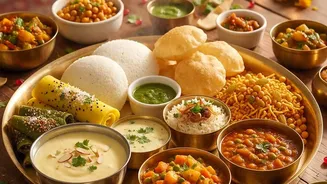
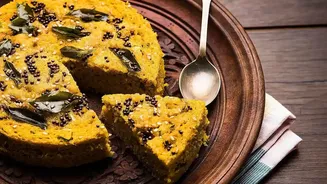
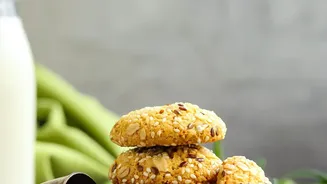
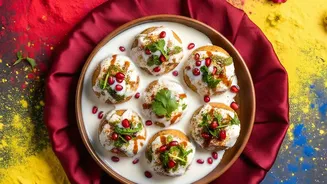
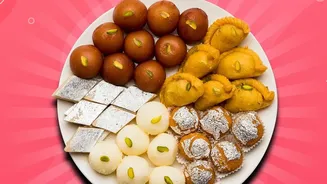
Festive seasons in India are synonymous with indulgence, often involving sweets and snacks laden with refined flour (maida), sugar, and oil. However, there's a growing awareness and desire for healthier alternatives. Consumers are actively seeking ways to celebrate without compromising their health goals. This is where millet-based snacks find their perfect market. They offer a 'best of both worlds' solution: the joy of traditional festive snacking in a healthier format. Brands are tapping into this by launching millet versions of beloved classics like chivda, sev, mathri, and even cookies and cakes, allowing people to enjoy familiar flavours with a guilt-free conscience.
Brands Capitalise on the Grain's Comeback
The food industry has been quick to respond to this confluence of health consciousness and government promotion. The Indian millet snacks market is a rapidly growing segment, with both established companies and new startups launching innovative products. These snacks are being positioned not just as healthy but also as tasty and convenient. Packaging highlights terms like 'gluten-free', 'high-fibre', and 'high-protein' to attract discerning buyers. From baked chips and extruded puffs to traditional namkeen mixes, the variety is expanding. This commercial push makes millet products more visible, accessible, and appealing, moving them from niche health food stores to mainstream supermarket shelves and festive gift boxes.
Beyond a Fleeting Trend
The popularity of millet snacks appears to be more than just a temporary fad. The crop's inherent qualities make it a sustainable choice for the future. Millets are climate-resilient; they are hardy crops that require less water than wheat or rice and can grow in arid conditions, making them an excellent choice for farmers in a changing climate. This environmental benefit adds another layer to their appeal for conscious consumers. As India's largest producer of millets, embracing these grains supports local agriculture and strengthens food security. This combination of health, taste, government backing, and sustainability suggests that millet-based snacks are not just for a single festive season but are becoming a permanent fixture in the Indian pantry.