





An Anxiously Quiet Monsoon
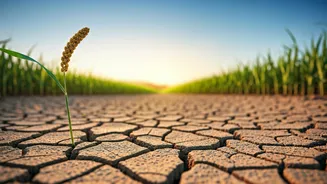
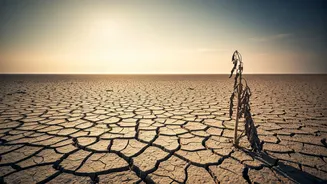
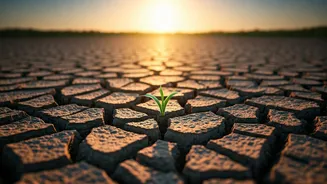
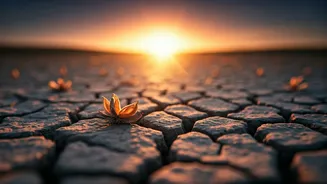
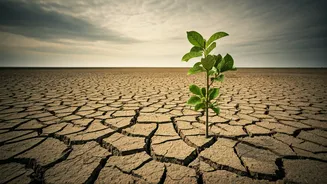
The Southwest monsoon, the lifeblood of India's agriculture, has had a worryingly slow start in 2026. By late June, rainfall across the country was more than 40% below the long-period average, with some experts calling it the driest June in over a century.
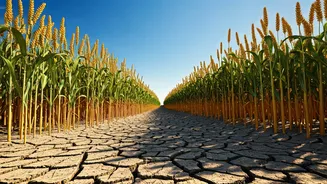
The India Meteorological Department (IMD) has forecast that the season's total rainfall may only reach 90% of the usual amount, officially classifying it as a “below-normal” year. This deficit is not just a number; it translates into tangible stress for millions. Nearly half of India's farmland lacks irrigation, making it entirely dependent on these seasonal rains for kharif crops like rice, cotton, and soybeans. The delay in the monsoon's advance across the subcontinent has already hampered the sowing of these vital crops and raised alarms about replenishing the country's reservoirs, which are critical for drinking water and hydropower.
Enter the 'Hardy Grains'
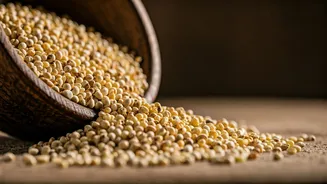
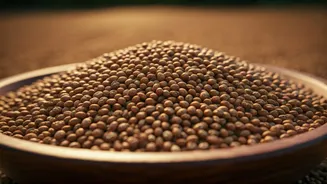
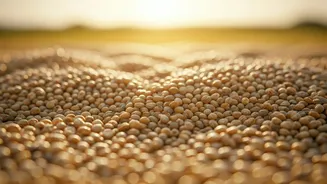
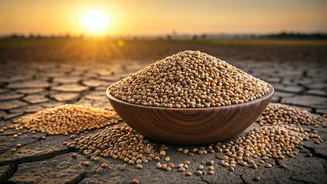
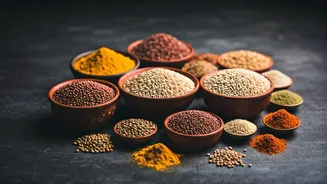
In the face of this climate-induced uncertainty, attention is shifting back to a category of ancient crops often called 'hardy grains' or 'super grains'—most notably, millets. This group includes cereals like jowar (sorghum), bajra (pearl millet), and ragi (finger millet). What makes them so relevant today is their remarkable resilience. Millets are naturally drought-resistant, requiring significantly less water than thirsty crops like rice; producing one kilogram of rice can take up to 5,000 litres of water, while millets need only a fraction of that. They are also tolerant of high temperatures and can thrive in poor-quality soil, making them perfectly suited for India’s increasingly erratic weather patterns and arid regions. This inherent toughness, developed over centuries of cultivation in challenging environments, makes them a vital tool for climate-resilient agriculture.
A Nutritional Powerhouse
The benefits of hardy grains extend far beyond the farm. Compared to refined staples like white rice and wheat, millets are nutritional powerhouses. They are significantly richer in dietary fibre, protein, and essential minerals like iron, calcium, and magnesium. For example, finger millet (ragi) contains over ten times more calcium than rice or wheat, and pearl millet (bajra) is a far superior source of iron. Furthermore, millets have a lower glycaemic index, which means they release sugar into the bloodstream more slowly. This quality makes them an excellent food for managing blood sugar levels and is a key reason why nutrition experts increasingly recommend them for diabetics. By reintroducing millets into the national diet, India can tackle both food security and nutritional deficiencies simultaneously.
From Policy Push to Practical Hurdles
Recognising their potential, the Indian government has been actively promoting millets, or 'Shree Anna'. Initiatives like the National Food Security & Nutrition Mission (NFSNM) and Production Linked Incentive (PLI) schemes are in place to encourage cultivation, processing, and consumption. The government has also promoted millets through the Public Distribution System (PDS) and awareness campaigns. However, a full-scale revival faces significant hurdles. Decades of focus on rice and wheat during the Green Revolution pushed millets to the margins, resulting in weak market linkages, a lack of high-yield seed varieties, and underdeveloped processing infrastructure. Many farmers find millets less profitable than cash crops, and post-harvest processing can be laborious. For a true comeback, consistent policy support, better procurement systems, and greater consumer awareness are all essential.