




Why Heat and Dyed Hair Don't Mix
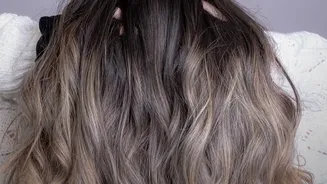
Colour-treating your hair fundamentally changes its structure. The process of bleaching or depositing permanent colour lifts the hair's outer layer, the cuticle, to alter the pigments within. This leaves the hair more porous and vulnerable. When you apply
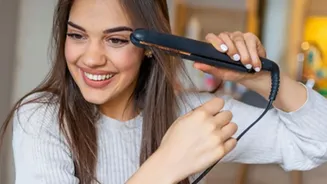
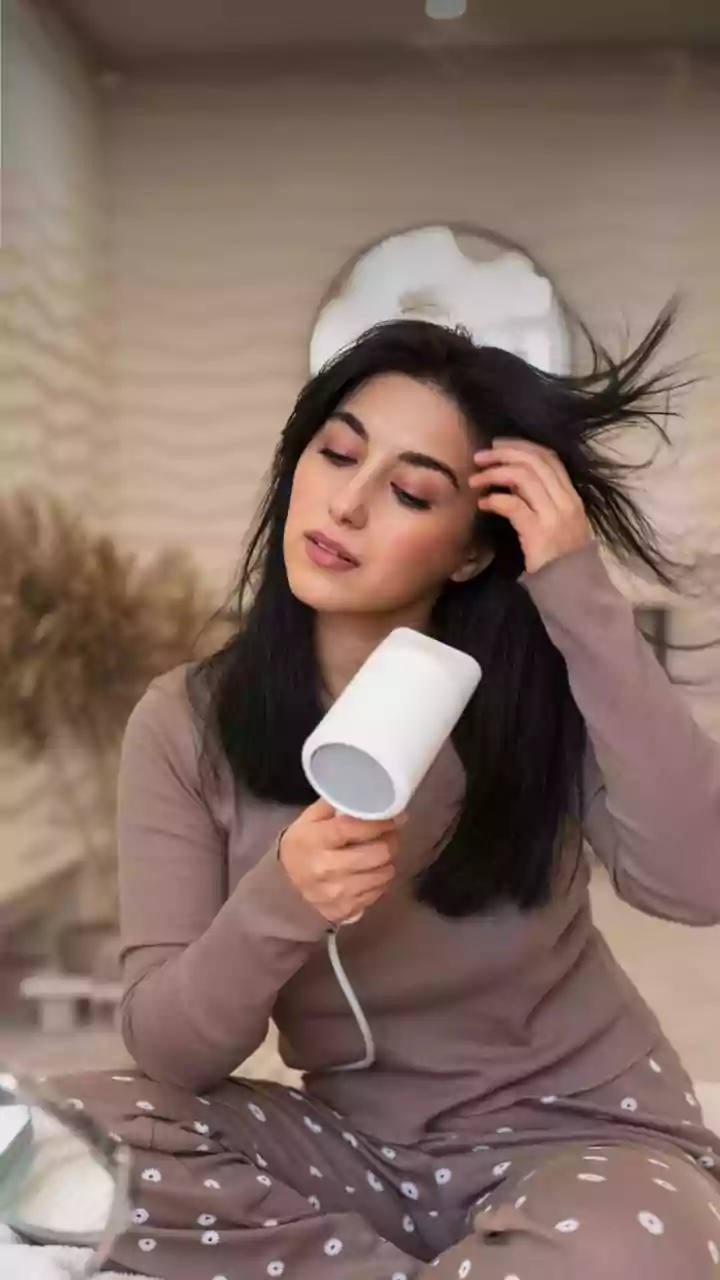
heat from a blow-dryer or flat iron, that heat can cause further damage to the already compromised cuticle, leading to breakage and frizz. For coloured hair, the damage is twofold. High temperatures not only weaken the hair's protein structure but can also degrade the artificial colour molecules, causing your carefully crafted shade to fade, dull, or turn brassy. Heat essentially opens the door for pigment to escape more easily, accelerating the fade between salon visits.
The Science of the Shield
So, how does a heat protectant intervene? It’s not magic, but it is clever cosmetic science. Heat protectants work by forming a thin, protective film around each hair strand. Key ingredients like silicones (such as dimethicone) and polymers (like PVP/DMAPA acrylates copolymer) are crucial here. These ingredients have low thermal conductivity, which means they slow down how quickly your hair heats up and help distribute the heat more evenly across the hair shaft. Instead of a concentrated blast of heat hitting one spot and causing damage, the protectant acts as a buffer, reducing the thermal shock. This shield minimizes cuticle cracking and helps the hair retain its natural moisture, which is often stripped away by heat.
Preserving Colour Vibrancy
Beyond preventing structural damage like split ends, that protective film plays a vital role in colour preservation. By smoothing and sealing the hair's cuticle, a heat protectant helps lock in the colour molecules that would otherwise escape. Think of it as closing the gate that the colouring process opened. When the cuticle is sealed and flat, your hair not only looks shinier and feels smoother, but it's also better at holding onto its colour. While no product can make your styling tools completely harmless or stop colour from fading entirely, using a protectant significantly reduces the damage that leads to premature fading. It’s a critical step in maintaining the health of your hair and the longevity of your colour investment.
How to Apply It Correctly
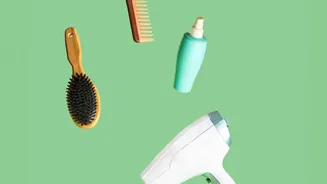
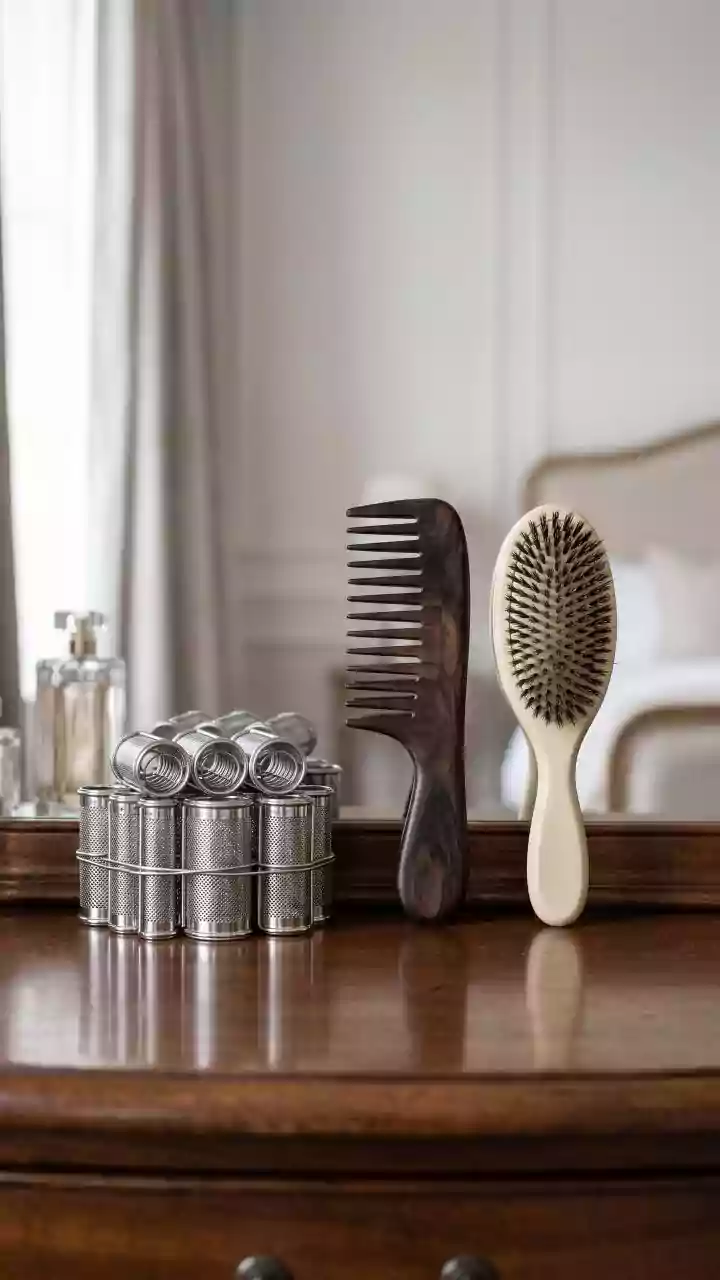
Simply misting the top layer of your hair won't cut it. For a heat protectant to work effectively, even application is essential. Start with towel-dried, damp hair before blow-drying. Divide your hair into sections and spray each one lightly from roots to ends, holding the bottle about 6-8 inches away. Pay special attention to the mid-lengths and ends, which are older and more prone to damage. After spraying, use a wide-tooth comb to distribute the product evenly, ensuring every strand is coated. This step prevents missed patches that remain vulnerable to heat. Let the product sit for a minute before you begin styling to allow the protective film to form.
What to Look For on the Label
When choosing a heat protectant for dyed hair, look for multi-tasking formulas. Silicones like dimethicone and amodimethicone are excellent for creating a protective barrier and adding smoothness. Polymers like PVP/DMAPA acrylates copolymer are also highly effective at shielding hair. Additionally, look for nourishing ingredients that support hair health. Hydrolysed proteins (like wheat or keratin) help patch and strengthen the hair shaft, which is often weakened by colouring. Humectants like panthenol (provitamin B5) and glycerin help the hair retain moisture, combating the drying effect of heat. Some formulas also contain antioxidants that further protect against damage and colour fade.