



The Real Source of Our Salt Overload
Most Indians consume about 8 to 11 grams of salt daily, which is more than double the World Health Organization's recommended limit of less than 5 grams per day. This excess sodium is a major contributor to high blood pressure, heart disease, and strokes.
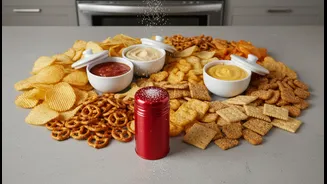
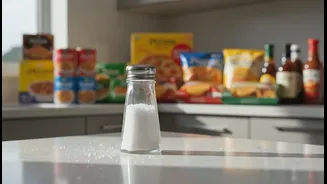
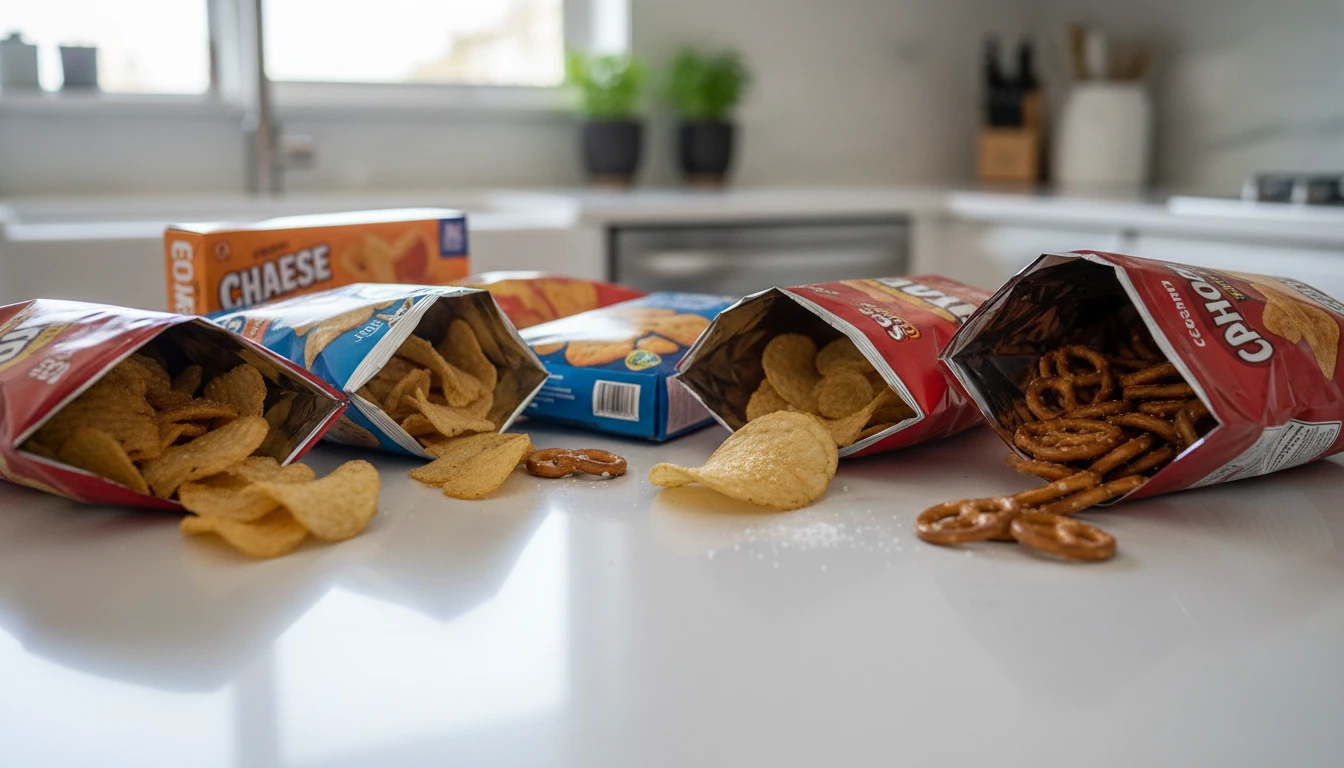
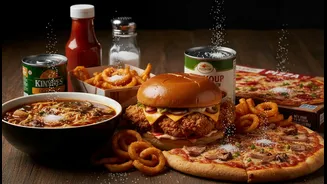
While many people focus on the salt added during cooking or at the table, that's only part of the story. A significant and often overlooked portion of our sodium intake comes from processed, packaged, and restaurant foods. From instant noodles and chips to bread and biscuits, hidden sodium is everywhere, making it difficult for consumers to control their intake even when they avoid the salt shaker.
Decoding Labels on Packaged Goods
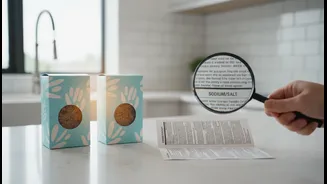
Navigating the supermarket aisle is the first step to cutting down on hidden salt. The key is learning to read the Nutrition Facts label on the back of the pack. Under FSSAI regulations, companies must list sodium content, usually per 100g. A general rule of thumb is that a product with more than 600mg of sodium per 100g is considered high in salt. Be wary of misleading serving sizes; a small packet of chips or a row of biscuits might be listed as two or three servings, making the sodium content appear lower than what you would actually consume. Look for labels like "low sodium" or "no salt added," and whenever possible, compare brands to choose the option with the least amount of sodium.
The Usual Suspects in Your Kitchen
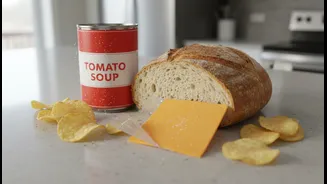
Many everyday staples are surprisingly high in sodium. Pickles and papads, for instance, are loaded with salt for preservation; a single tablespoon of pickle can contain a significant portion of your daily sodium allowance. Breads, whether white or multigrain, also contain considerable amounts of salt that add up quickly. Sauces and condiments like ketchup, soy sauce, and ready-made masalas are other major culprits. Instant noodles and soups are notoriously high in sodium, with a single packet sometimes containing more than the entire recommended daily limit. Being aware of these sources allows you to make conscious choices, such as limiting their use or finding lower-sodium alternatives.
Dining Out Without the Sodium Spike
Restaurant meals are often packed with salt to enhance flavour, but you can still enjoy eating out while being mindful of your sodium intake. Don't be afraid to make special requests. In many restaurants where food is made to order, you can ask for your meal to be prepared with less or no added salt. Opt for cooking methods like grilling, steaming, or roasting instead of fried dishes. Be cautious with gravies, dressings, and sauces, which are typically high in sodium; ask for them to be served on the side so you can control how much you use. Reading the menu carefully for words like 'pickled,' 'cured,' or 'smoked' can also help you identify high-sodium dishes.
Flavourful Food with Less Salt
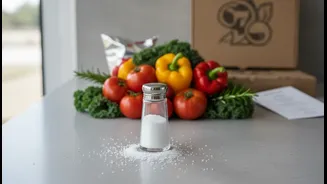
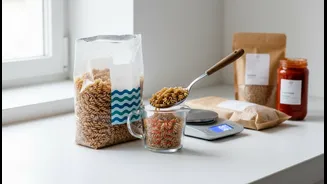
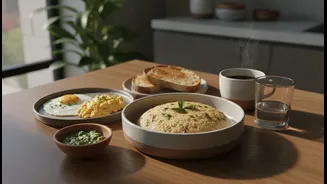
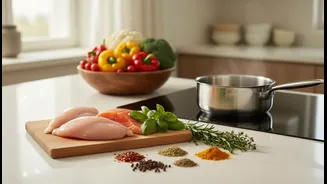
Reducing salt doesn't mean eating bland food. At home, you have the most control. Focus on cooking with fresh, whole ingredients. Instead of salt, explore the world of herbs and spices to flavour your dishes. Garlic, ginger, turmeric, pepper, lemon juice, and fresh chillies can all add a powerful punch of flavour without any sodium. When using canned goods like beans or chickpeas, rinse them thoroughly under water to wash away some of the excess salt. Simply moving the salt shaker from the dining table can also be an effective first step to break the habit of automatically adding more salt before you even taste your food.