


Why Monsoon is a High-Risk Season
The combination of high humidity and intermittent rain transforms the environment for our pets. Damp fur that never fully dries, muddy puddles teeming with bacteria, and an explosion in the tick and flea population are hallmarks of this season. The warm,
moist conditions are ideal for bacteria and fungi to multiply, leading to a significant increase in skin and ear infections. Issues like pyoderma (bacterial skin infection), yeast dermatitis, and fungal infections become incredibly common, often triggered by something as simple as a coat that remains damp for too long. Moreover, stagnant water can be a source of dangerous diseases like leptospirosis, which can be transmitted even if a pet just walks through a contaminated puddle with a small cut on its paw.
The Non-Negotiable Daily Tick Check
Ticks become dangerously active during the monsoon, hiding in grass and wet soil, ready to latch onto a passing host. These parasites are not just an itchy nuisance; they are carriers of serious blood-borne diseases like tick fever (ehrlichiosis and babesiosis), which can be fatal if not detected early. A daily tick check is therefore crucial. This five-minute routine involves methodically running your hands over your pet's entire body, paying special attention to warm, hidden areas. Be sure to check inside and behind the ears, between the toes, under the collar, in the armpits, and around the groin. Because a tick can transmit disease within hours of attaching, making this check a daily habit during the monsoon is one of the most important preventive measures you can take.
Mastering the Art of Paw Cleaning
Paws are on the frontline during the monsoon, constantly exposed to mud, dirty water, and potential allergens. This makes cleaning them after every single walk non-negotiable. Trapped moisture and debris between the paw pads can quickly lead to painful fungal and bacterial infections. The routine is simple but vital: use a soft, damp cloth or pet-safe wipes to clean each paw, making sure to get in between the toes. For particularly muddy paws, a quick rinse with lukewarm water is effective. The most critical step, however, is drying. Use a clean, absorbent towel to dry the paws thoroughly, as any lingering dampness defeats the purpose and can cause the very infections you're trying to prevent.
Beyond Paws: Skin and Coat Care
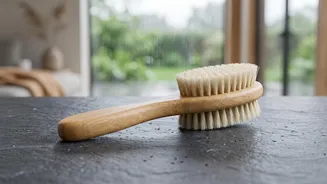
A damp coat is a catalyst for skin problems. Even short-haired breeds can retain moisture, creating a perfect environment for hot spots (acute moist dermatitis), which are painful, red, and oozing areas of skin that can appear suddenly. It is essential to towel-dry your pet thoroughly after any exposure to rain, focusing on the belly, neck folds, and under the tail. For long-haired breeds, more frequent brushing is necessary to prevent matting and improve air circulation. Consider trimming the fur between paw pads and around the ears to reduce moisture buildup. While bathing should be less frequent to avoid stripping the skin's natural protective oils, when you do bathe your pet, ensure they are dried completely.
Diet, Hydration, and Indoor Health
A pet's dietary needs can change during the monsoon. The high humidity can sometimes suppress appetite, making easily digestible, high-quality food important. Some vets recommend incorporating wet food to ensure pets stay hydrated, as they may drink less water. Always provide fresh, clean, and filtered drinking water, as stagnant water can harbor bacteria and lead to stomach issues. Inside the home, keep your pet's bedding clean and dry, washing it more frequently than usual. Keeping the home well-ventilated can also help combat the pervasive dampness.