


Understanding the Sadhya Spirit
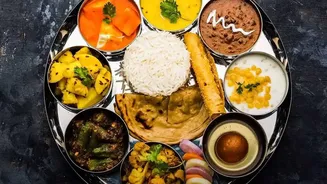
Onam, a ten-day festival culminating in Thiruvonam on August 26, 2026, celebrates the homecoming of the mythical King Mahabali. The Sadhya, meaning 'banquet' in Malayalam, is a vegetarian feast served on a banana leaf that embodies this spirit of abundance
and togetherness. Traditionally, it can have anywhere from 20 to over 60 dishes, balancing all six tastes: sweet, sour, salty, pungent, bitter, and astringent. For a beginner, the goal isn't to replicate this massive spread, but to capture its essence with a few key, well-made dishes.
Crafting a Beginner's Menu
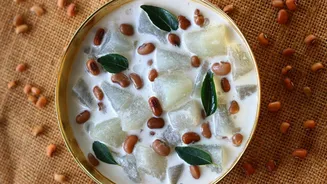
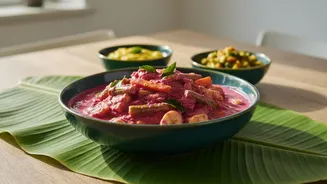
Don't try to make 26 dishes on your first attempt. Focus on a core, representative menu. A balanced beginner's Sadhya should include: Rice: Kerala’s parboiled 'Matta' rice is the foundation. Parippu & Sambar: Start with Parippu (a simple dal curry with ghee) followed by Sambar, the iconic lentil and vegetable stew. Avial: A thick mixture of assorted vegetables in a coconut and yoghurt gravy. It's a Sadhya must-have. A Thoran: This is a dry stir-fried vegetable dish with grated coconut. Cabbage or beans are great starting points. A Pachadi or Kichadi: These are yoghurt-based side dishes. Pachadi is typically sweeter (like pineapple), while Kichadi is more savoury (like cucumber or beetroot). Accompaniments: You can buy essentials like Pappadam, banana chips (upperi), and jaggery-coated chips (sharkara varatti) to save time. * A Payasam: End the meal with a sweet pudding. Palada Payasam (made with milk and rice flakes) or Parippu Payasam (moong dal and jaggery) are classic choices.
Your Strategic Shopping List
Planning is everything. A week before, finalise your menu and create a detailed shopping list. Group items by category: fresh vegetables, lentils and grains, coconut products, and spices. Core vegetables include raw banana, pumpkin, elephant yam, drumsticks, and snake gourd. For flavour, you'll need staples like mustard seeds, curry leaves, turmeric, and asafoetida. The most crucial ingredient is coconut—you'll need it grated, as milk, and as oil for frying and flavouring. Creating a list prevents last-minute panic and ensures you have everything on hand.
The Day Before: Prep for Success
Your future self will thank you for prepping in advance. The day before Thiruvonam is for chopping and preparing. You can wash and cut most vegetables and store them in airtight containers. Grating coconut is another time-consuming task that can be done ahead. You can also prepare the paste for your Inji Puli (ginger-tamarind pickle) and even cook the payasam, as its flavour often deepens overnight. Getting these tasks out of the way makes the main cooking day far less chaotic.
Cooking Day: A Timeline for Calm
On the morning of the Sadhya, start with the dishes that take the longest to cook. Begin by putting the rice on to boil. Then, move to the Sambar and Avial, as they involve multiple vegetables and simmering time. While those are cooking, you can quickly stir-fry the Thoran. The Pachadi and Kichadi, being yoghurt-based, come together quickly towards the end. Finally, fry the pappadams just before you’re ready to serve so they are hot and crisp. This staggered approach ensures everything is fresh and ready at the same time.
The Art of Serving
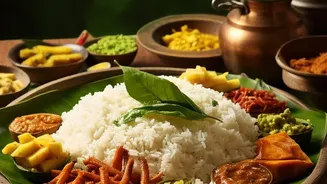
The presentation is part of the tradition. The Sadhya is always served on a banana leaf, with the narrow end pointing to the left of the guest. There's a specific place for each item. Accompaniments like pickles and chips are placed on the top left side. The main side dishes like Avial and Thoran occupy the top right half. Rice is served in the bottom centre. The meal begins with serving Parippu and ghee over the rice, followed by Sambar. Payasam is often served as a third course, sometimes directly on the leaf.