

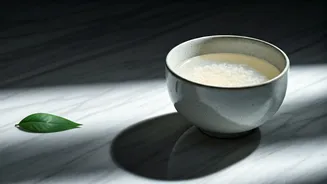
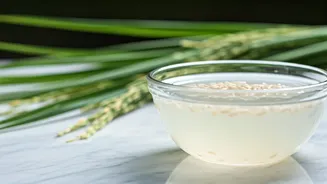


An Ancient Secret, Reimagined
Before it became a viral trend, rice water was a cherished beauty ritual in many parts of Asia. For centuries, women in China, Japan, and Korea have used the starchy water left over from rinsing rice to wash their faces and hair. The most famous example
comes from the Yao women of Huangluo village in China, who are renowned for their exceptionally long, strong, and dark hair, which they attribute to washing it in fermented rice water. This historical context suggests that its benefits are not just a modern invention but a tradition passed down through generations, now rediscovered by the global beauty community.
What’s Actually in It?
The magic of rice water lies in its surprisingly rich composition. When rice is soaked or boiled, it releases a host of nutrients into the water. This includes starches and amino acids, which are the building blocks of protein and essential for skin repair and health. It is also packed with vitamins like B and E, minerals, and powerful antioxidants such as ferulic acid. Ferulic acid is known for its ability to fight free radicals, which are unstable molecules that cause cellular damage and lead to premature ageing. Another key component is inositol, a carbohydrate that some studies suggest can help repair damaged skin and protect it from future harm.
The Potential Skin Benefits
While large-scale scientific studies are still limited, anecdotal evidence and the chemical makeup of rice water point to several potential benefits for the skin. Many users report a visible brightening effect, likely due to the enzymes and starches that can gently exfoliate and even out skin tone. Its anti-inflammatory properties may help soothe irritation, redness, and conditions like eczema. The antioxidants present can help combat signs of ageing by protecting the skin from environmental stressors. Furthermore, some people find that it helps tighten pores and gives the skin a smoother, more refined texture. It’s seen as a gentle, natural alternative to harsher chemical treatments.
How to Make It at Home
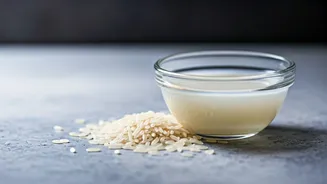
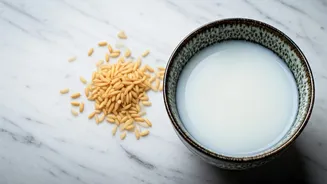
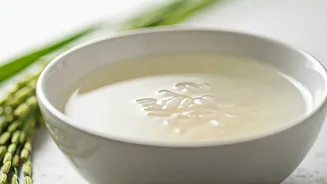
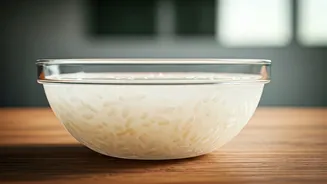
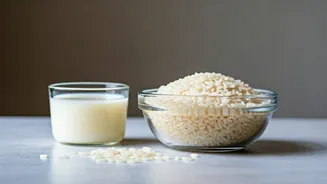
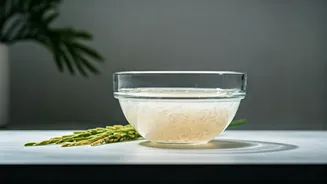
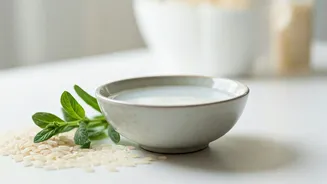
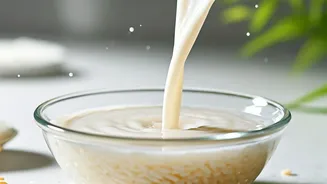
Making your own rice water is incredibly simple and cost-effective. The most common method is soaking. Start by rinsing half a cup of uncooked rice (any kind will do) once to remove any dirt. Then, place the rinsed rice in a bowl with about two to three cups of water. Let it soak for at least 30 minutes, or until the water turns cloudy. Gently swirl and press the rice to help release its nutrients. Finally, strain the water into a clean jar or bottle. For a more potent version, you can try fermenting it. Simply leave the strained rice water at room temperature for 24-48 hours before refrigerating. The fermentation process lowers the pH of the water, making it more similar to the skin's natural pH and enhancing its antioxidant levels.
Using It In Your Routine
You can incorporate rice water into your skincare routine in several ways. Use it as a facial cleanser by splashing it on your face and gently massaging it in. You can also use it as a toner; after cleansing your face, apply the rice water with a cotton pad and let it air dry. For a soothing treatment, soak a sheet mask or cotton cloths in cold rice water and apply it to your face for 15-20 minutes. It can be stored in the refrigerator in an airtight container for up to a week. Its cooling effect is especially refreshing on hot days or on sun-exposed skin.
A Quick Word of Caution
While generally safe for most skin types, rice water isn't a one-size-fits-all miracle cure. The high starch content can be drying for some people, especially if left on the skin for too long. If you have very dry or sensitive skin, start by using it sparingly. As with any new product, it's always wise to do a patch test on a small area of your skin (like behind the ear or on your inner arm) to check for any adverse reactions before applying it all over your face. If you experience any irritation, redness, or excessive dryness, it’s best to discontinue use.