

A Shift in the Traveller's Mindset
For years, the Indian travel checklist was predictable: a popular hill station, a famous beach, or a tour of monumental landmarks. Today, that is changing. Travellers are increasingly looking for more than just a pretty picture; they are seeking meaningful,
authentic experiences. This shift is driven by a desire to escape urban chaos, reconnect with nature, and discover the country's lesser-known stories. The post-pandemic world has accelerated this trend, with a greater emphasis on wellness, safety, and experiences that benefit local communities. Instead of just sightseeing, people want to participate, learn, and immerse themselves. This has opened up a world of possibilities beyond the traditional tourist circuit.
Wildlife Tourism Beyond the Tiger
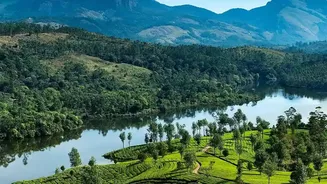
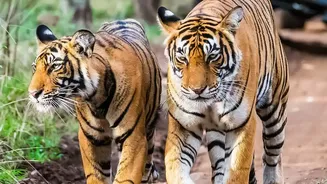
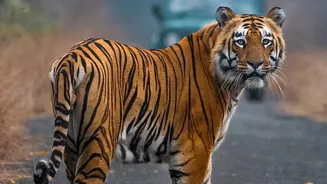
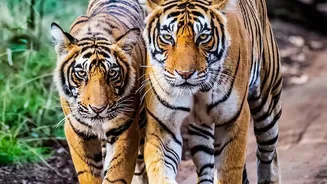
Wildlife tourism in India is no longer just about the quest for a tiger sighting in a famous national park. While the major reserves remain popular, travellers are now exploring diverse ecosystems for unique encounters. Think birdwatching in the serene wetlands of Mangalajodi in Odisha, spotting the elusive Indian gaur in Chhattisgarh's Achanakmar Wildlife Sanctuary, or trekking through the biosphere reserves of the Himalayas. This new approach is often tied to conservation, with travellers choosing eco-lodges and experiences that contribute to protecting natural habitats. This form of tourism offers a deeper appreciation for India's incredible biodiversity while supporting sustainable practices that ensure these wild places thrive for generations to come.
Heritage That Breathes
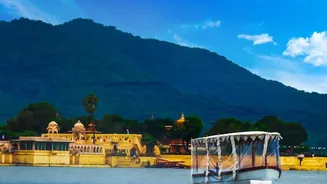
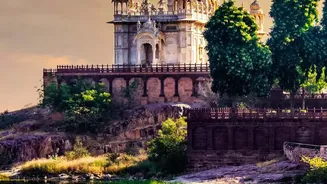
The way we experience history is also evolving. Beyond gazing at magnificent monuments, travellers now want to live inside the story. This has fueled the popularity of heritage homestays in restored havelis in regions like Shekhawati, Rajasthan, or the grand mansions of Chettinad in Tamil Nadu. These are not just places to stay; they are destinations in themselves. Visitors can explore ancient family traditions, savour regional cuisines passed down through generations, and feel the pulse of history in a way a museum visit cannot offer. One in four travellers is now venturing into smaller towns in search of these cultural experiences, signaling a move away from crowded, mainstream heritage sites.
The Pull of Rural Life
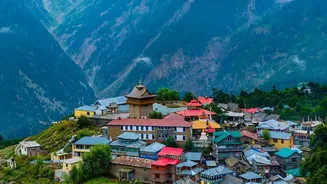
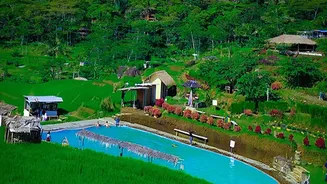
Perhaps the most significant trend is the growing appeal of rural India. Disconnecting from digital noise and reconnecting with the land has become a powerful motivator for urban dwellers. This has given rise to agritourism, where visitors can stay on farms, participate in agricultural activities, and enjoy farm-to-table meals. Community-based tourism is another key aspect, where villages invite travellers to experience their way of life, from craft workshops to local festivals. These initiatives empower local communities, create jobs, and help preserve cultural traditions. It’s a win-win: travellers get an authentic, grounding experience, and rural economies receive a sustainable boost.
The Road Ahead for Indian Travel
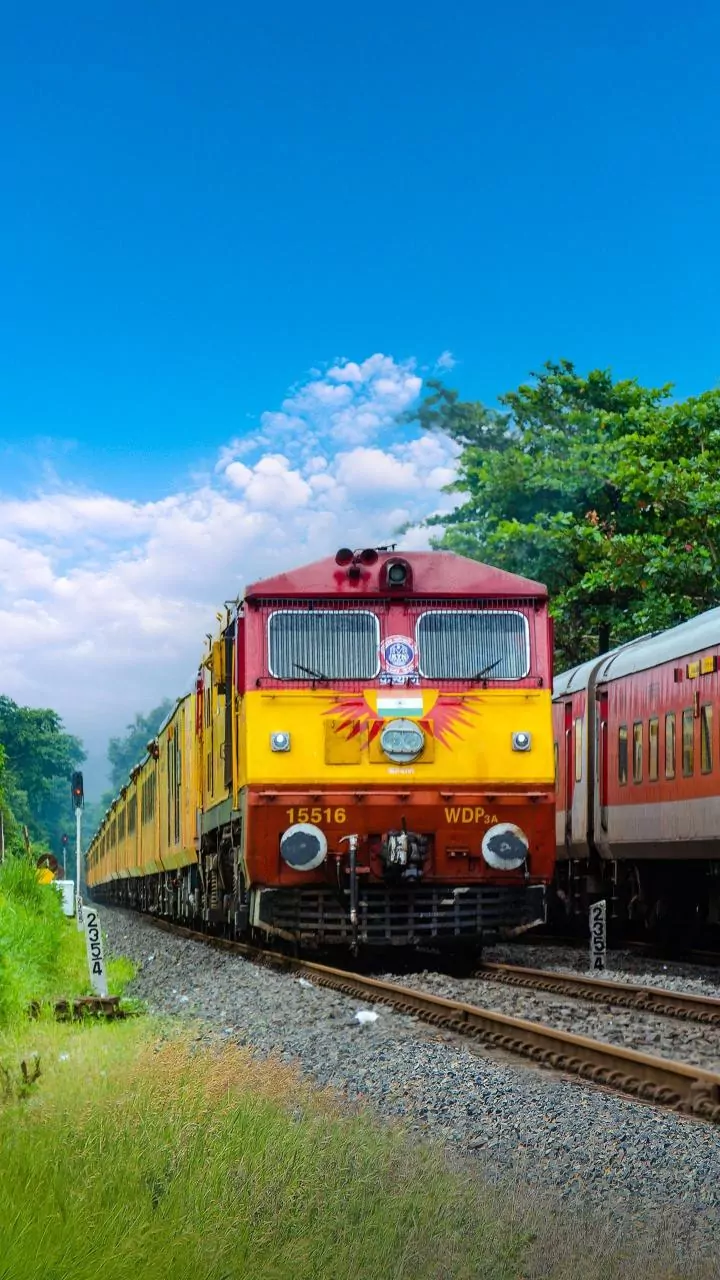
This diversification of travel is supported by several factors. Improved road connectivity, like new expressways, is creating tourism corridors that link multiple destinations. Government initiatives are actively promoting rural and homestay tourism through financial support and skill training, with a vision to make villages self-reliant. The rise of 'workations' and a growing environmental consciousness among younger travellers are also fueling this demand for slower, more immersive journeys. As more Indians seek out these unique experiences, the tourism landscape is becoming richer and more inclusive, offering a true reflection of the country's vast and varied soul.