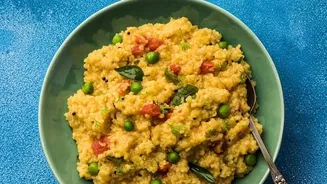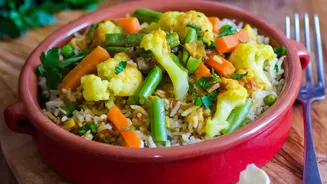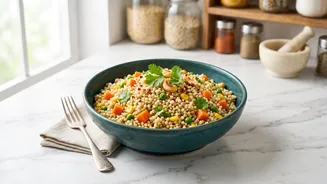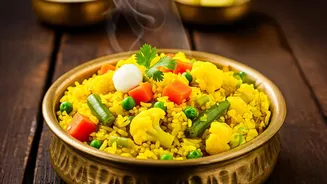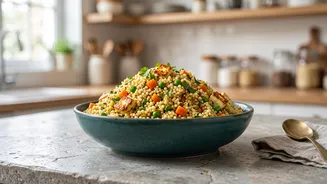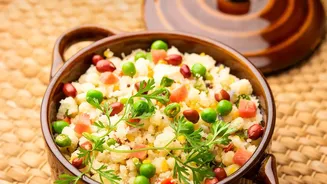


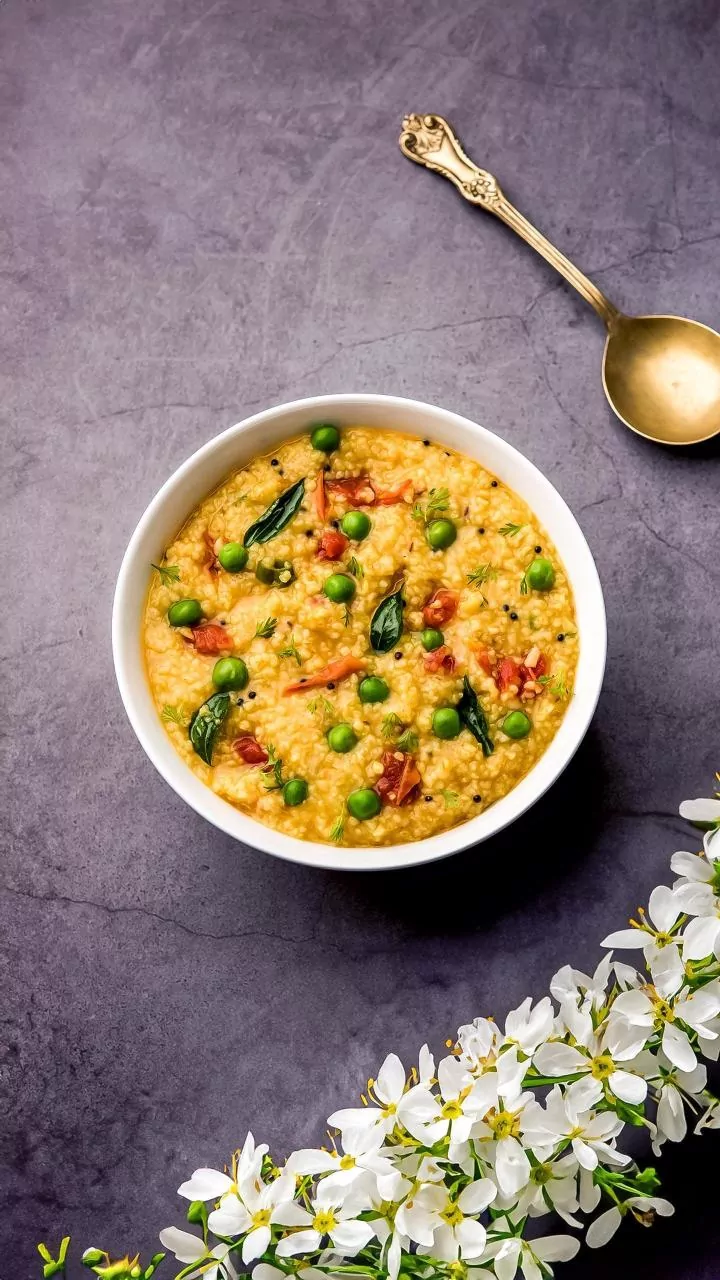
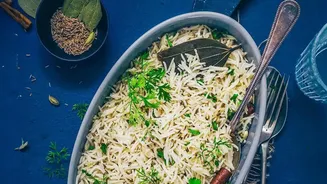

Millet pulao is a fantastic, nutrient-packed alternative to the traditional rice-based dish. But the secret to a fluffy, flavourful, and easily digestible pulao lies not just in the vegetables or spices, but in how you treat the millet itself.
Why Prepping Millets is a Non-Negotiable Step
Before you
even think about chopping your onions and carrots, the journey to a perfect millet pulao begins with the grain itself. Unlike rice, which can often be cooked straight from the bag, millets require a few preparatory steps. Why? Firstly, it’s about unlocking nutrition. Millets contain compounds like phytic acid, which can bind to minerals like iron and zinc and prevent your body from absorbing them. Proper preparation significantly reduces these 'antinutrients'. Secondly, it’s about texture and taste. A quick prep routine removes any potential bitterness, softens the tough outer layer of the grain, and ensures your final pulao is fluffy and distinct-grained, not a sticky or crunchy mess. Finally, these steps aid digestion, making the nutrient-dense grains easier on your stomach and reducing the chances of bloating.
Choosing the Right Millet for Pulao
A walk down the grain aisle reveals a confusing variety of millets, and they are not all interchangeable. For a pulao where you want separate, fluffy grains, the 'small' millets are your best bet. These include Foxtail millet (kangni/thinai), Little millet (samai), Kodo millet (varagu), and Barnyard millet (kuthiraivali). These varieties cook similarly to rice and absorb flavours beautifully. Major millets like ragi (finger millet) and bajra (pearl millet) are typically used in flour form for rotis or porridges and aren't suitable for a pulao recipe. For beginners, Foxtail millet is an excellent starting point as it is one of the easiest to cook and has a mild, nutty flavour that closely mimics a rice pulao.
Step 1: The All-Important Rinse
Never skip this step. Rinsing your millet thoroughly under running water is crucial. Place your desired amount of millet in a fine-mesh sieve and wash it multiple times, rubbing the grains gently with your fingers, until the water runs clear. This process serves two purposes: it removes any dust, debris, or powdery residue from the milling process, and it also helps wash away some of the surface compounds that can contribute to a bitter taste. Think of it as giving your grains a clean slate before you begin the more complex flavour-building process.
Step 2: To Soak or Not to Soak?
This is the most critical part of millet preparation. While some recipes say a quick 20–30 minute soak is enough, a longer soak of 6–8 hours is highly recommended for maximum benefits. Soaking activates an enzyme called phytase, which is naturally present in the grain and breaks down the aforementioned phytic acid. This makes the millet easier to digest and its nutrients more bioavailable. Soaking also softens the grain, leading to a much shorter cooking time and a more even, tender texture. The method is simple: after rinsing, cover the millets in a bowl with ample water and let them sit. For an even greater effect, you can add a splash of something acidic like lemon juice or apple cider vinegar to the soaking water. Always discard the soaking water and give the millets another quick rinse before cooking.
Step 3 : A Pro–Tip for Extra Flavour
Once your millet is rinsed and soaked, there's one optional step that can elevate your pulao from good to great : dry roasting . After draining the soaked millet , add it to the hot pan (before adding any water) and toast it for a minute or two , stirring gently . This simple action enhances the millet’s inherent nutty flavour , adds a wonderful aroma to the final dish , and further helps in keeping the grains separate once cooked . Some cooks even toast the grains in ghee along with the whole spices for an even richer flavour profile before adding the vegetables and water .
Getting the Water Ratio Right
The final key to a non–mushy pulao is the water ratio . Using too much water is the most common reason for a sticky result . A general rule of thumb for most small millets like Foxtail , Kodo , and Little millet is a $1 : $ $2$ or $ $1 : $ $2 . $ $5$ ratio of millet to water . So , for one cup of soaked and drained millet , you would use two to two–and–a–half cups of water . It ' s best to start with a $ $1 : $ $2$ ratio and add a little more water only if needed . Remember that your vegetables will also release some water , so it ' s better to be conservative . Cooking the pulao on a low flame and allowing it to rest for about $ $10$ minutes after the heat is turned off also helps the grains absorb the steam and become perfectly fluffy .