





The Allure of the 'Off-Season'
For most tourist destinations, the monsoon is considered the off-season, a time of washed-out plans and indoor confinement. In Coorg, however, the script is flipped. The rains, which typically last from June to September, are precisely the attraction
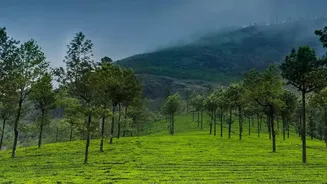
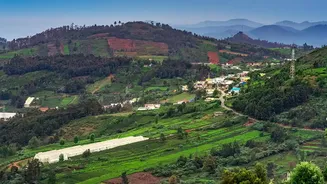
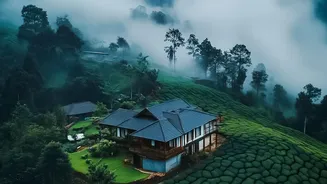
for a certain kind of traveller. The constant drizzle and occasional downpours transform the landscape into a vibrant, emerald paradise. Hillsides become lush, waterfalls like Abbey and Iruppu cascade with full force, and the air is thick with the scent of wet earth and fresh foliage. This period sees fewer tourists, which means less crowded viewpoints, more peaceful trails, and a general sense of tranquility that is often lost during the peak winter season. For those seeking to escape the noise of city life, the quiet rhythm of a rainy day in Coorg is the destination itself.
The Heart of the Homestay
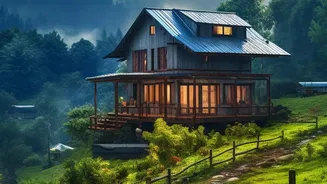
A crucial element of this experience is choosing a homestay over a conventional hotel or resort. Nestled within sprawling coffee plantations, these homestays offer more than just a place to sleep; they provide an immersion into the local Kodava way of life. Guests are often welcomed into a family home, sharing home-cooked meals and conversations with their hosts. This environment fosters a personal connection that is hard to find in a commercial establishment. Waking up to the sounds of the plantation, with views of mist-covered coffee bushes from your window, offers an authentic and grounding experience. It's a chance to understand the local culture, cuisine, and the life cycle of coffee from people who have cultivated it for generations.
Embracing the Pace of Slow Travel
The monsoon environment in a Coorg homestay is the perfect setting for slow travel—a philosophy that prioritises connection over checklists. Instead of rushing between sightseeing spots, the agenda is refreshingly simple: to be present. Days are spent reading on a covered verandah, taking leisurely walks through rain-washed coffee estates, and sipping endless cups of freshly brewed coffee. The rain encourages a slower, more deliberate pace of life. It's not about what you can 'do' in Coorg, but how Coorg makes you feel. It's a time for reflection, conversation, and reconnecting with nature and oneself. Activities are gentle and sensory, like bird watching, learning about spice cultivation on the estate, or simply listening to the sound of rain on the roof.
A Symphony for the Senses
A monsoon trip to a Coorg coffee estate is a feast for the senses. Visually, the landscape is a study in green, with mist weaving through the valleys and hills. The air carries a unique aromatherapy of petrichor—the smell of rain on dry earth—mixed with the fragrant notes of coffee blossoms and pepper vines. The soundtrack is a constant, soothing patter of rain, punctuated by the chirping of birds and the rustle of leaves. And then there is the taste. Savouring authentic, home-cooked Kodava dishes, known for their unique flavours, and drinking coffee sourced directly from the surrounding plants is an integral part of the experience. It’s a holistic form of travel that nourishes both body and soul.
The Coffee Connection
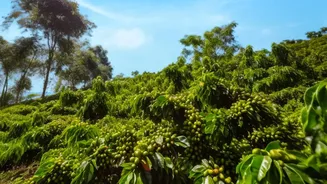
Staying on a coffee plantation provides an unparalleled opportunity to understand the journey of coffee from bean to cup. Many homestay owners and larger estates offer guided tours where you can walk through the plantations and learn about the cultivation of both Arabica and Robusta beans. You can witness how coffee is grown, harvested (though harvesting season is typically later), processed, and roasted. Some estates even offer 'Coffeeology' sessions where you can learn about different brewing techniques and taste various profiles. This connection to the source provides a deeper appreciation for the daily ritual of a morning cup, transforming it from a simple beverage into a story of the land and its people.