




Habit 1: Conduct a Pre-Monsoon Vehicle Check
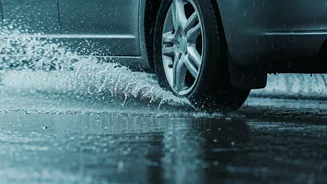
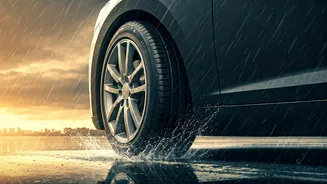
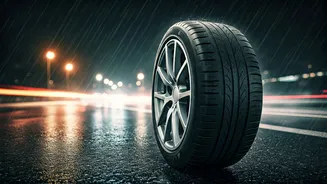
The most crucial habit is preparation. Before the heavy rains begin, get your vehicle monsoon-ready. Pay special attention to your tyres; they are your only connection to the road. Ensure they have a tread depth of at least 3 mm to effectively channel
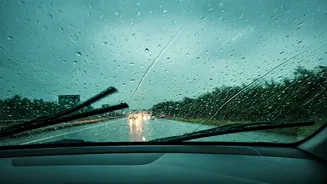
water and prevent aquaplaning. [16, 19] Check that they are inflated to the manufacturer's recommended pressure. [12, 16] Next, inspect your wiper blades for cracks or hardening and replace them if they leave streaks. [12, 19] Finally, test all your lights—headlights, tail lights, brake lights, and indicators—to ensure you can see and be seen. [8, 12] A clean bill of health for your car is the first step to a safe journey.
Habit 2: Master Your Speed and Following Distance
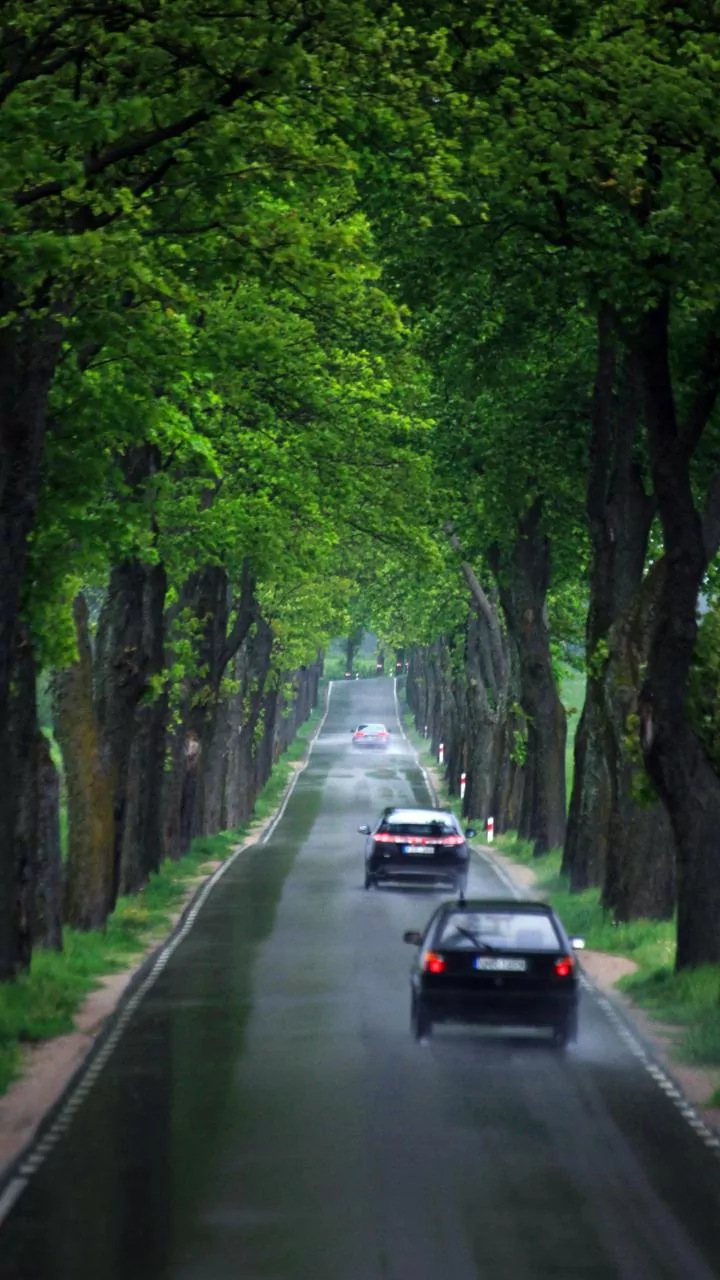
Wet roads dramatically increase braking distances. The single most effective habit you can adopt is to slow down. [10] Driving at a reduced speed, especially below 50 km/h during heavy downpours, gives you more time to react and helps your tyres maintain grip. [7] This must be paired with increasing your following distance. While a 3-second gap is standard in dry conditions, you should double it to at least 5-6 seconds in the rain. [21, 24] This buffer zone is your best defence against sudden stops and skids. Avoid sudden acceleration, braking, or sharp turns, as these can easily unsettle the car on a slippery surface. [16]
Habit 3: Know How to Handle Hydroplaning
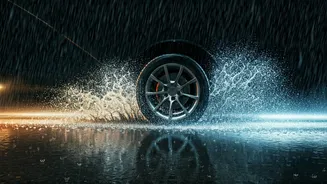
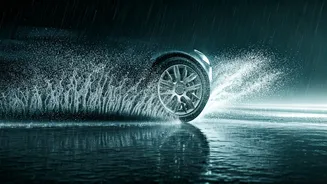
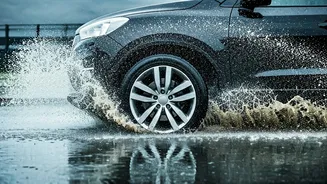
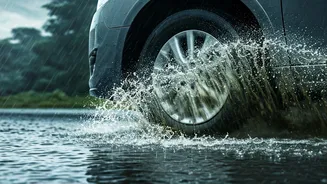
Hydroplaning, or aquaplaning, happens when a layer of water builds between your tyres and the road surface, causing a terrifying loss of control. [5, 7] It feels as if the car is floating. If this happens, your ingrained habit must be to not panic. [2, 4] Do not slam on the brakes or jerk the steering wheel. Instead, ease your foot off the accelerator pedal to allow the car to slow down naturally. [5, 9] Keep a firm grip on the steering wheel and steer gently in the direction you want to go. [2, 3] As the car slows, the tyres will reconnect with the road, and you will regain control. [2] The best way to handle hydroplaning is to prevent it by slowing down and avoiding standing water. [3, 5]
Habit 4: Use Your Lights Correctly for Visibility
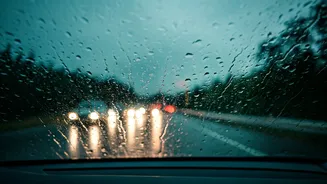
Poor visibility is a major hazard during the monsoon. A critical habit is to turn on your low-beam headlights, even during the daytime, to make yourself more visible to others. [10, 26] Using high beams can be counterproductive as the light reflects off the raindrops, causing glare that can blind both you and oncoming drivers. [7, 23] A common mistake in India is to drive with hazard lights on in heavy rain. [21, 24] This is dangerous as it can confuse other drivers, who won't know if you intend to turn or brake. [24] Hazard lights are only for when your vehicle is stationary and posing a hazard. [21, 24]
Habit 5: Navigate Waterlogged Roads with Extreme Caution
Waterlogged streets hide a multitude of dangers, from deep potholes to debris. [20] The best habit is avoidance. If you see a flooded road, turn around; it's not worth the risk. [13] It only takes about six inches of water to stall most cars, and a foot of water can float a vehicle, leaving you stranded. [17, 22] If you absolutely must proceed, do so one car at a time. Drive slowly in a low gear, keeping the engine revs high to prevent water from entering the exhaust pipe. [25] After exiting the water, gently tap your brakes a few times to dry them out and restore their effectiveness. [18, 16]
Habit 6: Keep a Monsoon Emergency Kit
Being prepared for the unexpected is a habit that pays dividends. Traffic jams and breakdowns are more common during the monsoon. [11] Keep your fuel tank topped up to avoid getting stranded in long snarls. [11] Assemble a simple emergency kit in your car that includes a high-visibility jacket, a torch, a first-aid kit, a tow rope, an umbrella, and a dry towel. [11, 15] Having some snacks and water on hand is also a wise precaution for long waits. [11] This small bit of preparation can turn a potential crisis into a manageable inconvenience.