






Your Gut Is a Bustling Ecosystem
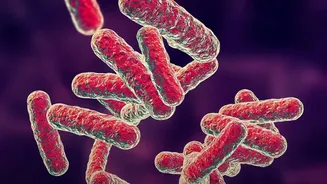
Your gut is home to trillions of microorganisms, collectively known as the gut microbiome. This complex community of bacteria, viruses, and fungi plays a crucial role in your health. It helps digest food, produces essential vitamins, regulates your immune
system, and even influences your mood. A diverse and balanced microbiome is a cornerstone of overall wellness. When this balance is thrown off—a state known as dysbiosis—it can contribute to digestive issues, inflammation, and an increased risk for chronic health conditions.
The Body's Master Clock
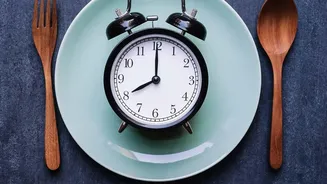
Everything in your body, from hormone release to digestion, runs on a 24-hour schedule known as the circadian rhythm. This internal master clock, located in the brain, is primarily synced by light and darkness. However, it's not the only clock. Nearly every cell and organ, including your gut, has its own local clock. These clocks work together to ensure your body’s processes run smoothly and efficiently. Recent studies have revealed that your gut microbes also have their own daily rhythm, which is heavily influenced by your eating patterns. This microbial clock helps manage digestion and metabolism in a predictable cycle.
When Schedules Clash: Sleep vs. Digestion
Problems arise when your lifestyle clashes with your internal clocks. Irregular sleep schedules, shift work, or even minor differences between your weekday and weekend sleep times—a phenomenon known as 'social jetlag'—can disrupt your circadian rhythm. This disruption doesn't just make you tired; it alters your gut microbiome. Studies show that even short-term sleep deprivation can reduce the diversity of beneficial bacteria. One study found that a sleep difference of just 90 minutes between workdays and free days was associated with having more harmful types of gut bacteria.
The Trouble with Late-Night Meals
Eating late at night sends a confusing signal to your gut. While your brain’s clock is winding down for sleep, your gut’s clock is being forced to ramp up for digestion. This mismatch can disrupt the natural rhythm of your microbiome. Research consistently links late-night eating habits with negative changes in gut bacteria. For instance, one pilot study found that people with late-night eating habits had a higher abundance of Erysipelotrichales, a type of bacteria associated with metabolic disorders. Other recent studies in 2026 have shown that combining a late sleep schedule with late eating poses the greatest metabolic risk, contributing to inflammation and a weakened intestinal barrier, sometimes called a 'leaky gut'.
The 'Double Hit' of Stress and Late Eating
The impact of poor timing is amplified by stress. A 2026 study found that individuals experiencing high levels of chronic stress who also ate a significant portion of their daily calories late at night were much more likely to report digestive issues like constipation and diarrhea. This combination appears to deliver a 'double hit' to the gut, disrupting bowel function and also reducing the diversity of the microbiome. The researchers suggest that stress magnifies the negative effects of eating at a time when your body expects to be resting and repairing.
How to Sync Your Gut for Better Health
The good news is that you can take practical steps to support your body's natural rhythms. The key is consistency. Try to go to bed and wake up around the same time every day, even on weekends, to stabilize your master clock. When it comes to meals, aim to eat on a regular schedule and finish your last meal a few hours before bedtime. This gives your digestive system ample time to work before the body's nightly repair cycle begins. This approach, sometimes called Time-Restricted Eating (TRE), has been shown to help restore the natural rhythms of the gut microbiota, promoting a healthier balance of bacteria.