




The Shifting Travel Calendar
For years, the Indian travel calendar was predictable. Summer meant escaping to the mountains, and winter was for exploring beaches or historical sites. The monsoon season, from roughly June to September, was often seen as a period to stay home. But this
is changing. A significant number of Indian travellers are now intentionally planning their getaways during these traditionally slower months, including the monsoon and the 'shoulder' periods just before and after the peak rush. Recent travel data shows a notable spike in hotel and flight bookings during these times, with some destinations seeing year-on-year growth of over 50%. This shift indicates that the off-season is no longer off-limits but is becoming a preferred window for those in the know.
The Rise of the Solo Traveller
At the heart of this trend is the rise of the solo traveller. A quest for self-discovery, a break from routine, and the pursuit of independence are fuelling this movement. This is particularly true for Indian women, who, thanks to growing financial independence and changing social norms, are increasingly planning and undertaking their own trips. One study revealed that solo travel among women has grown significantly, with many now designing and budgeting their own itineraries. The flexibility of remote work has also empowered many professionals to travel without being tied to traditional holiday schedules, making spontaneous, off-peak trips more feasible. As a result, the market for solo travel in India is projected to grow substantially, turning what was once a niche pursuit into a mainstream phenomenon.
The Undeniable Allure of the Off-Season
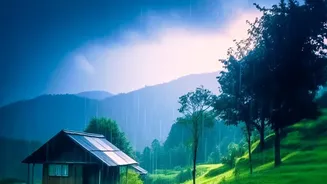
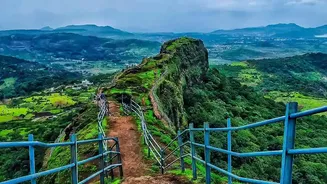
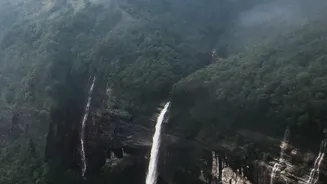
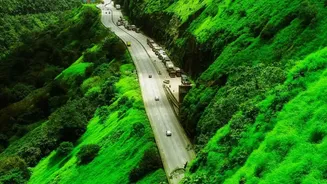
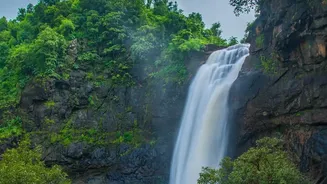
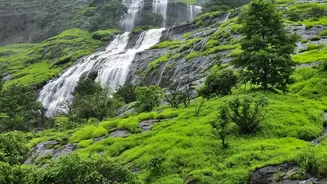
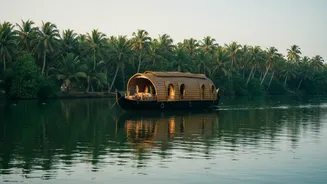
So, what makes the off-season so appealing? The most obvious benefit is the cost. Flights and accommodations are often significantly cheaper, sometimes by 20-50%, making travel more accessible. Beyond the budget, the experience itself is transformed. Popular destinations are less crowded, allowing for a more relaxed and authentic visit. Imagine exploring the majestic forts of Rajasthan or the serene backwaters of Kerala without the usual throngs of tourists. This quieter atmosphere often leads to more meaningful interactions with locals and a deeper connection to the place. The landscape also offers unique beauty; the monsoon turns destinations like Goa and the Western Ghats into lush, green paradises, with waterfalls at their most spectacular.
Where to Go When It's 'Off-Season'
The new travel map of India is diverse and exciting during the shoulder and monsoon months. While once avoided, the monsoon now sees travellers flocking to places like Goa and Kerala for their verdant beauty. Hill stations in the south, such as Munnar, Wayanad, and Coorg, have seen a massive boom in monsoon bookings, with some reporting growth of over 100%. The Northeast is also emerging as a major hotspot, with Nagaland and Arunachal Pradesh recording dramatic increases in flight and hotel bookings as travellers seek immersive nature experiences. For those preferring the shoulder months of spring (February-April) or post-monsoon autumn (September-November), destinations like Hampi, Rishikesh, and Darjeeling offer pleasant weather without the peak-season rush.
Embracing the Solo Off-Peak Journey
Travelling solo during the off-season can be an incredibly rewarding experience, but it pays to be prepared. While the weather can be unpredictable, a little flexibility goes a long way. Safety remains a priority, especially for female travellers, but the growth of women-centric travel companies and better connectivity have made solo journeys more accessible than ever. The key is to embrace the unique opportunities the season offers. Enjoy the serenity of a rain-washed beach in Goa, take a leisurely trek through the misty hills of Munnar, or explore ancient ruins in Hampi at your own pace. It's a chance to trade crowded tourist traps for quiet contemplation and authentic discovery, proving that sometimes the best time to travel is when everyone else stays home.