


Shared Rivers, Shared Risk
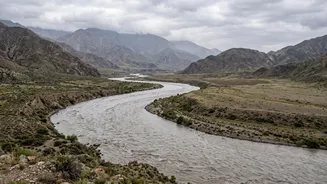
The primary reason for India's preparedness lies in its shared Himalayan river systems with Nepal. Many of Nepal's major rivers, which originate in the high mountains, flow south into the Gangetic plains of India. The recent crisis focuses on the Gandak
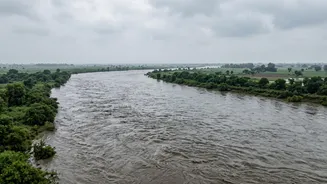
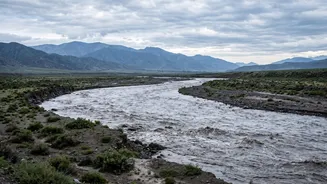
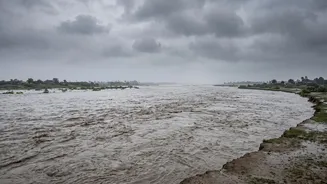
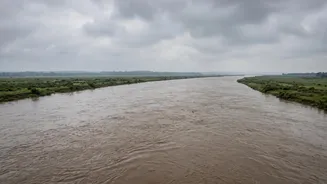
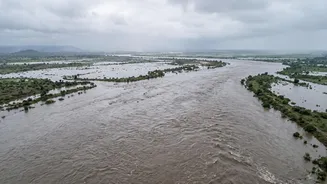
river, known as the Narayani in Nepal. On August 26, 2026, a devastating flash flood, suspected to be a Glacial Lake Outburst Flood (GLOF) from the Tibet-Nepal border region, sent a massive surge of water down the Bhote Koshi and Trishuli rivers. These rivers are major tributaries of the Gandak. As this enormous volume of water travels downstream, it inevitably crosses the border, posing a direct threat to low-lying areas in northern Bihar and parts of eastern Uttar Pradesh. It's a simple, yet dangerous, matter of hydrology: the water that floods Nepal today will become India's problem tomorrow.
The Early Warning Mechanism
India doesn't wait for the water to arrive. A robust, albeit constantly tested, early warning system exists between the two nations. Indian bodies like the Central Water Commission (CWC) and state authorities continuously monitor rainfall data and river levels in Nepal's upper catchment areas. Following the recent disaster, information about the flash flood in Nepal, approximately 160 km from the Indian border, was quickly relayed, triggering an immediate response. This information sharing, sometimes formalised in treaties and at other times conducted through real-time operational contact, gives Indian authorities a crucial head start of several hours to a day to prepare for the incoming floodwaters. This window is critical for mobilising resources and alerting vulnerable populations.
From Alert to Action on the Ground
Once an alert is issued, a multi-agency response kicks into gear. The Union Home Minister has been in contact with the Chief Ministers of Bihar and Uttar Pradesh, assuring central support. On the ground, this translates into several concrete actions. The National Disaster Response Force (NDRF) has deployed over 20 teams across the two states, pre-positioning them in vulnerable districts like West Champaran, Muzaffarpur, and Kushinagar. The Sashastra Seema Bal (SSB), which guards the border, has also activated its rescue and relief teams. District administrations have been instructed to conduct round-the-clock surveillance of river embankments and use public address systems to warn villagers in low-lying areas, in some cases urging them to move to safer ground.
Engineering a Defence
Beyond evacuations and rescue teams, a key part of the preparation is water management infrastructure. The Gandak Barrage at Valmikinagar in Bihar's West Champaran district is a critical flood-control structure. In response to the incoming flood surge from Nepal, authorities took the pre-emptive step of opening all 36 gates of the barrage. This carefully managed operation is designed to allow the massive volume of water to pass through safely, reducing pressure on the embankments and mitigating the scale of flooding in the plains downstream. While the discharge of over 1.5 lakh cusecs is significant, the timely action prevents a much worse catastrophe. It is a calculated move to manage the river's fury rather than simply be overwhelmed by it.
A Cycle of Cooperation and Climate Change
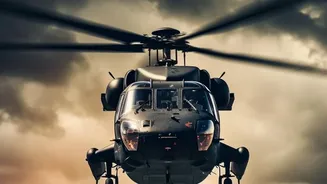
While India prepares for the downstream impact, it also provides upstream assistance. The Indian government has extended humanitarian aid and disaster relief to Nepal, dispatching Indian Air Force aircraft with emergency supplies. This cooperation is vital, as climate change is increasing the frequency and intensity of such events in the fragile Himalayan region. The melting glaciers and changing weather patterns mean that GLOFs and flash floods are becoming a more significant threat. This annual ritual of preparedness is therefore not just about managing a single flood; it's about adapting to a new, more volatile reality where cross-border cooperation and swift, data-driven action are essential for protecting lives on both sides of the border.