




A Taste of Home in Zero Gravity
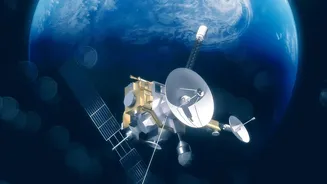
India's ambitious human spaceflight program, Gaganyaan, is set to launch in the coming years, marking a new era for the nation's presence in space. But beyond the rocketry and orbital mechanics lies a deeply human question: what will the astronauts eat?
For long-duration missions, food is more than just fuel; it's a crucial link to home, a source of comfort, and vital for psychological well-being. Recognising this, Indian scientists have embarked on a mission of their own: to create a space menu that is both nutritious and deeply familiar.
Hyderabad Leads the Culinary Charge
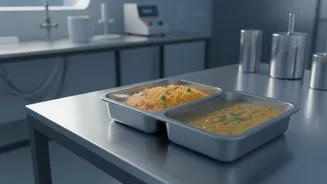
At the forefront of this effort is the Hyderabad-based ICMR-National Institute of Nutrition (NIN). Scientists at NIN are meticulously developing and testing space-friendly versions of beloved Indian dishes. This initiative complements the work done by the Defence Food Research Laboratory (DFRL) in Mysuru, which has also created an extensive menu of ready-to-eat meals for India's spacefarers. The Hyderabad team is specifically focused on creating formulations that can withstand the harsh conditions of microgravity while delivering complete nutrition.
What’s on the Interstellar Menu?
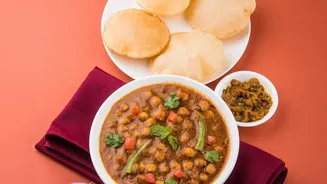
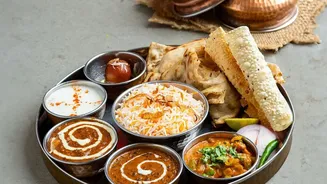
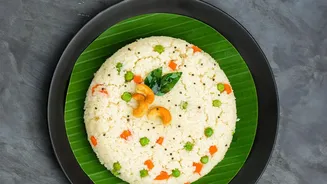
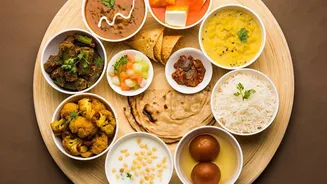
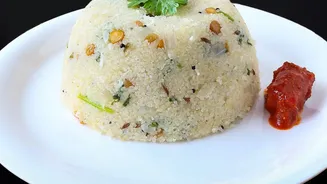
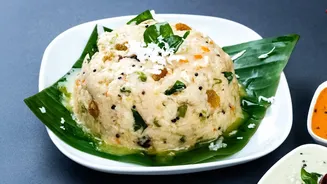
The menu being developed is a delightful mix of comfort foods from across India. Astronauts can look forward to dishes like khichdi, mutton rolls, chicken nuggets, and fruit purée developed by the NIN in Hyderabad. The broader menu, developed in collaboration with DFRL, includes a wide array of over 30 dishes such as idli, upma, biryani, vegetable pulav, dal curry, chapati, and even desserts like moong dal halwa and sooji halwa. These meals are designed to be less spicy, with optional spice sachets for those who prefer an extra kick.
The Science of Space-Age Cooking
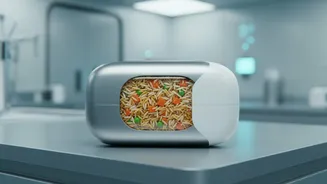
Making food safe and palatable for space is a significant scientific challenge. The meals must have a long shelf life, be easy to consume in zero gravity, and retain their nutritional value. The primary technology used is retort processing, a sophisticated method of sterilisation where food is sealed in pouches and heated under pressure to eliminate microorganisms. This ensures the food is shelf-stable without needing refrigeration or preservatives. The food is prepared in semi-solid, ready-to-eat, or dehydrated forms that can be easily reconstituted with water. Special packaging is also designed to prevent food particles from floating away and contaminating the spacecraft's environment.
More Than Just a Meal
The diet is carefully balanced to meet the unique physiological demands of spaceflight. Meals are rich in micronutrients, antioxidants, and Vitamin D, with controlled sodium and fibre levels to maintain astronaut health. To perfect these formulations, scientists are conducting rigorous tests, including microgravity simulation studies where participants remain in a head-down bed-rest position for weeks to mimic the effects of space on the human body. This intensive research ensures that every meal is not just tasty but also perfectly optimised for the health and performance of the crew members as they represent India on the final frontier.