







Understanding Pet Digital IDs
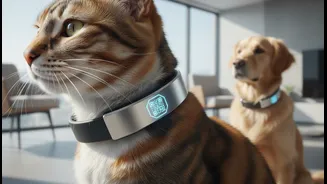
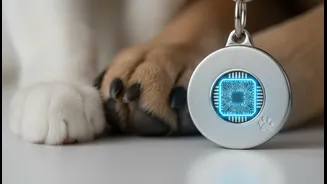
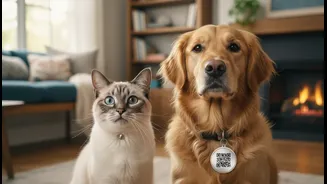
A pet digital ID creates a unique, scannable identity for your animal that links to an online profile. There are two primary forms: the QR code tag and the microchip. A QR code tag is a physical tag for your pet's collar with a unique code. Anyone who
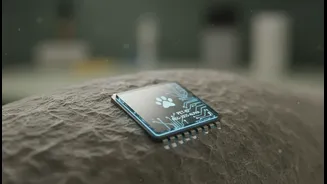
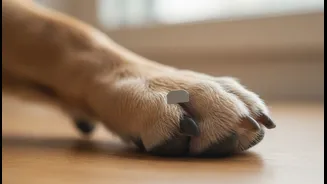
finds your lost pet can scan this code with their smartphone to access a profile you've created, which can include your contact details, your pet's medical needs, and even a backup contact. The information can be updated anytime, which is a major advantage over static, engraved tags. A microchip is a tiny, rice-sized transponder that a veterinarian injects under the pet's skin, typically between the shoulder blades. This chip has a unique number that, when scanned by a vet or shelter, links to a national database containing your registered contact information.
Why Traditional Tags Aren't Enough
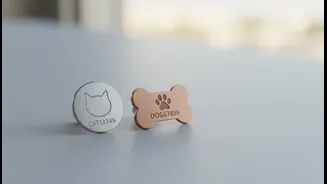
Traditional engraved metal tags have long been the standard, but they have significant limitations. Collars can break or be removed, and the tags themselves can fall off, get scratched, or become unreadable. Furthermore, the information on them is permanent; if you move or change your phone number, the tag becomes useless unless you replace it. Digital IDs solve this by allowing you to update your contact information online instantly, even after your pet has gone missing, ensuring finders can always reach you.
The Case for Registering Beyond Dogs
In India, municipal registration is often focused on dogs, partly due to public safety regulations concerning rabies vaccinations. However, cats, birds, and other companion animals are just as much a part of the family and equally at risk of getting lost. Expanding the practice of registration to all pets is a crucial step for animal welfare. A digital ID works for any type of pet. A registered identity, whether through a municipal license or a digital ID service, provides proof of ownership, which is invaluable in a dispute or if your pet is found and taken to a shelter. It ensures that a lost cat is just as likely to be returned as a lost dog.
How to Get a Digital ID for Your Pet
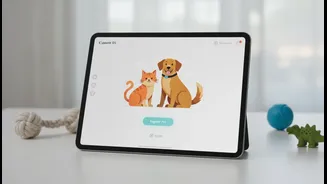
Getting a digital ID is a straightforward process. For microchipping, you'll need to visit your veterinarian. The procedure is quick, safe, and relatively inexpensive, often costing between ₹500 and ₹2,000. Once the chip is implanted, you must register the unique number in a pet recovery database and, crucially, keep your contact details updated. QR code tags are even more accessible. Numerous Indian companies offer them online. You purchase a tag, create a free online profile for your pet, and link it to the tag's QR code. This profile can hold much more information than an engraved tag, including photos, medical history, and dietary needs. For ultimate protection, many experts recommend using both a microchip and a QR code tag.
What Happens When Your Pet Is Found
The true value of a digital ID becomes clear when a lost pet is found. If your pet has a QR tag, any person with a smartphone can scan it and immediately see the contact information you've provided. Many services will also send you an alert with the GPS location of where the scan occurred. This turns any Good Samaritan into a direct line back to you, dramatically speeding up the reunion. If your pet is taken to a vet or a shelter, they will scan for a microchip. The scanner reveals the unique ID number, which they use to look up your details in the registry and contact you. This system creates a reliable safety net that works across the country.